Setting the Stage: A Sonic Revolution in Motion
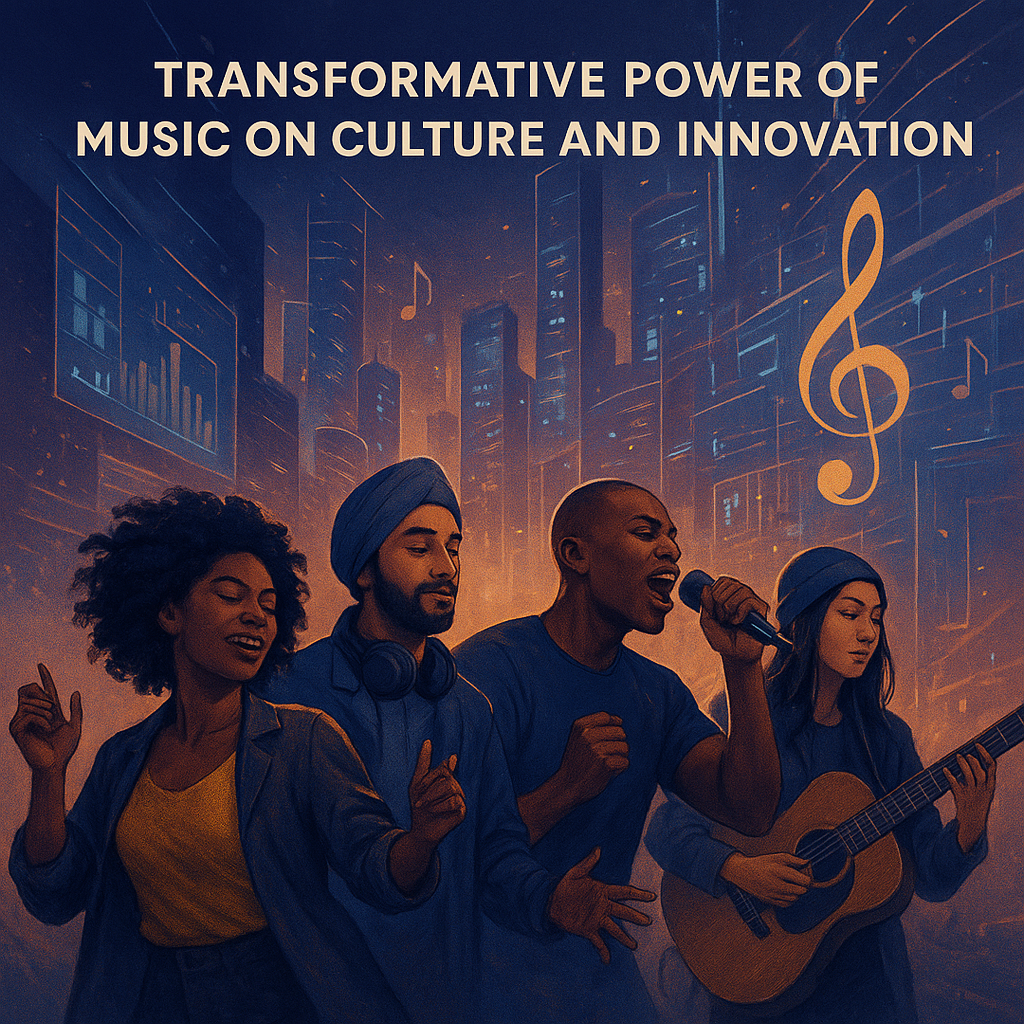
Imagine stepping into a bustling urban square in late 2026. Around you, a diverse crowd listens intently, each person’s audio experience uniquely tailored by AI-curated soundscapes. Some enjoy immersive 3D audio streaming through lightweight earbuds, others engage with interactive music blending real-time data inputs from city sounds, weather, and their biometric feedback. This scene reflects a profound transformation in how music is created, consumed, and understood—a revolution unfolding quietly but relentlessly across the globe.
Music today is no longer simply an art form; it is a dynamic ecosystem that intersects with cutting-edge technology, cultural shifts, and economic innovation. According to Statista, global music revenue topped $86 billion in 2025, with streaming accounting for nearly 75% of that. The rise of AI-generated compositions, immersive audio formats, and decentralized music platforms is challenging traditional paradigms. As we explore these changes, it becomes clear that music is not only shaping entertainment but also driving innovation and cultural connectivity worldwide.
“Music's evolution in the 2020s reflects a broader societal shift towards personalization, interactivity, and technological symbiosis.” — Dr. Elena Morozova, Ethnomusicologist
Tracing the Roots: From Analog to Algorithm
The journey to 2026’s music landscape is one of technological milestones and cultural recalibrations. The late 20th century brought the democratization of music production through affordable digital tools, while the 2010s saw streaming platforms dominate consumption habits. However, the transition from mere digitization to intelligent automation began in the early 2020s with advances in machine learning and neural networks applied to sound.
Historically, music production was the domain of skilled artists and producers working with physical instruments and analog equipment. The digital revolution introduced software synths, digital audio workstations (DAWs), and online collaboration, which broadened access. By 2020, AI-assisted composition tools like OpenAI’s Jukebox and Google’s Magenta had moved from experimental curiosities to practical aids in songwriting and sound design.
This progression was accompanied by shifts in audience engagement. Live concerts evolved with virtual and augmented reality, while platforms like Spotify and Apple Music refined recommendation algorithms to capture listener preferences. The 2020s accelerated these trends, with immersive audio technologies such as Dolby Atmos and Sony 360 Reality Audio delivering spatial sound experiences that redefined how listeners connect with music.
“The past decade’s technological advances have blurred the line between creator and consumer, ushering in a new participatory era for music.” — Marcus Chen, Music Technology Analyst
Decoding 2026: Data-Driven Insights Into Music’s New Frontier
The current music ecosystem in 2026 is characterized by an intricate interplay of AI, blockchain, and immersive media. Industry reports highlight several key metrics shaping today’s scene:
- AI-Generated Music Market Growth: Estimated to reach $4.7 billion in 2026, growing at a CAGR of 28%, driven by demand for personalized soundtracks and commercial content.
- Spatial Audio Adoption: Over 60% of premium streaming subscribers utilize immersive audio formats, enhancing listener engagement and time spent.
- Decentralized Music Platforms: Platforms leveraging blockchain for royalty distribution have onboarded 15 million artists globally, increasing transparency and revenue fairness.
Comparatively, the traditional music production and distribution model is shrinking in relative share as new entrants disrupt with innovative business models. For example, AI composers assist musicians by generating chord progressions and lyrics, speeding up the creative process. Meanwhile, blockchain-based platforms enable direct artist-to-fan transactions, bypassing intermediaries and reducing costs.
Moreover, data analytics is now integral to music strategy. Labels and independent artists use listener data to tailor releases, tour locations, and marketing campaigns. This granular understanding of consumer behavior is unprecedented, fueling targeted fan experiences and niche market exploitation.
Breaking Ground: 2026’s Defining Music Industry Developments
This year has brought several notable breakthroughs that illuminate music’s forward trajectory. The launch of Harmonix AI Suite, a platform combining AI-assisted composition with real-time collaborative tools, has empowered creators worldwide. Its usage statistics show over 2 million active users within six months, spanning genres from classical to electronic.
Another development is the integration of biometric feedback in music experiences. Devices now monitor heart rate, brain activity, and emotional states, dynamically adjusting playlists or live performances to optimize mood and engagement. This fusion of neuroscience and music technology is fostering new therapeutic applications, including stress relief and cognitive enhancement.
On the business front, major record labels have embraced NFTs (non-fungible tokens) not just as collectibles but as access tokens for exclusive content and experiences. This strategy has opened new revenue streams and deepened fan loyalty. Simultaneously, decentralized autonomous organizations (DAOs) dedicated to music governance are gaining traction, giving artists more influence over rights management and platform policies.
Socially, global music festivals have hybridized physical and virtual attendance, expanding reach while reducing environmental impact. The use of holographic performances and AI-generated visuals creates immersive atmospheres that engage audiences beyond traditional concert formats.
These innovations reflect music’s expanding role beyond entertainment into health, community building, and digital culture—a theme explored in TheOmniBuzz’s article How Music Continues to Shape Culture, Technology, and Human Connection.
Voices of Authority: Expert Perspectives on Music’s Evolution
Industry leaders and scholars agree that music’s future hinges on balancing technology with human creativity. Dr. Amina Patel, CEO of SoundWave Innovations, emphasizes that “AI should augment, not replace, artistic expression. The best outcomes arise when machines handle repetitive tasks, freeing artists to innovate.”
Similarly, cultural theorist Prof. Luis Martínez argues that music’s global fusion is a byproduct of digital connectivity, stating, “Cross-cultural collaborations facilitated by technology are creating hybrid genres that reflect 21st-century identities more authentically than ever.”
From a business standpoint, executives highlight the imperative of equitable revenue models. Sarah Kim, Head of Artist Relations at a leading blockchain music platform, notes, “Transparency and fair compensation are no longer optional; they are demanded by a new generation of artists and fans.”
“The intersection of AI, blockchain, and immersive tech is not merely a technical evolution but a cultural and economic revolution in music.” — Prof. Luis Martínez
“Artists empowered by technology are reshaping what it means to create and share music in an interconnected world.” — Dr. Amina Patel
Looking Ahead: What Music’s Future Holds
As we gaze toward the next decade, several trends warrant close attention. First, the rise of hyper-personalized music experiences will continue, leveraging AI to tailor every note to individual tastes and contexts. Expect more smart environments where soundscapes adapt seamlessly to users’ activities and moods.
Second, decentralized platforms may redefine the music industry’s power structures. By distributing control and revenue among creators and communities, these ecosystems promise more democratic and sustainable models.
Third, the convergence of music with health and wellness technologies is poised to deepen. Research into music’s impact on neuroplasticity and emotional regulation will spawn new therapeutic applications, integrating sound as a core element of healthcare.
Finally, immersive audio and virtual reality will become standard mediums for experiencing music, not just novelties. This shift will demand new creative skills and production approaches from artists and engineers alike.
For musicians eager to thrive in this evolving landscape, mastering emerging technologies and understanding audience data will be crucial, as discussed in Mastering Music: Essential Expert Tips to Elevate Your Sound. Fans, meanwhile, can look forward to richer, more interactive, and emotionally resonant musical journeys.
- Adoption of AI tools for co-creation and production will increase globally.
- Blockchain will underpin rights management and artist compensation.
- Immersive and adaptive audio formats will dominate streaming platforms.
- Music’s role in health and cognitive enhancement will expand.
- Hybrid live-virtual performances will become mainstream entertainment.
In sum, music in 2026 is a nexus of tradition and innovation, creativity and computation, culture and commerce. Its ongoing transformation offers both challenges and unprecedented opportunities for artists, industry stakeholders, and listeners alike.
For further insights into music’s cultural significance alongside technological change, see TheOmniBuzz’s exploration in Why Music Remains the Heartbeat of Innovation and Culture.