
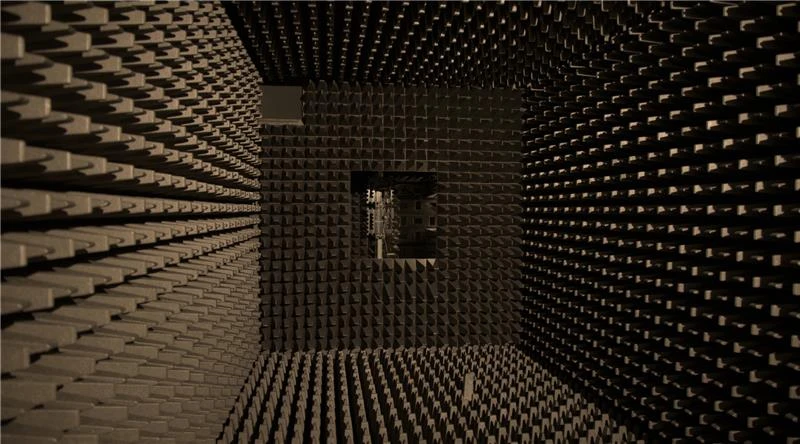
As wireless technologies continue to evolve in 2026, the demand for accurate, interference-free testing environments has never been higher. From 5G and IoT devices to automotive radar and aerospace systems, reliable RF performance is critical. This is where anechoic chamber design plays a vital role.
Choosing the right chamber is no longer just a technical decision it directly impacts testing accuracy, compliance, and product success. With growing complexity in wireless systems, organizations must carefully evaluate their requirements before investing in a solution.
Key Takeaways
- Anechoic chambers are essential for precise RF and wireless testing
- The right design depends on application, frequency range, and space constraints
- Modern testing needs demand flexibility, scalability, and accuracy
- Understanding chamber types and features helps avoid costly mistakes
- Strategic selection improves long-term testing efficiency and reliability
Understanding the Purpose of Anechoic Chambers
An anechoic chamber is a specialized environment designed to eliminate reflections and external electromagnetic interference. It simulates free-space conditions, allowing engineers to test antennas, wireless devices, and electronic systems with high accuracy.
In modern telecom and electronics industries, testing requirements have become more demanding. Devices operate across multiple frequency bands, and performance expectations are higher than ever. This makes selecting the right anechoic chamber design a crucial step in ensuring reliable results.
Organizations that overlook proper design considerations often face inconsistent measurements, compliance issues, and increased operational costs.
Types of Anechoic Chamber Designs
Before selecting a solution, it is important to understand the different types of chambers available. Each design serves a specific purpose depending on testing requirements.
Full Anechoic Chambers
These chambers have absorber materials on all surfaces, including the floor. They are ideal for antenna testing and high-frequency measurements where reflections must be minimized completely.
Semi-Anechoic Chambers
In this setup, the floor is reflective while walls and ceilings are treated with absorbers. This design is commonly used for EMI/EMC testing and large equipment evaluations.
Compact Ranges
Compact antenna test ranges are designed for far-field testing in limited spaces. They use reflectors to simulate long-distance conditions within a smaller chamber.
Reverberation Chambers
Unlike anechoic chambers, these environments create controlled reflections and are used for specific electromagnetic compatibility tests.
Choosing the right type depends on the application, available space, and testing standards required.
Key Factors to Consider When Choosing the Right Design
Selecting the ideal chamber involves more than just picking a type. Several technical and operational factors must be evaluated.
Frequency Range
The operating frequency of your device determines the absorber type and chamber size. Higher frequencies require specialized materials and tighter design tolerances.
Size and Space Requirements
The physical size of the chamber should accommodate the device under test (DUT) and testing equipment. Future scalability should also be considered to avoid redesign costs later.
Testing Application
Different applications require different setups. For example, antenna radiation pattern testing demands a different configuration compared to EMC compliance testing.
Shielding Effectiveness
Proper shielding ensures external signals do not interfere with test results. This is especially critical in urban or high-interference environments.
Compliance Standards
Ensure the chamber meets relevant industry standards such as ISO, IEC, or 3GPP guidelines. Compliance is essential for product certification and market entry.
A well-planned anechoic chamber design aligns all these factors to deliver consistent and accurate testing outcomes.
Common Challenges in Anechoic Chamber Selection
Despite its importance, selecting the right chamber comes with several challenges.
One major issue is underestimating future requirements. Many organizations design chambers based only on current needs, which can limit scalability as technologies evolve.
Another challenge is balancing cost and performance. High-quality absorbers and shielding materials can increase initial investment, but compromising on them may lead to inaccurate results.
Space constraints also play a significant role, especially in urban labs where expanding infrastructure is not always feasible.
Additionally, integrating advanced testing systems such as OTA setups and automated measurement tools requires careful planning during the design phase.
Benefits of Choosing the Right Anechoic Chamber Design
Making the right choice delivers long-term advantages for testing operations.
Accurate Measurements
A properly designed chamber minimizes reflections and interference, ensuring precise and repeatable results.
Improved Compliance
Meeting global standards becomes easier, reducing the risk of product rejection during certification.
Operational Efficiency
Optimized layouts and automation support faster testing cycles and higher productivity.
Future Readiness
Scalable designs allow organizations to adapt to emerging technologies like 6G, AI-driven networks, and advanced IoT systems.
Ultimately, the right anechoic chamber design becomes a strategic asset rather than just a testing facility.
Best Practices for Selecting and Implementing the Right Solution
To make an informed decision, organizations should follow a structured approach.
Start by clearly defining testing objectives and performance requirements. This helps narrow down the design options.
Collaborate with experienced solution providers who understand RF testing environments and industry standards.
Conduct feasibility studies to evaluate space, budget, and technical constraints before finalizing the design.
Invest in high-quality absorber materials and shielding systems to ensure long-term reliability.
Plan for integration with automated testing systems and future upgrades. This ensures the chamber remains relevant as technology evolves.
Finally, validate the chamber after installation through calibration and performance testing to confirm it meets expected standards.
Frequently Asked Questions
1. What is an anechoic chamber used for?
An anechoic chamber is used to test antennas, wireless devices, and electronic systems in a controlled environment free from reflections and external interference. It ensures accurate RF and electromagnetic measurements.
2. How do I choose the right anechoic chamber size?
The size depends on the device under test, frequency range, and testing method. Larger devices and lower frequencies typically require bigger chambers to maintain accurate measurement conditions.
3. What is the difference between full and semi-anechoic chambers?
Full anechoic chambers absorb reflections from all surfaces, while semi-anechoic chambers have a reflective floor. The choice depends on whether the application is antenna testing or EMC testing.
4. Why is shielding important in anechoic chambers?
Shielding prevents external electromagnetic signals from entering the chamber, ensuring that test results are accurate and not affected by outside interference.
5. Can anechoic chambers support future technologies like 6G?
Yes, if designed with scalability in mind. Modern chambers can be upgraded with new absorber materials and testing systems to support emerging technologies.
Ready to Upgrade Your Testing Environment with the Right Design?
Selecting the right chamber is a critical step toward achieving accurate, reliable, and future-ready testing. As wireless technologies continue to advance, investing in a well-planned solution ensures long-term efficiency and performance.
Organizations looking to enhance their RF testing capabilities can benefit from working with experienced providers who understand both current and emerging requirements. Orbis Systems offers advanced solutions in RF testing and anechoic chamber design, helping businesses build reliable, scalable, and high-performance testing environments tailored to their needs.