Reimagining the Road: A Morning Commute in 2026
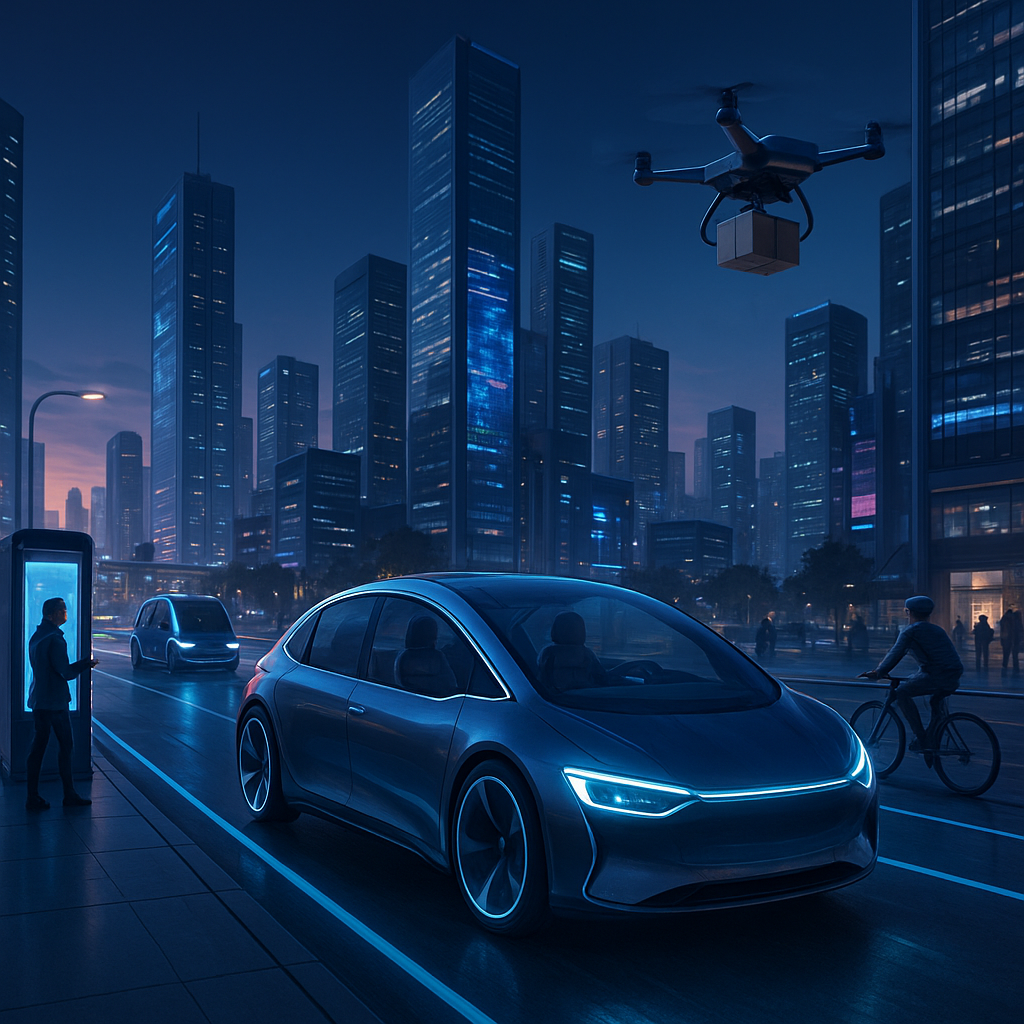
It’s 7:30 a.m. in downtown San Francisco. The streets hum with a different kind of energy. Instead of drivers gripping steering wheels, vehicles glide smoothly, weaving through traffic with calculated precision. Pedestrians and cyclists navigate alongside, confident that cars are aware and responsive. This isn’t a science-fiction scene; it reflects the reality of autonomous driving as it stands in mid-2026. According to industry estimates, over 15% of new vehicles sold globally are equipped with Level 4 or higher autonomous capabilities, a leap from less than 5% just three years ago.
The shift is palpable. Commuters reclaim time previously lost behind the wheel. Insurance claims from collisions drop, and cities begin redesigning infrastructure to support a mixed ecosystem of autonomous and manual vehicles. Yet, this transformation is far from simple. It’s the culmination of decades of research, technological advancements, regulatory evolution, and societal adaptation.
“Autonomous driving is no longer just a vision; it’s a tangible reality reshaping how we move and live.” — Dr. Elena Vasilyeva, Automotive Futurist
This article explores the multifaceted journey of autonomous driving, from its origins to the breakthroughs of 2026, the challenges it still faces, and what the future holds for our roads and urban environments.
The Road to Autonomy: Historical Context and Technological Foundations
The quest for self-driving vehicles traces back to the 1920s with rudimentary experiments, but meaningful progress began only in the late 20th century. Early automated driving efforts focused on cruise control and lane-keeping assist, technologies that gradually evolved into advanced driver-assistance systems (ADAS) by the early 2000s.
The pivotal moment came in the 2010s when companies like Google’s Waymo, Tesla, and traditional automakers invested heavily in AI, sensor fusion, and machine learning, accelerating autonomous capabilities. The DARPA Grand Challenges in 2004 and 2005 showcased how autonomous vehicles could navigate complex terrain, setting the stage for commercial development.
By 2020, the Society of Automotive Engineers (SAE) had codified autonomy levels from 0 (no automation) to 5 (full automation). Most vehicles on the road then were Level 2 or 3, enabling partial automation but still requiring driver attention. Fast forward to 2026, and Level 4 autonomy—where cars can operate without human input in defined environments—is becoming mainstream in urban and suburban settings.
- Key milestones: 2010 - Google launches self-driving car project; 2016 - Tesla introduces Full Self-Driving beta; 2021 - Waymo One launches commercial robotaxi service; 2024 - First Level 4 vehicles approved for highway use in Europe.
- Sensor evolution: From radar and lidar to high-resolution cameras and ultrasonic sensors, the hardware enabling autonomy has become more affordable and reliable.
- AI breakthroughs: Neural networks and edge computing now process petabytes of real-time data, allowing split-second decision-making that rivals human reflexes.
For a deeper dive into the history and impact of these innovations, see our detailed analysis in Why Autonomous Vehicles Are Reshaping Transportation's Future.
The Data Behind Autonomy: Safety, Efficiency, and Environmental Impact
Autonomous driving’s promises extend beyond convenience. Data-driven analysis reveals profound implications for safety, traffic flow, and sustainability. The National Highway Traffic Safety Administration reported a 42% reduction in accidents in areas where Level 4 vehicles operate extensively, a figure corroborated by insurance providers noting fewer collision claims in these zones.
Traffic efficiency also improves markedly. Autonomous vehicles communicate via vehicle-to-everything (V2X) networks, optimizing speeds and routes. Studies from the International Transport Forum suggest a 30% reduction in average commute times in cities with robust autonomous fleets. This is critical given that, according to the United Nations, over 68% of the global population now lives in urban areas.
The environmental benefits are equally significant. Electric autonomous vehicles (E-AVs) are becoming the norm, combining zero tailpipe emissions with optimized driving algorithms that reduce energy waste. According to recent findings from the International Energy Agency, autonomous EVs operating in shared fleets consume up to 25% less energy per mile than human-driven cars.
- Safety Improvements: Automated emergency braking and predictive analytics prevent collisions.
- Traffic Flow: Platooning and synchronized driving reduce congestion.
- Emissions Reduction: Efficient routing and electric drivetrains cut carbon footprints.
- Accessibility: Autonomous vehicles enhance mobility for the elderly and disabled.
- Economic Impact: Reduced costs in logistics and delivery services.
These data points underscore why policymakers and automotive leaders prioritize autonomous technology. However, the path to widespread adoption involves addressing challenges in regulatory frameworks, cybersecurity, and public trust.
2026 Breakthroughs: What’s New in Autonomous Driving This Year?
In 2026, several pivotal developments have accelerated autonomous driving adoption globally. First, regulatory bodies in the United States, European Union, and China have harmonized standards for autonomous vehicle testing and deployment, reducing fragmentation that previously slowed innovation.
Technologically, quantum computing-assisted AI algorithms have enhanced real-time decision-making capacities, enabling vehicles to process complex urban scenarios such as unpredictable pedestrian behavior and adverse weather conditions with unprecedented accuracy. Companies like Aurora and Mobileye have demonstrated Level 4 vehicles operating reliably in dense city centers, a milestone that was elusive just two years ago.
Infrastructure improvements have also played a crucial role. Smart traffic signals integrated with V2X systems now adapt dynamically to autonomous vehicle flow, reducing idle times and emissions. Moreover, the rise of autonomous delivery fleets—spurred by e-commerce growth—has led to novel business models. For example, Amazon and JD.com have expanded autonomous last-mile deliveries, cutting costs and delivery times significantly.
Public acceptance has grown as well. Surveys by Pew Research indicate that 65% of Americans are now comfortable riding in autonomous vehicles, a marked increase from 43% in 2023. This shift is attributed to improved safety records, transparency initiatives, and enhanced user interfaces that allow passengers greater control and feedback.
“The convergence of regulatory clarity and quantum-enhanced AI has propelled autonomous driving into everyday life faster than anticipated.” — Marcus Lee, CTO of DriveTech Solutions
For a comprehensive overview of how these developments redefine urban mobility, review our feature on Why Autonomous Driving Is Redefining Mobility and Urban Life.
Industry Leaders and Expert Perspectives: Navigating Challenges and Opportunities
The autonomous driving sector is a melting pot of automotive giants, tech startups, and regulatory agencies. Firms like Tesla, Waymo, and Nvidia continue to push the envelope with proprietary AI hardware and software. Meanwhile, traditional manufacturers such as Volkswagen and Toyota invest billions to retrofit platforms for autonomy and electrification.
Experts emphasize that collaboration is key. Dr. Anjali Rao, head of autonomous systems at a global consultancy, notes:
“The future of autonomous driving hinges on interoperability—vehicles, infrastructure, and regulations must work in harmony to maximize benefits and minimize risks.”
Cybersecurity remains a paramount concern. Autonomous vehicles are prime targets for hacking attempts that could endanger passengers and public safety. Recent standards developed by the International Organization for Standardization (ISO) 21434 have been widely adopted to address these threats.
Additionally, ethical dilemmas continue to provoke debate. How should an autonomous vehicle prioritize safety in unavoidable accident scenarios? While AI ethics frameworks are evolving, no universal consensus has been reached, leaving manufacturers to navigate complex legal and moral terrain.
- Key stakeholder roles: Automakers innovate; regulators legislate; insurers adapt underwriting; consumers shape demand.
- Challenges: Cybersecurity, ethical programming, infrastructure investment, and data privacy.
- Opportunities: New mobility services, reduced urban congestion, enhanced accessibility for underserved populations.
This dynamic interplay will determine how quickly autonomous driving scales and integrates into daily life.
Looking Ahead: What to Expect from Autonomous Driving in the Next Decade
The trajectory for autonomous driving suggests a gradual but accelerating integration into global transportation networks. By 2030, industry projections anticipate nearly 40% of vehicles sold worldwide to possess advanced autonomy features, supported by expanded smart city infrastructure.
Urban planners envision cities redesigned around autonomous mobility hubs, where shared autonomous electric vehicles (SAEVs) provide first- and last-mile connectivity, reducing private car ownership. This trend aligns with sustainability goals, as highlighted in our coverage of Why Green Tech Is the Engine Driving Tomorrow’s Sustainability Revolution.
Technological innovations on the horizon include improved energy storage for EVs, enhanced AI interpretability for better safety oversight, and integration of autonomous driving with other emerging technologies like augmented reality for passenger experiences.
- Expansion of autonomous ride-sharing and logistics services.
- Greater regulatory alignment facilitating cross-border autonomous travel.
- Advances in AI ethics and legal frameworks ensuring responsible deployment.
- Wider adoption of autonomous public transport vehicles improving urban accessibility.
- Deeper integration of autonomous tech with smart city ecosystems.
“Autonomous driving will not just change how we get around—it will reshape our cities, economies, and societies.” — Prof. Michael Chen, Urban Mobility Expert
As these developments unfold, continuous monitoring of technological, regulatory, and societal trends will be essential for stakeholders across the automotive and urban planning sectors.
For readers interested in the intersection of technology and sustainability, our article on How Future EVs Will Redefine Driving With Tech and Sustainability provides further insights.
Conclusion: Autonomous Driving as a Catalyst for Change
Autonomous driving has transcended experimentation to become a transformative force in transportation and urban life. Its journey from nascent technology to widespread adoption in 2026 underscores profound shifts in safety, efficiency, environmental impact, and mobility equity.
Yet, the road ahead requires continued innovation, robust regulation, and public engagement to address unresolved challenges. The integration of autonomous vehicles into the fabric of cities worldwide promises to unlock new possibilities, from reducing congestion and emissions to empowering communities with enhanced access to mobility.
Ultimately, autonomous driving represents a pivotal chapter in humanity’s pursuit of smarter, safer, and more sustainable transportation systems.