
Setting the Stage: A Planet in Transition
On a brisk April morning in 2026, the global energy summit in Copenhagen unveiled a startling report: renewable energy sources now constitute over 60% of worldwide electricity production, a figure that was barely 30% just five years ago. This dramatic shift embodies more than just statistics; it signals a profound transformation in how humanity powers its future. The engine behind this change? Green technology—an umbrella term encompassing innovations designed to reduce environmental impact and promote sustainability.
The urgency of climate change, coupled with technological breakthroughs, has propelled green tech to the forefront of global policy, investment, and public consciousness. As governments commit to net-zero emissions targets and corporations race to decarbonize supply chains, understanding the nuances of green technology becomes imperative for stakeholders across sectors. This article charts the evolution, current breakthroughs, and future trajectories of green tech, drawing insights from leading industry experts and recent developments.
“Green technology is no longer a niche sector; it’s the backbone of a sustainable economy that can thrive without compromising future generations.” — Dr. Elena Morozova, Director of Sustainable Innovations, Nordic Energy Institute
Tracing the Roots: How Green Tech Evolved to Its Present Form
The origins of green technology stretch back several decades, but the real acceleration began in the early 21st century. Initially, green tech referred primarily to renewable energy solutions like solar panels and wind turbines. Early adopters faced high costs and limited efficiency, hindering widespread adoption. However, government incentives, growing climate awareness, and technological advances gradually changed the landscape.
By the 2010s, breakthroughs in battery storage and materials science, coupled with digitalization, broadened the scope of green tech. Innovations like smart grids optimized energy distribution, while electric vehicles (EVs) started challenging internal combustion engines. The Paris Agreement in 2015 marked a pivotal moment, setting global climate commitments that galvanized further innovation and investment.
The last decade has seen green tech evolve from isolated projects to integrated systems addressing energy, transportation, agriculture, and even waste management. According to data from the International Renewable Energy Agency (IRENA), investment in renewable energy technologies grew from $300 billion in 2020 to over $600 billion by 2025, exemplifying the sector’s rapid maturation. This foundation set the stage for the breakthroughs witnessed today.
Core Innovations Fueling the Green Tech Surge
As of 2026, green technology comprises a diverse array of approaches. Below are five key areas experiencing the most transformative advances:
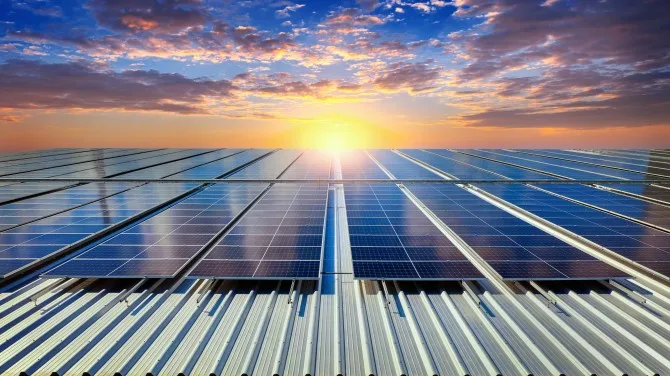
- Next-Generation Solar and Wind: Photovoltaic efficiency has surpassed 30% in commercial panels, with perovskite-based cells pushing boundaries on cost and flexibility. Offshore wind farms now generate record gigawatt outputs, thanks to larger turbines and floating platforms.
- Energy Storage and Grid Modernization: Solid-state batteries and advanced flow batteries have revolutionized energy storage, enabling longer durations and safer, denser storage. Smart grids use AI-driven analytics to balance demand and supply in real time, minimizing waste.
- Electric and Hydrogen-Powered Transportation: EV adoption has soared, supported by expanding charging infrastructure and battery recycling initiatives. Hydrogen fuel cells, particularly in heavy-duty and aviation sectors, are gaining traction thanks to green hydrogen production advances.
- Carbon Capture and Utilization Technologies (CCUS): CCUS facilities now operate at scale, capturing millions of tons of CO2 annually. Innovations allow captured carbon to be converted into building materials, synthetic fuels, and even food additives.
- Smart Agriculture and Circular Economy Solutions: Precision agriculture uses IoT sensors and drones to optimize water, fertilizer, and pesticide use, reducing environmental footprints. Circular economy initiatives focus on waste-to-resource frameworks, exemplified by bio-based plastics and closed-loop manufacturing.
“The intersection of AI and green tech is unlocking efficiencies previously unimaginable, from predictive maintenance of renewable assets to optimizing energy consumption patterns.” — Marcus Chen, CTO, GreenWave Technologies
2026 Snapshots: Current Trends and Breakthroughs
Several landmark developments in 2026 highlight how green tech is reshaping sustainability efforts worldwide.
- Global Renewable Energy Share Reaches Record Highs: According to the latest International Energy Agency (IEA) data, renewables now account for 62% of global electricity production, driven by solar and wind deployment in emerging markets.
- Green Hydrogen Scaling Up: Countries like Australia, Germany, and Chile have launched massive green hydrogen export hubs, supported by public-private partnerships and innovative electrolysis technologies.
- EV Market Penetration Crosses 50%: In Europe and China, over half of new vehicle sales are electric, with battery reuse and second-life applications becoming standard practice.
- Carbon Capture Moves from Pilot to Industrial Scale: New facilities in the U.S. and Middle East demonstrate cost-effective CCUS integration with industrial processes, reducing emissions without sacrificing productivity.
- Smart Cities Embrace Integrated Green Tech: Urban centers leverage interconnected green technologies—from energy-efficient buildings to smart public transport—enhancing quality of life while cutting emissions.
These trends underscore how green technology is no longer future fantasy but a present-day reality transforming economies and societies. For readers interested in the broader implications of these advances, TheOmniBuzz's Green Tech’s Quiet Revolution offers a comprehensive analysis of innovation’s role in sustainability.
Industry Perspectives: The Economic and Environmental Impact
Industry leaders emphasize green technology’s dual role as an economic catalyst and environmental safeguard. The transition to green tech is unlocking trillions of dollars in investment opportunities while creating millions of new jobs globally.
According to the World Economic Forum’s 2026 report, the green tech sector employs over 45 million people worldwide, a figure projected to double by 2030. Sectors such as renewable energy manufacturing, battery production, and sustainable construction are particularly robust job creators.
Environmentally, green tech solutions have contributed to a measurable slowdown in global carbon emissions growth. The U.N. Environment Programme estimates that green tech adoption has helped avoid roughly 2 gigatons of CO2 emissions annually since 2023.
Despite these gains, challenges remain. Supply chain disruptions, rare earth material scarcity, and geopolitical tensions over critical resources threaten green tech scalability. Industry experts call for increased material recycling, international cooperation, and standards harmonization to address these risks.
For those seeking actionable insights into entering or advancing in this dynamic field, see Starting Your Journey in Green Tech: Essential Steps for Meaningful Impact, which outlines practical pathways for individuals and organizations.
Looking Ahead: What to Watch in Green Tech’s Trajectory
As green technology continues to evolve, several key trends and uncertainties will shape its future impact.
- Material Innovation and Sustainability: Breakthroughs in biodegradable materials and earth-abundant alternatives will reduce dependency on scarce resources like lithium and cobalt.
- AI and Automation Integration: Artificial intelligence will further optimize green tech systems, from predictive grid management to autonomous maintenance of renewable infrastructure.
- Policy and Regulatory Frameworks: The success of green tech depends heavily on supportive policies, including carbon pricing, subsidies for clean technologies, and international climate agreements enforcement.
- Decentralized Energy Models: Distributed generation and microgrids will empower communities, particularly in remote areas, fostering energy independence and resilience.
- Consumer Behavior and Social Acceptance: Public demand for transparency and sustainability will pressure companies to adopt greener practices across entire value chains.
The coming decade will test green technology’s ability to balance rapid deployment with sustainability and equity considerations. Stakeholders must remain agile and collaborative to harness its full potential.
“The future of green tech hinges on our collective willingness to innovate responsibly and inclusively—only then can technology truly serve the planet and its people.” — Amina Yusuf, Chair, Global Green Tech Alliance
Case Studies: Real-World Green Tech Success Stories
Examining concrete examples sheds light on how theory translates into tangible impact.
Denmark’s Energy Island Project: This ambitious initiative creates an artificial island in the North Sea serving as a hub for offshore wind farms that will generate up to 10 GW of electricity by 2030. It exemplifies large-scale green tech integration, combining wind power with hydrogen production and grid interconnections to neighboring countries.
India’s Solar Microgrids: In rural Maharashtra, decentralized solar microgrids provide reliable electricity to 100,000+ households previously off-grid. By leveraging smart metering and community ownership models, the project enhances energy access while reducing fossil fuel reliance.
Tesla’s Battery Recycling Program: Tesla’s closed-loop battery recycling facility in Nevada has processed over 100,000 tons of used batteries since 2024, recovering critical materials and reducing environmental waste. This initiative addresses one of green tech’s key sustainability challenges.
These diverse case studies demonstrate green tech’s adaptability across contexts—urban and rural, developed and developing regions—reinforcing its pivotal role in achieving global sustainability goals.
For a deeper dive into innovation reshaping sustainability, readers should explore Green Tech’s Leap Forward: Innovations Reshaping Our Sustainable Future, which profiles cutting-edge projects worldwide.