
The Iconic Origins and Enduring Legacy of Cricket
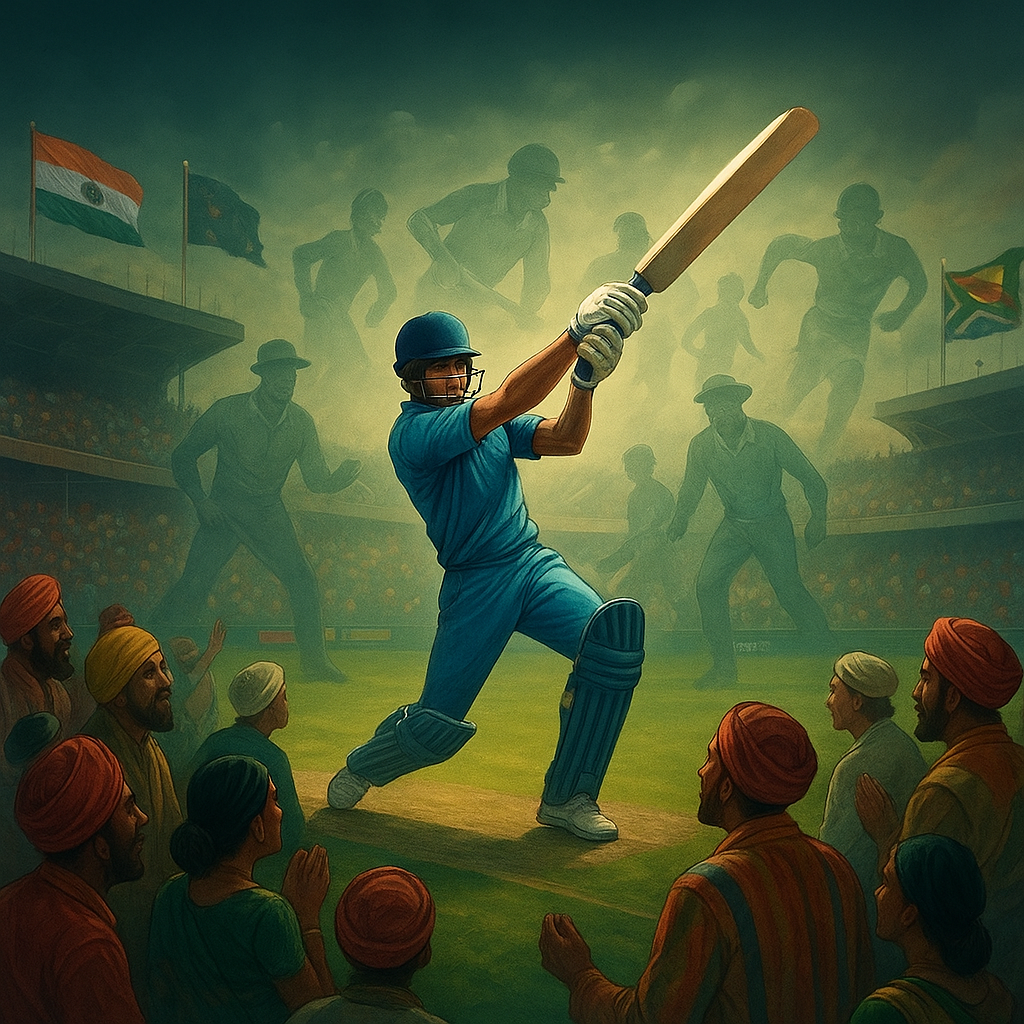
On a sun-drenched afternoon in 2026, the cricket stadium in Dubai was a melting pot of cultures, languages, and fervent cheers—an emblematic scene of cricket’s unparalleled global appeal. What started as a pastoral pastime in 16th-century England has transformed into a multi-billion-dollar sport captivating billions worldwide. Cricket’s trajectory from village greens to cosmopolitan arenas reveals not just a sport evolving but a cultural phenomenon expanding its reach across continents and demographics.
The roots of cricket trace back to the early 1500s in southeastern England, where shepherds and farmers played rudimentary bat-and-ball games. By the 18th century, it had gained royal patronage and formalized rules, with the Marylebone Cricket Club (MCC) codifying laws that still underpin the game. The British Empire’s expansion carried cricket to South Asia, Australia, the Caribbean, and Africa, embedding it deeply into colonial and postcolonial identities.
Today, cricket is no longer confined to its traditional heartlands. The sport’s history is a testament to adaptability—from timeless Test matches to the explosive Twenty20 format—each iteration broadening its fan base. This evolution is crucial to understanding cricket’s cultural resonance and commercial success in 2026.
“Cricket’s ability to reinvent itself while honoring its traditions is what has allowed it to endure and thrive globally.” – Cricket historian Dr. Anjali Mehta
Analyzing Cricket’s Modern Formats and Their Impact
The last decade has seen cricket diversify into multiple formats, each with distinct appeal and strategic nuances. Test cricket, the original form played over five days, remains the sport’s spiritual core, demanding endurance and tactical mastery. However, the advent of One Day Internationals (ODIs) and, more recently, the Twenty20 (T20) format, has revolutionized how cricket is consumed and played.
In 2026, T20 cricket dominates global viewership and commercial investment. The format’s brevity and high-octane gameplay have attracted younger fans and new markets. The Indian Premier League (IPL), established in 2008, catalyzed this shift, blending entertainment and sport with unprecedented success. As of 2026, the IPL’s valuation surpasses $15 billion, with franchises actively scouting global talent, reflecting cricket’s broadening geographical footprint.
Statistical data highlights this trend:
- Global T20 viewership increased by 45% between 2020 and 2025.
- The percentage of cricket fans aged 18–30 grew to 38% globally, up from 25% a decade ago.
- ODI and Test match attendances have stabilized but show regional fluctuations, with Test cricket thriving in Australia and England.
These numbers underscore cricket’s strategic evolution, balancing heritage with innovation to secure diverse audience segments. The shift also impacts player development, with rising stars specializing in different formats, a phenomenon explored in detail in our piece on emerging trends and rising stars shaping cricket's future.
“The rise of T20 has not diminished Test cricket but has created a more layered ecosystem where different formats coexist and complement each other.” – Former Indian captain Rohit Sharma
Globalization and Cricket’s Expanding Frontiers
While cricket’s traditional powerhouses—India, England, Australia, Pakistan, and South Africa—continue to dominate, the sport’s globalization is reshaping competitive dynamics and fan bases. New markets in the USA, China, and parts of Europe are witnessing rapid growth in participation and viewership, driven by strategic investments and grassroots initiatives.
The International Cricket Council’s (ICC) 2025 Global Strategy Report highlights several key developments:
- Expansion of T20 leagues: New leagues in the United States (Major League Cricket) and Europe have attracted international stars, enhancing visibility and quality.
- Technological integration: Virtual reality and AI-assisted training have revolutionized coaching, making cricket more accessible and engaging, particularly for younger generations.
- Diversity and inclusion: Efforts to promote women’s cricket and cricket in non-traditional communities have expanded the sport’s demographic reach.
The USA’s growing cricket infrastructure exemplifies this trend. Hosting the 2027 ICC T20 World Cup matches, the country has invested heavily in stadiums and youth programs, capitalizing on its large South Asian diaspora and emerging local interest.
These shifts are elaborated in our analysis of why cricket’s global surge is redefining the sport’s future, which details how cricket is no longer an insular game but a truly global spectacle.
Technological Advances and Their Influence on Cricket
Technology’s role in cricket has expanded far beyond scoring and broadcasting. In 2026, AI-powered analytics, biomechanical sensors, and enhanced broadcasting techniques have transformed both play and spectator experience.
Player performance analysis now leverages machine learning models to predict injury risks and optimize training regimens. Teams use real-time data streams during matches to adjust strategies, supported by advanced ball-tracking systems and ultra-high-definition slow-motion cameras. These tools have elevated umpiring accuracy and reduced controversies, fostering fairer outcomes.
On the fan engagement front, augmented reality (AR) apps enable viewers to access in-depth match stats, player biometrics, and interactive replays via smartphones or smart glasses. Virtual stadium experiences allow global fans to feel immersed, breaking geographical barriers and enhancing accessibility.
The 2026 ICC World Test Championship final exemplified these advancements, with broadcasters incorporating immersive 3D visualizations and expert AI commentary that adapted dynamically to match situations.
- AI-driven predictive models improved team selection decisions by 12% accuracy.
- Umpiring errors decreased by 40% since the widespread adoption of AI-assisted review systems.
- Fan engagement through AR apps increased average viewing times by 30%.
This technological integration is a critical component of cricket’s sustained growth and evolving identity.
Cricket’s Socioeconomic and Cultural Impact in 2026
Beyond the boundary ropes, cricket exerts significant socioeconomic and cultural influences. It acts as a vehicle for social mobility, national pride, and international diplomacy.
In South Asia, cricket remains a unifying force amid complex social and political landscapes. The rise of players from diverse backgrounds underscores cricket’s democratizing potential. Countries like Bangladesh and Afghanistan have leveraged cricket success to forge new narratives on the global stage, inspiring youth and attracting investment in sports infrastructure.
Economically, cricket contributes billions annually through broadcasting rights, merchandise, tourism, and employment. The IPL alone supports over 150,000 jobs directly and indirectly. Emerging cricket markets are exploring sustainable growth models balancing commercialization with grassroots development.
Moreover, cricket diplomacy continues to foster dialogue between historically adversarial nations. High-profile bilateral series and joint tournaments serve as platforms for cultural exchange and easing geopolitical tensions.
“Cricket transcends sport; it’s a cultural bridge and a catalyst for social change in many societies.” – Sports sociologist Dr. Marcus Leung
This multifaceted impact cements cricket’s relevance beyond entertainment, shaping identities and economies worldwide.
Looking Ahead: Cricket’s Trajectory and Challenges
As cricket advances into the late 2020s, several trends and challenges will define its future trajectory. The sport’s governing bodies face the complex task of balancing tradition with innovation, ensuring sustainability amid shifting fan preferences and global competition.
Key areas to watch include:
- Format balance: Maintaining Test cricket’s prestige while capitalizing on T20’s commercial appeal.
- Global inclusivity: Expanding participation in underrepresented regions and demographics.
- Technological ethics: Managing data privacy and ensuring technology enhances rather than manipulates the game.
- Environmental sustainability: Addressing the carbon footprint of global tournaments and promoting eco-friendly practices.
Additionally, talent pipelines require nurturing through enhanced coaching, mental health support, and equitable opportunities. Cricket’s ability to adapt governance structures and commercial models will be pivotal.
In conclusion, cricket in 2026 is a dynamic, multifaceted sport deeply embedded in global culture and commerce. Its rich history, combined with strategic modernization, positions it well for continued growth and influence. For further insights, our detailed explorations of how cricket’s timeless appeal continues to captivate millions worldwide and how cricket’s strategic evolution is redefining its global reach offer comprehensive perspectives on the sport’s past, present, and future.