
From Village Greens to Global Arenas: The Unfolding Story of Cricket’s Reach
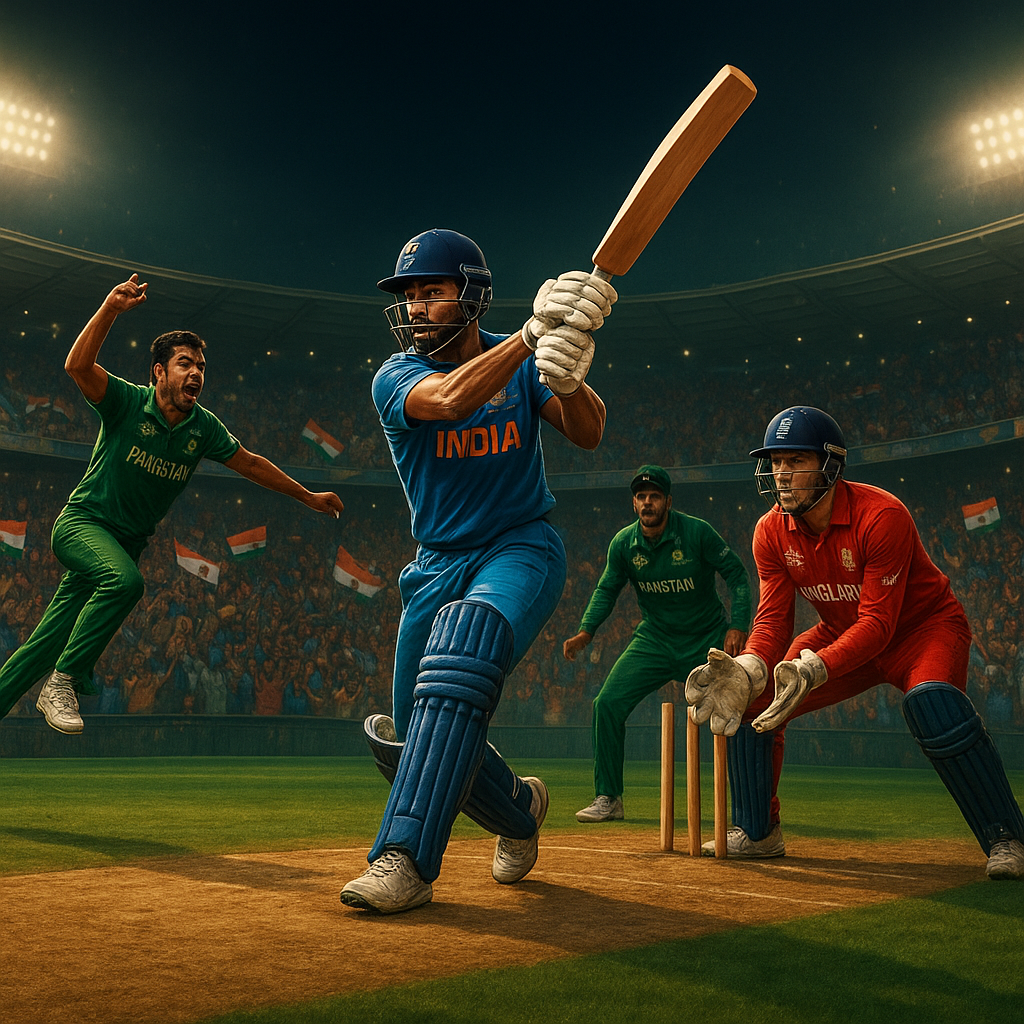
Imagine a cricket ball hurtling through the humid air of Mumbai’s Wankhede Stadium, smashing through the boundary ropes as millions watch worldwide on ultra-high-definition broadcasts. Cricket, once perceived as a sport primarily confined to Commonwealth nations, now commands an audience that spans continents and cultures. The game’s astonishing rise in popularity outside its traditional bastions signals not just a change in where cricket is played, but fundamentally how it is played, consumed, and commercialized.
In 2026, cricket is no longer the niche pastime of England, Australia, and India alone. Emerging markets like the United States, China, and parts of Europe have embraced the sport, driven by a dynamic mix of innovative formats, investment, and grassroots development. This expansion is reshaping cricket’s identity and setting the stage for a future that balances tradition with modernity.
Such sweeping transformation invites an in-depth exploration of cricket’s journey, its contemporary challenges, and the forces that will define its trajectory. This comprehensive analysis draws on the latest statistics, expert opinions, and case studies to understand how cricket is evolving as a truly global sport.
“Cricket’s growth outside traditional strongholds is not merely about new fans; it’s about reinventing the sport’s very DNA to appeal to a diverse, younger, and digitally savvy audience.” — Dr. Sanjay Patel, Sports Economist
Tracing Cricket’s Evolution: Historical Roots and Contemporary Shifts
The origins of cricket date back to 16th century England, evolving from a rural pastime to a formalized sport by the 18th century. The British Empire’s global reach facilitated cricket’s spread to colonies, embedding it deeply in countries like India, Australia, South Africa, and the Caribbean. The sport’s identity became intertwined with colonial histories and cultural exchanges.
By the 20th century, cricket had cemented itself through iconic test matches and legendary players who became national heroes. However, the sport’s format remained predominantly long-form, with Test cricket as the pinnacle. The late 20th century introduced One-Day Internationals (ODIs) and later Twenty20 (T20), revolutionizing the pace, audience engagement, and commercial appeal. These formats were crucial in attracting younger demographics and expanding cricket’s marketability.
Entering the 21st century, cricket faced the challenge of staying relevant in an increasingly fragmented sports landscape dominated by football, basketball, and emerging eSports. Innovations such as league-based franchise tournaments, most notably the Indian Premier League (IPL) launched in 2008, redefined player mobility and fan engagement. The IPL model inspired similar leagues worldwide, accelerating cricket’s globalization.
Despite these advances, cricket’s governance and scheduling complexities posed hurdles. The International Cricket Council (ICC) has worked to balance preserving Test cricket’s heritage with the commercial impetus of shorter formats. These dynamics frame the current landscape as cricket embraces a multifaceted identity.
“The introduction of franchise leagues was a pivotal moment, transforming cricket from a test of endurance into a festival of entertainment — essential for survival in the modern sports ecosystem.” — Emma Clarke, Former England Cricketer and Analyst
Data-Driven Insights: Growth Metrics and Global Comparisons
Quantifying cricket’s growth reveals striking trends. According to the ICC’s 2025 annual report, global cricket viewership has surged by 35% over the past five years, with digital streaming platforms contributing 60% of the new audience. The Asia-Pacific region remains the largest market, accounting for 68% of all cricket fans worldwide. However, North America and Europe have recorded the highest year-on-year growth rates, respectively 22% and 18%.
Participation numbers tell a complementary story. Worldwide registered cricket players increased from 30 million in 2020 to over 45 million in 2025, fueled by youth programs in non-traditional cricket nations. The United States Cricket Association reported a 40% spike in youth membership between 2023 and 2025, propelled by the introduction of cricket in school curricula and community leagues.
In terms of commercial revenue, the global cricket economy reached an estimated $5.6 billion in 2025, growing at a compound annual growth rate (CAGR) of 8% since 2020. The IPL remains the most lucrative league, generating approximately $1.8 billion annually. The rise of new leagues — such as the Global Cricket Championship in the US and the European Cricket Series — has diversified revenue streams and sponsorships.
- Top 3 Cricket Markets by Revenue (2025): India ($2.5B), England ($800M), Australia ($650M)
- Fastest Growing Cricket Markets (2021–2025): USA (22%), Germany (18%), China (15%)
- Digital Viewership Share: Streaming platforms 60%, Traditional TV 30%, Social media clips 10%
Comparatively, cricket still trails behind football and basketball in global reach but is outpacing other niche sports like rugby and baseball in growth velocity. This positions cricket strategically for further expansion if current trends continue.
2026 Developments: Innovation, Inclusion, and Internationalization
The year 2026 marks a significant juncture for cricket’s global narrative. The ICC has unveiled a new calendar incorporating more T20 Global League events aimed at penetrating North American and East Asian markets. This includes partnerships with established sports franchises to leverage their infrastructure and fan bases.
Technological integration is another hallmark of 2026. Advanced AI-driven analytics are being employed for player performance, umpiring decisions, and fan engagement. Virtual reality (VR) cricket experiences allow fans globally to immerse themselves in live matches from multiple vantage points, enhancing accessibility and excitement.
Diversity and inclusion have become core priorities. Initiatives to promote women’s cricket have seen unprecedented investment, with the ICC’s Women’s World Cup 2026 breaking attendance and broadcast records. Emerging cricket nations are receiving development grants to build facilities and coaching programs, fostering grassroots growth.
Cricket’s relationship with sustainability has also advanced. Several stadiums across Australia and England have adopted green technologies and carbon-neutral goals, aligning with global environmental commitments.
- The ICC’s Global Expansion Plan 2026 includes 15 new associate member nations playing official T20 internationals.
- Women’s cricket revenue increased by 45% over the past two years, supported by enhanced media rights deals.
- VR cricket platforms report a 120% increase in user engagement since launch in early 2025.
These developments reflect a sport in transition, balancing commercial ambitions with social responsibility and technological innovation.
Industry and Expert Views: What the Leaders Are Saying
Industry insiders emphasize cricket’s potential to become a truly global sport while cautioning against pitfalls. According to Harpreet Singh, CEO of a leading cricket franchise, “The challenge lies in maintaining cricket’s rich traditions while embracing innovations that appeal to younger and diverse audiences.”
Experts highlight the role of strategic marketing, youth engagement, and digital platforms in sustaining growth. Sports analysts point to cricket’s adaptability — from Test matches to T10 leagues — as a unique strength, enabling tailored experiences for different markets.
The role of governance remains critical. Cricket boards worldwide are under pressure to ensure transparency, equitable resource distribution, and tournament scheduling that does not overburden players. The ICC’s efforts to streamline international calendars have been praised, though some criticism persists regarding the dominance of private leagues over national fixtures.
“Cricket’s future success depends on a delicate balance: honoring the sport’s heritage while innovating to meet the expectations of a global, digital-first audience.” — Lara Chen, Sports Governance Expert
Industry projections suggest that cricket could surpass the 60 million active player mark by 2030 if current development programs and market expansions succeed.
Looking Ahead: Strategic Imperatives and Potential Challenges
As cricket charts its course through the mid-2020s, several factors will influence its global ascent. Foremost is the need for sustainable growth models that integrate grassroots participation with elite performance. Expanding cricket’s footprint in new regions requires culturally sensitive approaches, infrastructure investment, and long-term commitment.
Technological innovation will continue to reshape fan engagement. The integration of augmented reality (AR), blockchain-based collectibles, and personalized content delivery could redefine how cricket fans connect with the sport. However, managing data privacy and digital equity will be essential challenges.
Health and athlete welfare remain paramount. The crowded international calendar demands adaptive workload management and mental health support for players. The sport’s stakeholders must collaborate to prevent burnout and sustain high-performance levels.
Finally, cricket’s commercial ecosystem will evolve with increased competition from other sports and entertainment forms. Strategic partnerships, innovative broadcasting rights arrangements, and diversified revenue streams will be vital to maintain financial viability.
- Enhance grassroots programs in emerging markets to build sustainable player pipelines.
- Leverage digital technologies to create immersive and accessible fan experiences.
- Maintain balance between traditional formats and innovative competitions.
- Prioritize player welfare amid increasing match demands.
- Foster global governance transparency and equitable resource sharing.
These imperatives outline a roadmap for cricket’s future, blending respect for its historic legacy with a progressive vision suited to a globally interconnected world.
As readers interested in cricket’s evolving story, exploring How Cricket’s Strategic Evolution Is Redefining Its Global Reach offers deeper insights into the sport’s tactical transformations. For those fascinated by the personalities shaping cricket’s history, Top 10 Cricket Legends Who Redefined the Game Forever is essential reading.