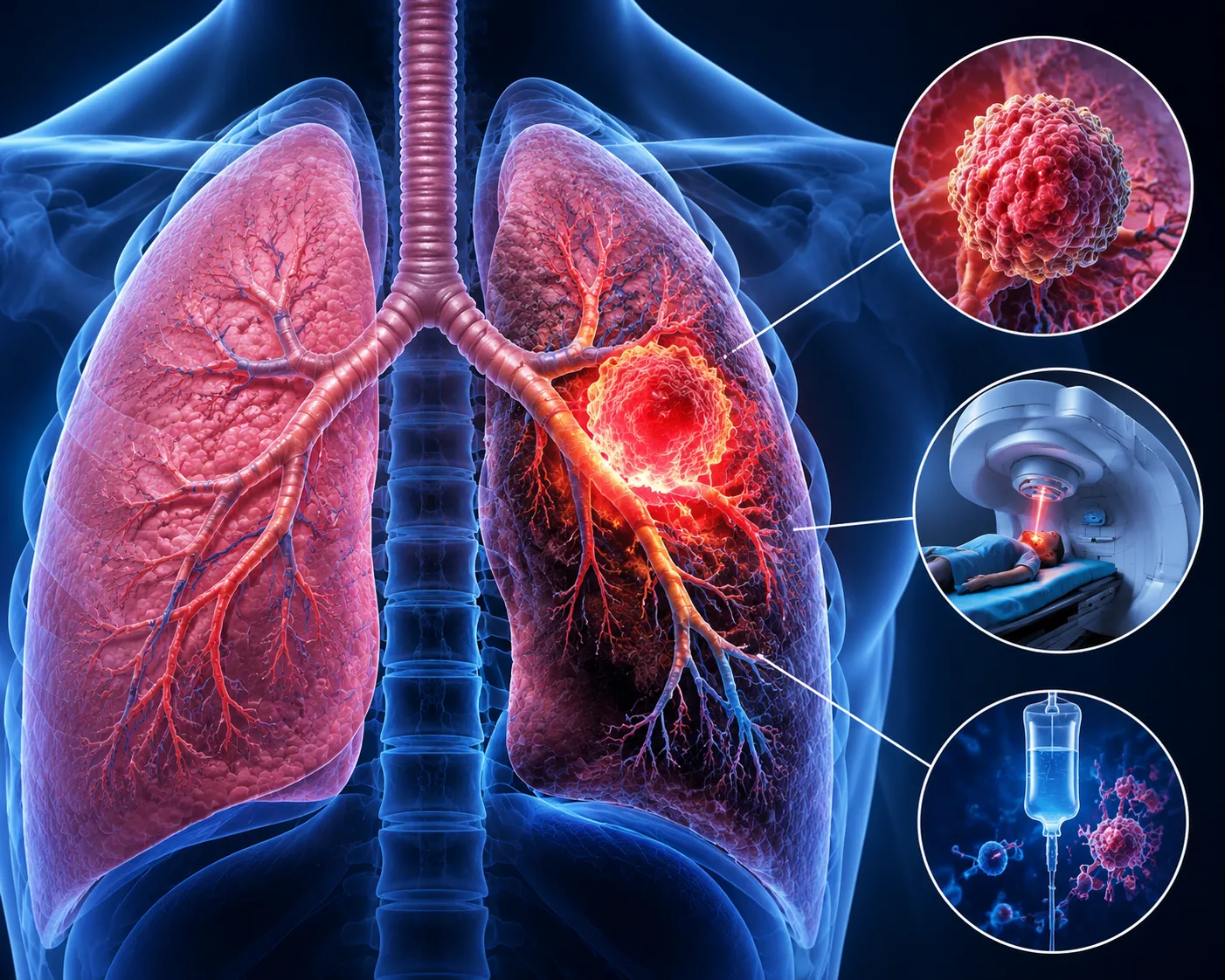

Breast health is an essential part of women's overall well-being. Understanding changes in breast tissue, recognising possible warning signs, and attending recommended screening examinations can help women make informed decisions about their health. Although breast cancer is more commonly discussed among older women, it can also occur in younger individuals. Therefore, knowing when to seek medical advice is important at every stage of adulthood.Breast cancer may develop without noticeable symptoms during its early stages. Some women discover changes through routine screening, while others seek medical attention after noticing a lump or an unusual change. This makes awareness and timely evaluation important components of breast healthcare.For women looking for Breast Cancer Screening in Coimbatore, understanding available diagnostic methods and knowing when to consult a specialist can make the healthcare journey easier. GEM Cancer Centre in Coimbatore provides cancer-focused medical services and specialist support for individuals seeking breast health evaluation.
Understanding Breast Health and Breast Cancer
Breasts contain fatty tissue, milk-producing glands, connective tissue, and ducts that carry milk towards the nipple. These structures may change throughout a woman's life due to hormonal fluctuations, pregnancy, breastfeeding, ageing, and other natural processes.Not every breast change indicates cancer. Some changes occur because of benign conditions such as breast cysts, fibroadenomas, hormonal variations, or infections. However, persistent or unusual changes should be evaluated by a healthcare professional.Breast cancer develops when certain breast cells begin growing abnormally and multiply without normal control. Depending on where it originates, breast cancer can involve the milk ducts, lobules, or surrounding breast tissue.Understanding the difference between normal breast changes and symptoms that require investigation helps women take appropriate action without unnecessary fear.
Early Warning Signs of Breast Cancer Women Should Know
Breast cancer does not always cause pain during its early stages. Some abnormalities may only become noticeable through imaging examinations. Nevertheless, recognising possible warning signs can encourage timely medical consultation.
Common changes that should be evaluated include:
1. A new breast lump: A newly developed lump or thickened area in the breast or underarm should be examined. Many breast lumps are non-cancerous, but their cause should be established.
2. Changes in breast size or shape: An unexplained difference in breast appearance, particularly when it develops suddenly, may require medical assessment.
3. Nipple changes: New nipple inversion, unusual discharge, or changes in nipple appearance should not be ignored.
4. Skin changes: Dimpling, persistent redness, thickening, or an orange-peel-like appearance of the breast skin may indicate an underlying problem.
5. Persistent breast discomfort: Although breast pain alone is not usually a typical sign of breast cancer, unexplained or persistent discomfort should be discussed with a doctor.
Women experiencing these symptoms should not wait for their next routine screening appointment. A clinical examination and appropriate diagnostic investigations can help identify the underlying cause.
Why Breast Cancer Screening Matters Even Without Symptoms
Breast cancer screening is designed to identify suspicious abnormalities before noticeable symptoms develop. It is particularly important for women who fall within recommended screening age groups or have additional risk factors.
A Breast Cancer Screening Test in Coimbatore may involve mammography or other imaging examinations depending on the individual's age, medical history, and clinical requirements.
Screening can help healthcare professionals:
- Identify abnormalities that may not be detectable through physical examination.
- Examine breast tissue using specialised imaging techniques.
- Compare current findings with previous reports.
- Identify areas that may require additional investigation.
- Recommend appropriate follow-up based on individual risk.
It is important to understand that screening does not prevent breast cancer or guarantee that every cancer will be detected. However, it is an important part of an appropriate breast health management plan.
Different Screening and Diagnostic Methods Used for Breast Evaluation
The choice of examination depends on whether a woman is undergoing routine screening or investigating an existing breast concern.
Mammography
Mammography uses low-dose X-rays to produce images of breast tissue. It is one of the commonly recommended methods for breast cancer screening.During the procedure, the breast is gently compressed between two plates to obtain clear images from different angles. Compression helps spread the tissue and may improve the visibility of abnormalities.Women searching for a Mammogram Test in Coimbatore should discuss the appropriate examination and screening interval with a qualified healthcare professional.
Breast Ultrasound
Breast ultrasound uses sound waves to examine breast tissue. It can help distinguish fluid-filled cysts from solid masses and investigate areas identified during physical examination or mammography.It may be recommended for younger women, women with dense breast tissue, or patients requiring further evaluation. Ultrasound does not replace mammography in every situation.
Breast MRI
Magnetic resonance imaging uses magnetic fields and radio waves to create detailed images of breast tissue. It may be recommended for selected women with a higher risk of breast cancer or when additional diagnostic information is required.MRI is not routinely necessary for every woman and should be considered based on medical advice.
Clinical Breast Examination
A healthcare professional examines the breasts and surrounding areas for lumps, skin changes, nipple abnormalities, and other unusual findings.Clinical examination can support the diagnostic process, but it does not replace recommended imaging-based screening.
What Factors Can Increase the Risk of Breast Cancer?
Breast cancer can develop in women with or without identifiable risk factors. However, certain characteristics may increase the likelihood of developing the condition.
Important risk factors include:
- Increasing age.
- A family history of breast or ovarian cancer.
- Inherited genetic changes, including BRCA1 and BRCA2 mutations.
- Previous history of breast cancer.
- Certain high-risk breast tissue abnormalities.
- Previous exposure to radiation therapy involving the chest.
- Certain hormonal and reproductive factors.
- Alcohol consumption and some lifestyle-related factors.
Having one or more risk factors does not mean that a woman will necessarily develop breast cancer. Similarly, the absence of known risk factors does not eliminate the possibility.Women with a strong family history or known inherited genetic risk may benefit from a personalised risk assessment and an individualised screening plan.
How Often Should Women Undergo Breast Cancer Screening?
There is no single screening schedule that is suitable for every woman. Recommendations may vary depending on age, personal medical history, family history, genetic risk, and the guidelines followed by the treating healthcare professional.Women at average risk should discuss when to begin screening and how frequently to undergo mammography with their doctor.Those with an increased risk may require earlier assessment or additional imaging. Women who have previously received breast cancer treatment may also need a different follow-up schedule.A Breast Cancer Screening Test in Coimbatore should therefore be planned according to individual clinical requirements rather than following a schedule without medical guidance.
What Happens After an Abnormal Screening Result?
An abnormal mammogram does not automatically mean that a woman has breast cancer. Some findings may be associated with benign cysts, dense breast tissue, or other non-cancerous changes.Depending on the findings, the doctor may recommend additional mammogram views, breast ultrasound, MRI, or a biopsy.A biopsy involves collecting a small tissue sample from the suspicious area for laboratory examination. It helps determine whether abnormal cells are cancerous or benign.If breast cancer is confirmed, the oncology team evaluates the cancer type, stage, and other relevant characteristics before discussing treatment options.Treatment may involve surgery, radiation therapy, chemotherapy, hormone therapy, targeted therapy, or a combination of approaches. The recommended plan depends on the individual diagnosis and clinical assessment.
Breast Cancer Care and Patient Support at GEM Cancer Centre
A cancer diagnosis can be challenging for patients and their families. Access to appropriate medical guidance, clear communication, and supportive healthcare professionals can make the treatment journey easier to navigate.GEM Cancer Centre, Coimbatore, offers cancer-focused care with medical, surgical, and radiation oncology services. Patients can seek specialist guidance regarding diagnosis, treatment planning, and further evaluation based on their medical requirements.
Patient feedback also highlights the importance of compassionate care and communication.In a Google review, Azar Fazulu shared a positive experience regarding the care received by their mother in the radiation and oncology departments, appreciating the doctors and staff for their kindness and support.
Another reviewer, Rithika Raja, appreciated the supportive and compassionate approach of the Radiation Oncology Department and its focus on patient comfort.Such experiences reflect the value patients and families place on communication, support, and attentive healthcare services. Individual experiences and treatment outcomes may differ.Women looking for Breast Cancer Screening in Coimbatore can consult the GEM Cancer Centre team to understand suitable screening and diagnostic options.
Frequently Asked Questions About Breast Health
1. Can breast cancer develop without a lump?
Yes. Breast cancer does not always present as a noticeable lump. Changes in breast skin, nipple appearance, or imaging findings may sometimes be the first indication of an abnormality.
2. Is breast pain always a sign of breast cancer?
No. Breast pain is commonly associated with hormonal changes, cysts, infections, and other benign conditions. However, persistent or unexplained pain should be evaluated.
3. Can younger women develop breast cancer?
Yes. Although the risk generally increases with age, breast cancer can also occur in younger women. New or unusual breast changes should be medically assessed regardless of age.
4. Is mammography painful?
Some women experience temporary discomfort during breast compression. The pressure is usually brief and helps obtain clearer images for evaluation.
5. Does a normal mammogram mean there is no possibility of breast cancer?
No screening examination detects every cancer. Women should seek medical advice if they notice new symptoms, even after receiving a normal screening report.
6. Where can women seek breast cancer screening in Coimbatore?
Women can consult GEM Cancer Centre, Coimbatore, to discuss breast health evaluation, mammography, and specialist guidance based on their individual needs.
Conclusion
Breast health awareness involves more than recognising a lump. Understanding unusual breast changes, knowing the role of screening examinations, and seeking medical advice when necessary are important steps towards responsible healthcare.Regular screening based on individual risk, appropriate diagnostic investigations, and timely medical consultation can help women make informed decisions about their breast health.For women considering Breast Cancer Screening in Coimbatore, GEM Cancer Centre provides access to cancer-focused specialist care and guidance. Taking the time to understand breast health today can help women become more confident and proactive about their healthcare decisions.