
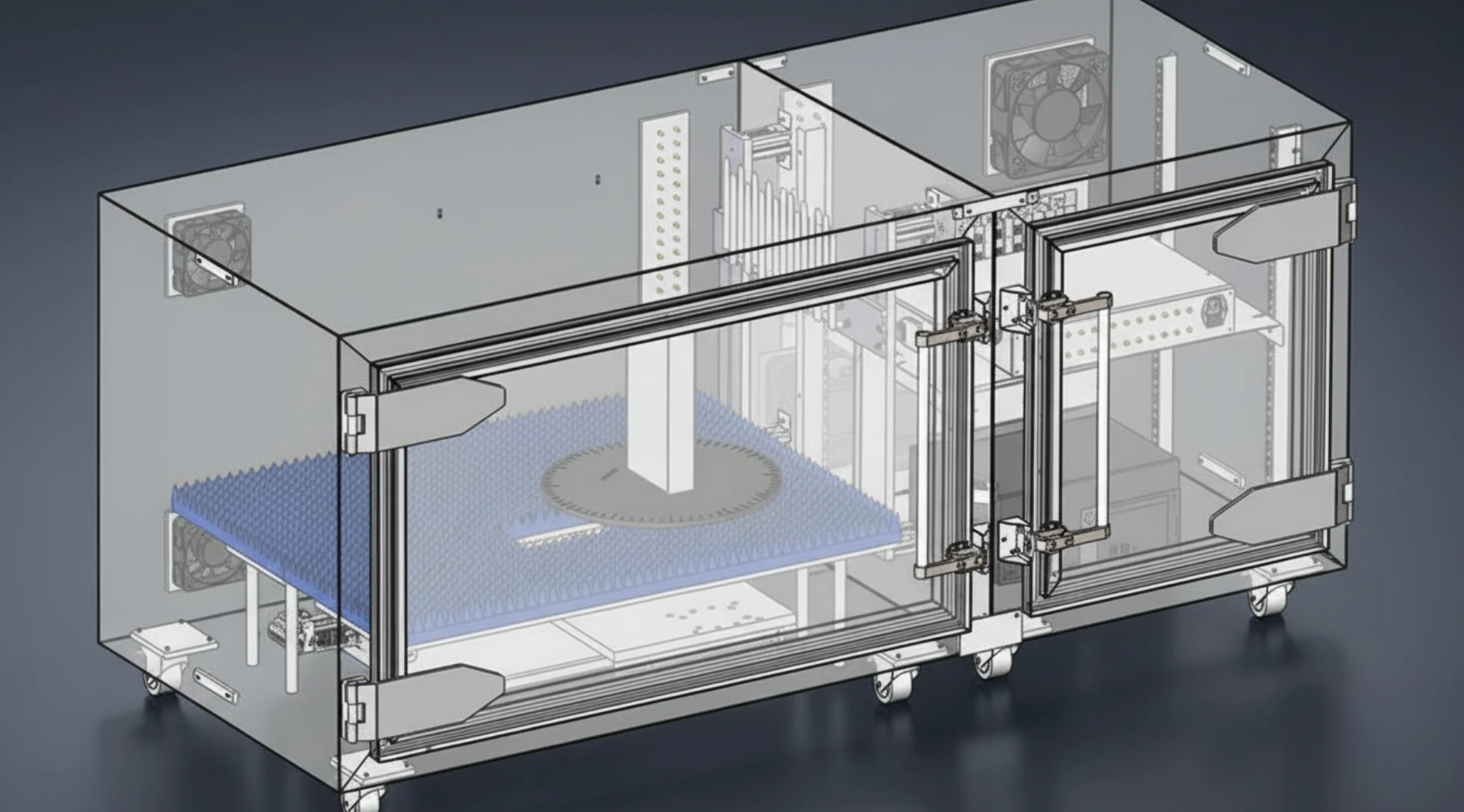
In 2026, wireless connectivity is no longer just about speed—it’s about reliability, consistency, and performance under real-world conditions. As industries rapidly adopt IoT, 5G-enabled devices, and smart infrastructure, ensuring robust WiFi performance has become mission-critical. This is where RVR WiFi testing plays a vital role in evaluating signal integrity and overall system performance in complex RF environments.
From crowded urban deployments to high-density industrial setups, RF interference and signal degradation are increasingly common challenges. Organizations now need more precise, repeatable, and scalable testing methods to ensure their wireless products meet performance standards. Accurate rvr wifi testing helps engineers identify weak points, optimize signal quality, and deliver reliable user experiences across devices and networks.
Key Takeaways
- Understand the importance of RVR WiFi testing in modern RF environments
- Learn key challenges that impact testing accuracy and performance
- Discover best practices to improve reliability and repeatability
- Explore how to optimize testing setups for real-world scenarios
- Gain insights into selecting the right testing solutions and partners
Understanding RVR WiFi Testing in RF Environments
RVR WiFi testing is a critical process used to measure how effectively a wireless device transmits and receives signals under varying RF conditions. It focuses on analyzing signal quality, distortion, and performance consistency—especially in environments where interference is unavoidable.
Unlike basic throughput testing, RVR-based evaluation provides deeper insights into how signals behave in dynamic environments. This makes it particularly valuable for applications such as smart devices, automotive systems, industrial automation, and telecom infrastructure.
As RF ecosystems become more complex, traditional testing approaches fall short. Accurate rvr wifi testing ensures that devices are not only functional but also optimized for real-world deployment scenarios.
Key Challenges in RF Testing Environments
Achieving high accuracy in WiFi testing is not straightforward. RF environments introduce several variables that can distort results if not properly managed.
1. Signal Interference
With multiple devices operating in the same frequency bands, interference becomes a major issue. External noise sources can significantly impact measurement accuracy.
2. Multipath Propagation
Signals often reflect off surfaces, creating multiple paths between transmitter and receiver. This leads to fading, distortion, and inconsistent results.
3. Environmental Variability
Temperature, humidity, and physical obstructions can influence RF behavior, making repeatability a challenge.
4. Equipment Limitations
Outdated or poorly calibrated test equipment can lead to inaccurate readings and unreliable data.
Addressing these challenges requires a structured and well-controlled testing approach.
Best Practices for Accurate RVR WiFi Testing
To ensure reliable and repeatable results, organizations must adopt proven best practices when conducting RF testing.
1. Use Controlled Testing Environments
One of the most effective ways to improve accuracy is by conducting tests in controlled environments such as RF shielded chambers. These setups minimize external interference and provide a stable testing condition.
Controlled environments allow engineers to isolate variables and focus on device performance without external noise affecting the results.
2. Calibrate Equipment Regularly
Calibration is essential for maintaining measurement accuracy. Even minor deviations in equipment can lead to significant errors in RF testing.
Ensure that all instruments, including signal generators and analyzers, are calibrated according to industry standards. Regular calibration improves consistency and builds confidence in test results.
3. Simulate Real-World Conditions
While controlled environments are important, testing should also replicate real-world scenarios. This includes varying signal strengths, interference levels, and device orientations.
By combining controlled testing with real-world simulations, organizations can achieve a more comprehensive understanding of device performance.
4. Optimize Antenna Positioning
Antenna placement plays a crucial role in RF testing accuracy. Small changes in positioning can significantly impact signal behavior.
Use precise positioning systems to ensure consistent alignment during testing. This reduces variability and enhances repeatability across test cycles.
5. Implement Automation for Consistency
Manual testing introduces human error and limits scalability. Automated testing systems improve repeatability, reduce testing time, and ensure consistent execution.
Automation also enables large-scale testing, which is essential for validating performance across multiple scenarios.
6. Analyze Data with Advanced Tools
Collecting data is only part of the process. Advanced analytics tools help interpret results, identify patterns, and uncover hidden issues.
Data-driven insights allow engineers to make informed decisions and optimize system performance effectively.
7. Maintain Proper Documentation
Accurate documentation ensures traceability and helps in troubleshooting. Record all test parameters, configurations, and results for future reference.
This practice not only improves internal processes but also supports compliance with industry standards.
Benefits of Accurate RVR WiFi Testing
Organizations that invest in proper testing methodologies gain several advantages:
- Improved Product Quality: Devices perform reliably across different environments
- Faster Time-to-Market: Efficient testing reduces development cycles
- Enhanced User Experience: Consistent connectivity leads to better customer satisfaction
- Regulatory Compliance: Meets industry standards and certification requirements
Accurate rvr wifi testing ultimately ensures that products deliver on performance expectations in real-world conditions.
How to Choose the Right Testing Approach
Selecting the right testing strategy depends on your specific application, environment, and performance requirements.
Start by identifying your testing goals—whether it’s compliance, performance optimization, or troubleshooting. Then evaluate the tools, infrastructure, and expertise required to achieve those goals.
Look for solutions that offer scalability, automation, and flexibility. Partnering with experienced providers can also make a significant difference in achieving accurate and reliable results.
Frequently Asked Questions (FAQs)
1. What is RVR WiFi testing and why is it important?
RVR WiFi testing measures signal quality and performance in RF environments. It helps ensure that wireless devices function reliably under real-world conditions, making it essential for modern connectivity solutions.
2. How does RF interference affect WiFi testing?
RF interference can distort signals, reduce accuracy, and lead to inconsistent results. Managing interference is crucial for obtaining reliable test data.
3. What tools are required for accurate RVR WiFi testing?
Key tools include signal analyzers, RF chambers, antenna positioning systems, and automated test software. These tools help create controlled and repeatable testing conditions.
4. Can RVR WiFi testing be automated?
Yes, automation is widely used to improve consistency and efficiency. Automated systems reduce human error and enable large-scale testing.
5. How often should testing equipment be calibrated?
Equipment should be calibrated regularly based on usage and industry standards. Frequent calibration ensures accurate and reliable measurements.
6. What industries benefit the most from RVR WiFi testing?
Industries such as telecommunications, automotive, IoT, and industrial automation benefit significantly from accurate RF testing.
Ready to Elevate Your RF Testing Capabilities?
Achieving precision in RF environments requires the right combination of expertise, technology, and methodology. By implementing these best practices, organizations can significantly enhance the accuracy and reliability of their testing processes.
For businesses looking to stay ahead in wireless innovation, partnering with experts can make all the difference. Orbis Systems stands out as a trusted name in advanced RF testing solutions, offering cutting-edge technologies and customized systems designed to deliver accurate, scalable, and future-ready testing capabilities.