Opening the Gates: A 2026 Snapshot of University Education
In the fall of 2026, university campuses worldwide are bustling with students, yet the face of higher education is unmistakably altered. With global enrollment surpassing 220 million, universities have become epicenters of not only knowledge but innovation and social transformation. However, beneath the surface of vibrant campus life, institutions face mounting pressures to adapt to technological advances, shifting career landscapes, and evolving student expectations. The traditional university model, rooted in centuries-old paradigms, is being questioned as never before.
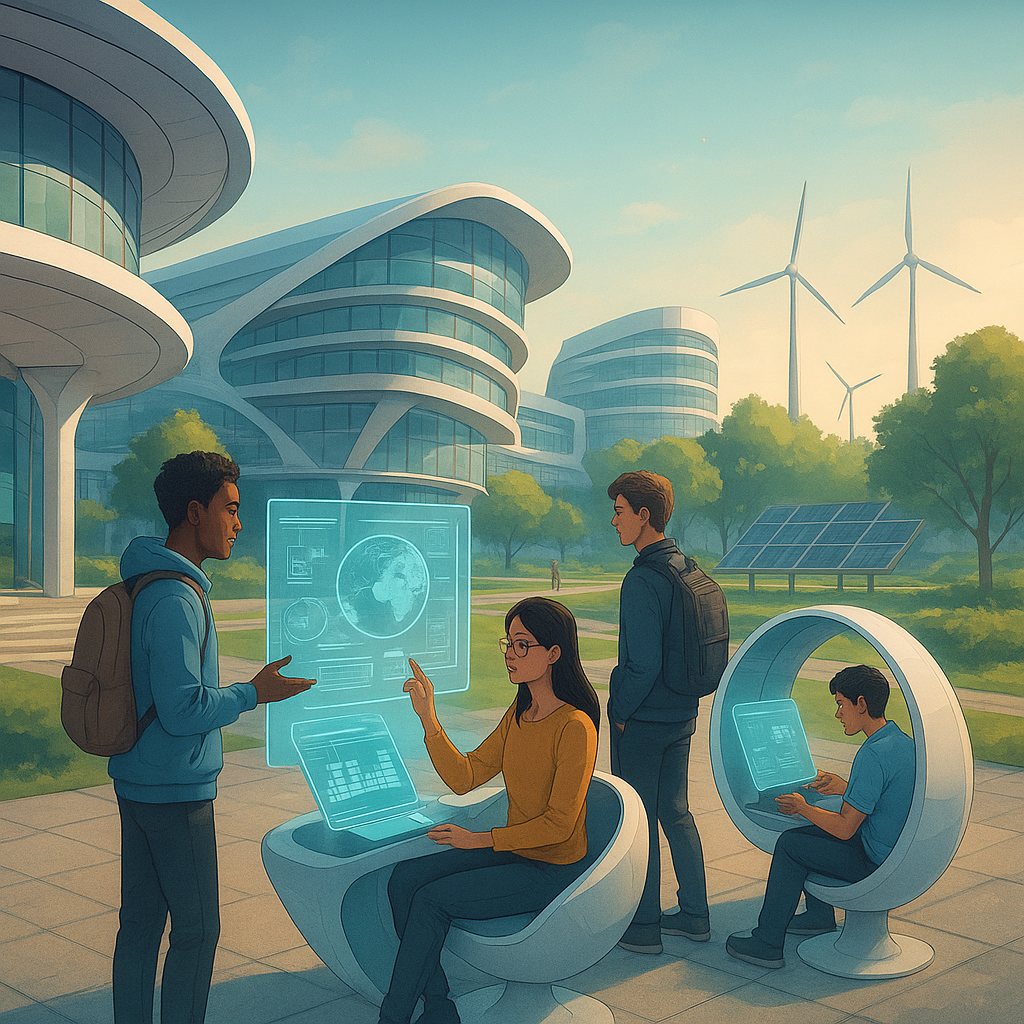
Consider this: a recent survey by the International Association of Universities found that over 60% of prospective students globally prioritize flexible learning formats and career-relevant skills over brand prestige. This shift signals a profound change in what the modern university must deliver. As classrooms blend physical and virtual spaces, and as AI tutors and personalized curriculums emerge, universities must rethink their roles.
“Universities are no longer just knowledge repositories; they are becoming dynamic ecosystems where learning, research, and societal engagement converge,” notes Dr. Helena Strauss, a leading education futurist.
Historical Context: From Medieval Halls to 21st Century Campuses
The university as an institution traces back to medieval Europe, with the University of Bologna (est. 1088) often cited as the earliest model. Originally tailored for clergy and elite scholars, the university evolved alongside the rise of nation-states and the industrial revolution, expanding to serve broader populations and diverse academic disciplines.
Throughout the 20th century, universities experienced explosive growth driven by the democratization of education and the post-WWII economic boom. Enrollment surged as governments invested heavily in higher education to fuel innovation and economic development. By the early 2000s, the classical campus model—with lectures, seminars, and research labs—had become the norm globally.
However, the digital revolution initiated cracks in this model. The advent of Massive Open Online Courses (MOOCs), online degrees, and later AI-powered learning platforms began to challenge the monopoly universities held on higher education. Despite this, many institutions clung to traditional structures, partly due to accreditation systems and cultural inertia.
Yet, the challenges of the 2020s—accelerated by the COVID-19 pandemic—forced universities worldwide to pivot rapidly. Hybrid teaching, virtual collaboration, and remote research became necessities rather than options, setting the stage for the university transformation visible in 2026.
Core Analysis: Data-Driven Shifts Redefining University Education
The pressures reshaping universities in 2026 are multifaceted but can be distilled into key trends supported by data and analysis.
1. Enrollment and Demographics
Global university enrollment has grown by approximately 3% annually over the past decade, but this growth is highly uneven. Asia-Pacific leads with over 50% of global enrollment, while some Western countries face stagnation or decline due to demographic shifts. According to UNESCO, the number of students aged 18-24 in low-income countries is expected to increase by 25% by 2030, intensifying demand for accessible university education.
2. Digital Integration and Hybrid Models
By 2026, more than 70% of universities offer fully hybrid or blended degree programs. A 2025 EDUCAUSE report highlights that students engaging with AI-assisted tutoring and adaptive learning platforms achieve 15-20% higher retention rates. The digital transformation is no longer optional but central to university operations.
3. Financial Models Under Stress
Rising operational costs, coupled with fluctuating government funding, force universities to explore alternative revenue streams. Tuition fees have increased by an average of 4% annually in many countries, sparking concerns about affordability and student debt. In response, some institutions have adopted income-share agreements and employer partnerships to alleviate financial burdens.
4. Curriculum and Skills Alignment
Employers increasingly demand graduates with hybrid skill sets combining technical knowledge with soft skills like critical thinking and adaptability. A 2026 LinkedIn Workforce Report found that 62% of hiring managers consider university-prepared graduates insufficiently equipped for the future workplace. Consequently, universities are revising curricula to integrate experiential learning, entrepreneurship, and interdisciplinary studies.
- Universities with AI and machine learning programs have seen a 40% enrollment increase since 2023.
- Over 50% of institutions now feature co-op and internship programs as degree requirements.
- Collaborations with industry partners have tripled in the past five years.
What’s New in 2026: Universities at a Crossroads
The year 2026 marks a pivotal moment where many universities are transitioning from survival tactics to strategic reinvention. Several developments highlight this trend.
Emergence of Micro-Credentials
Micro-credentials and stackable certificates have become mainstream pathways for lifelong learning. Institutions such as the University of Melbourne and Arizona State University lead in offering modular courses that allow learners to customize education and rapidly upskill. This approach responds to the need for continuous professional development in rapidly changing job markets.
Technology-Driven Personalized Learning
AI-driven platforms now enable tailored learning journeys, adapting content delivery to individual student profiles. For example, the partnership between Tuskegee University and AWS has pioneered AI tutoring systems that boost student engagement and outcomes, as detailed in our analysis of AI in education.
Focus on Equity and Inclusion
Universities are expanding access through scholarships, community outreach, and digital inclusion programs. The rise of virtual campuses helps overcome geographic and socio-economic barriers, particularly in underserved regions. These efforts align with global Sustainable Development Goals, emphasizing education quality and equity.
Integration of Sustainability and Social Responsibility
Curricula and campus operations increasingly reflect environmental and social concerns. Many universities commit to carbon neutrality by 2030 and embed sustainability into research agendas. Students expect their institutions to be active agents in addressing climate change and social justice.
“The university of the future is not just a place to learn but a catalyst for societal change,” remarks Dr. Anil Kapoor, Dean of Global Studies at the University of Toronto.
Expert Insights and Industry Impacts
Leading voices in education and industry emphasize the necessity of university evolution. Dr. Miriam Chen, Chief Innovation Officer at a top-tier US university, highlights that “the key to relevance lies in agility — the ability to pivot in response to technological shifts and labor market demands.” This sentiment is echoed by employers who increasingly collaborate with academia to shape curricula.
Universities that innovate witness benefits beyond student outcomes. Partnerships with corporations and governments boost funding and research opportunities, enhancing institutional prestige and impact. For instance, collaborations in AI, biotechnology, and climate science have led to breakthroughs and commercialization partnerships.
However, challenges remain. The digital divide threatens to exacerbate inequalities, and critics argue that the commodification of education risks undermining academic freedom and critical inquiry. Balancing these tensions will define university leadership in the coming years.
- Over 35% of universities have formal industry advisory boards influencing program design.
- Research funding linked to industry partnerships has grown 25% since 2024.
- Student satisfaction surveys report increased appreciation for experiential learning components.
Looking Ahead: What to Watch in University Education
Several developments deserve close attention as universities navigate future challenges and opportunities.
1. Expansion of Lifelong Learning Ecosystems
With careers spanning multiple decades and fields, universities will increasingly function as lifelong learning hubs. Expect growth in alumni re-skilling programs and on-demand education models. Platforms integrating university content with workplace training will become standard.
2. Artificial Intelligence and Ethical Education
The rise of AI in education will prompt deeper conversations about ethics, data privacy, and the human role in learning. Universities must lead in developing frameworks that balance innovation with responsibility.
3. Global Collaborations and Cross-Border Education
International partnerships will grow, enabling joint degrees, cross-cultural exchanges, and shared research infrastructures. These collaborations can enhance diversity and innovation but require careful governance.
4. Reinvention of Physical Campus Spaces
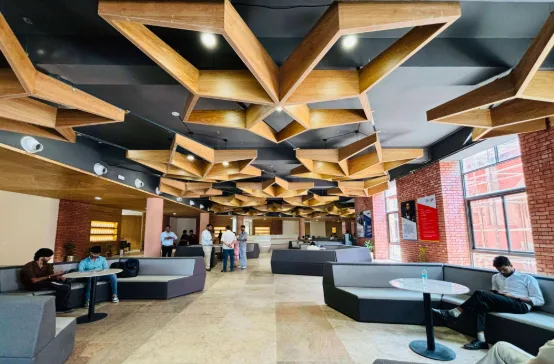
Campuses will transform into hubs for community engagement, innovation labs, and wellness centers rather than solely lecture venues. This reimagining aims to foster creativity and social cohesion in hybrid learning environments.
“The university campus in 2030 will be a living laboratory for learning and societal progress,” predicts education strategist Laura Mendel.
For students preparing to embark on their university journey, resources like Starting University: Practical Steps and Insights for a Successful Launch and Mastering University Success: Proven Strategies from Leading Experts provide invaluable guidance on navigating this evolving landscape.