Unveiling the Pulse of Progress: A 2026 Scientific Panorama
Imagine standing at the edge of a vast intellectual frontier, where every discovery redefines what is possible. In 2026, science is not merely a field of study but the dynamic engine propelling humanity toward unprecedented horizons. From quantum breakthroughs to climate innovations, the scientific endeavor continues to shape our collective destiny. This year marks a pivotal moment with the integration of artificial intelligence into experimental design, a surge in space exploration milestones, and revolutionary advances in biotechnology that challenge previous limits.
Consider the recent milestone achieved by the International Quantum Research Coalition, which announced a quantum communication network spanning three continents with error rates below 0.001%. This breakthrough promises unhackable communication, a leap forward in cybersecurity. Meanwhile, CRISPR technology has evolved into precision therapy delivering personalized gene edits with near-zero off-target effects, transforming treatment for hereditary diseases.
“Science in 2026 is no longer confined to laboratories; it permeates every aspect of society, from governance to daily life,” remarks Dr. Evelyn Chen, Director of the Global Science Initiative.
These transformative developments underscore science’s role as humanity’s boldest frontier, continuously expanding the boundaries of knowledge and application.
From Past to Present: The Evolution That Brought Us Here
The trajectory of science is a tapestry woven through centuries of inquiry, trial, and innovation. The 20th century witnessed the birth of modern physics, DNA structure discovery, and the digital revolution. However, the last decade accelerated this momentum exponentially. The 2010s and early 2020s saw the democratization of data and computational power, enabling complex simulations and big data analytics that have become foundational to modern scientific methodology.
Significant milestones include the deployment of the James Webb Space Telescope in 2021, which redefined astrophysics by providing unprecedented insights into the early universe. Simultaneously, advancements in machine learning have enhanced pattern recognition in genomics, climate modeling, and materials science.
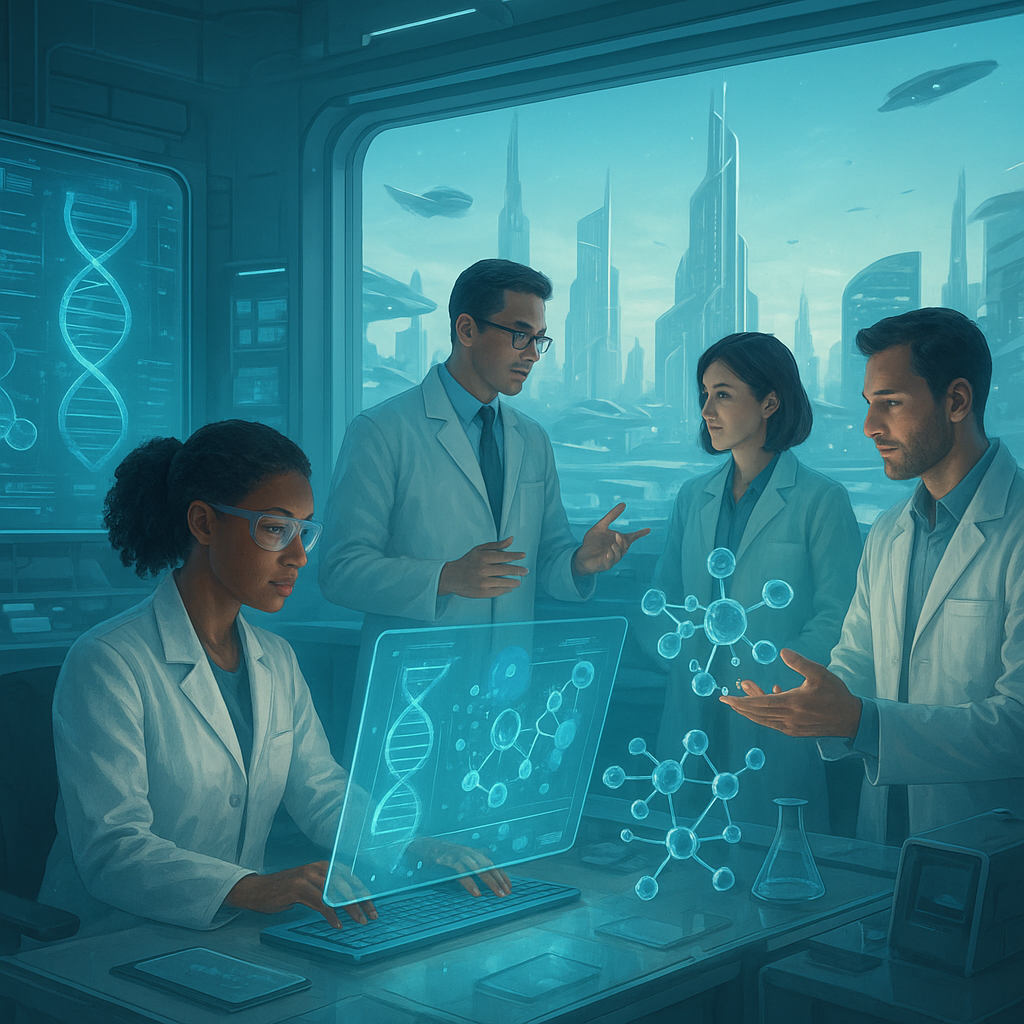
This period also highlighted the increasing interconnectedness of disciplines. Physics, biology, and computer science now converge to tackle questions once considered intractable. The emergence of synthetic biology, for example, is a direct outcome of this interdisciplinary synergy.
“Understanding the past century’s innovations is critical to appreciating today’s explosive growth in scientific capabilities,” explains Prof. Marco Santini, historian of science at the University of Rome.
Thus, 2026 finds science standing on the shoulders of giants, equipped with tools and insights unimaginable just a generation ago.
Core Innovations Reshaping Science in 2026
The foundation of contemporary science rests on several groundbreaking innovations that have catalyzed new approaches and discoveries. Here are key areas where 2026 shows marked progress:
- Quantum Technologies: Beyond communication, quantum computing is now approaching practical utility with machines surpassing 1,000 qubits. Companies like QubitTech and government labs have demonstrated quantum advantage in materials design and cryptography.
- Biotechnology and Gene Editing: The precision of CRISPR and novel base-editing tools have allowed the correction of genetic disorders in clinical trials globally, with approval pathways accelerating regulatory acceptance.
- Artificial Intelligence Integration: AI-driven experimental design is now routine. Intelligent systems autonomously generate hypotheses, design experiments, and interpret data, drastically reducing research timelines.
- Climate and Environmental Science: Advanced sensor networks combined with AI predict and mitigate extreme weather events, while breakthroughs in carbon capture materials promise scalable solutions to global emissions.
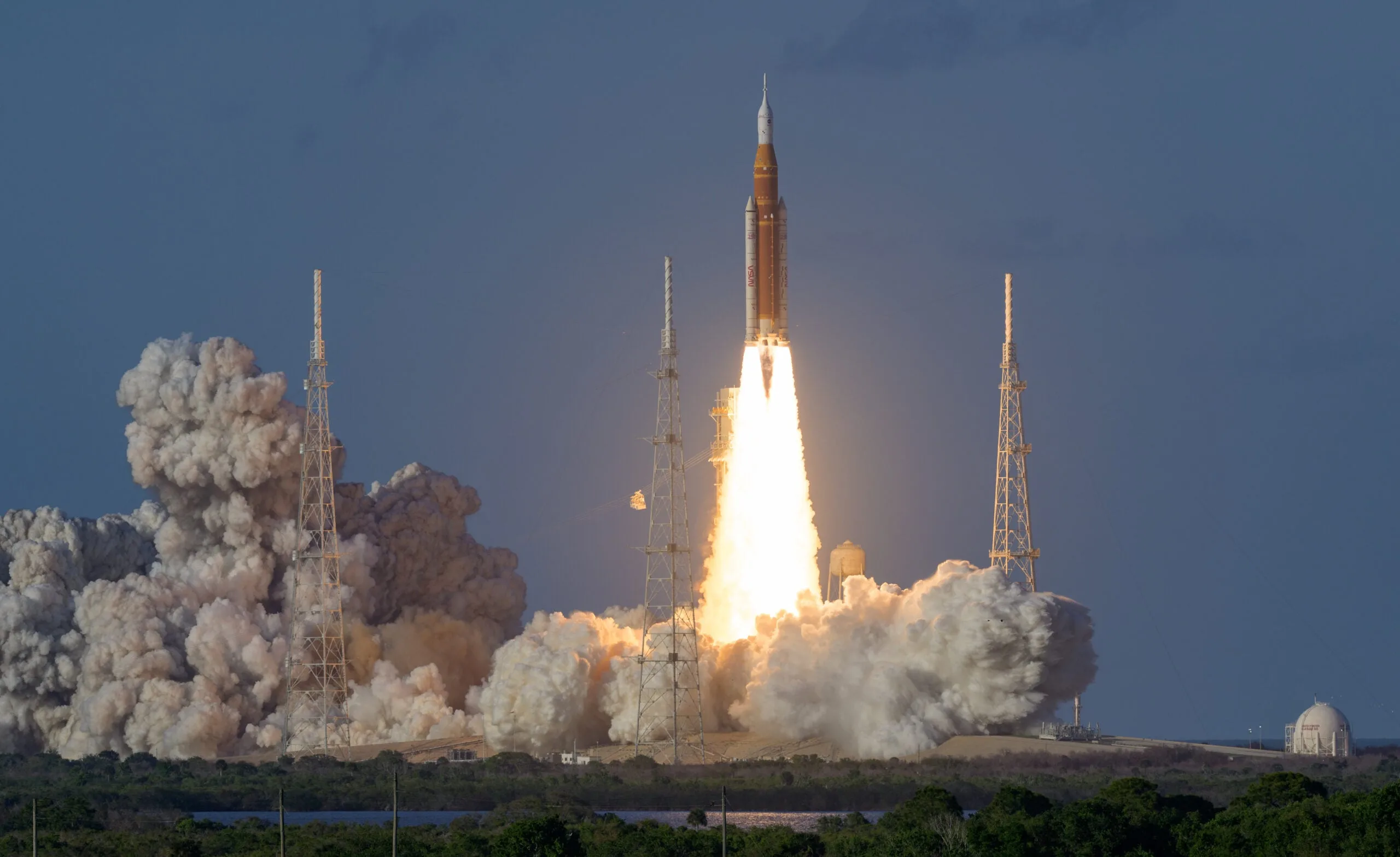
- Space Science and Exploration: The Artemis III mission successfully established the first permanent lunar outpost, facilitating long-term research and resource extraction technologies.
These domains are not isolated; their intersection produces compounded benefits, accelerating discovery and application.
- Example: AI algorithms optimize CRISPR delivery mechanisms, enhancing gene therapy efficacy.
- Example: Quantum sensors improve environmental monitoring precision.
The quantitative impact is significant: global R&D investment in science-related fields surpassed $3.2 trillion in 2025, a 15% increase from 2023, according to industry estimates.
Current Developments and Breakthroughs in 2026
This year has already witnessed remarkable scientific milestones that promise to reshape multiple sectors. Among the most notable:
- Neurological Interfaces: Brain-computer interface (BCI) technology has advanced to enable seamless communication for patients with paralysis, with companies like NeuralLink and SynapseX leading clinical implementation.
- Climate Adaptation Innovations: The deployment of genetically engineered drought-resistant crops across Sub-Saharan Africa is mitigating food insecurity amid climate challenges.
- Energy Storage Revolution: Solid-state battery technology has achieved commercial viability, offering higher energy density and safety, accelerating the electric vehicle market.
- Space Mining Initiatives: The first successful extraction of rare earth metals from near-Earth asteroids was reported by the Asteroid Resources Consortium, signaling a new era in resource acquisition.
These developments not only illustrate the rapid pace of scientific progress but also highlight the societal and economic impacts science commands today.
For readers interested in the broader implications and challenges facing science today, see our detailed analysis in Science in 2026: Breakthroughs, Challenges, and the Path Forward.
“The convergence of multiple scientific domains is creating unprecedented opportunities to solve humanity’s most pressing problems,” notes Dr. Aisha Malik, a leading futurist and technology strategist.
Expert Perspectives and Industry Impact
Leading scientists and industry experts emphasize that the current scientific landscape demands new frameworks for collaboration, ethics, and governance. The integration of AI in research has raised questions about data integrity, reproducibility, and ethical use. Similarly, gene editing’s ethical boundaries are under continuous debate, balancing innovation with societal values.
Industry sectors are adapting rapidly. Pharmaceutical and tech companies are investing heavily in AI-powered drug discovery platforms, reducing development times from years to months. Environmental firms are partnering with governments to deploy climate mitigation technologies at scale. Space agencies worldwide collaborate on lunar and Martian exploration, sharing data to reduce costs and risks.
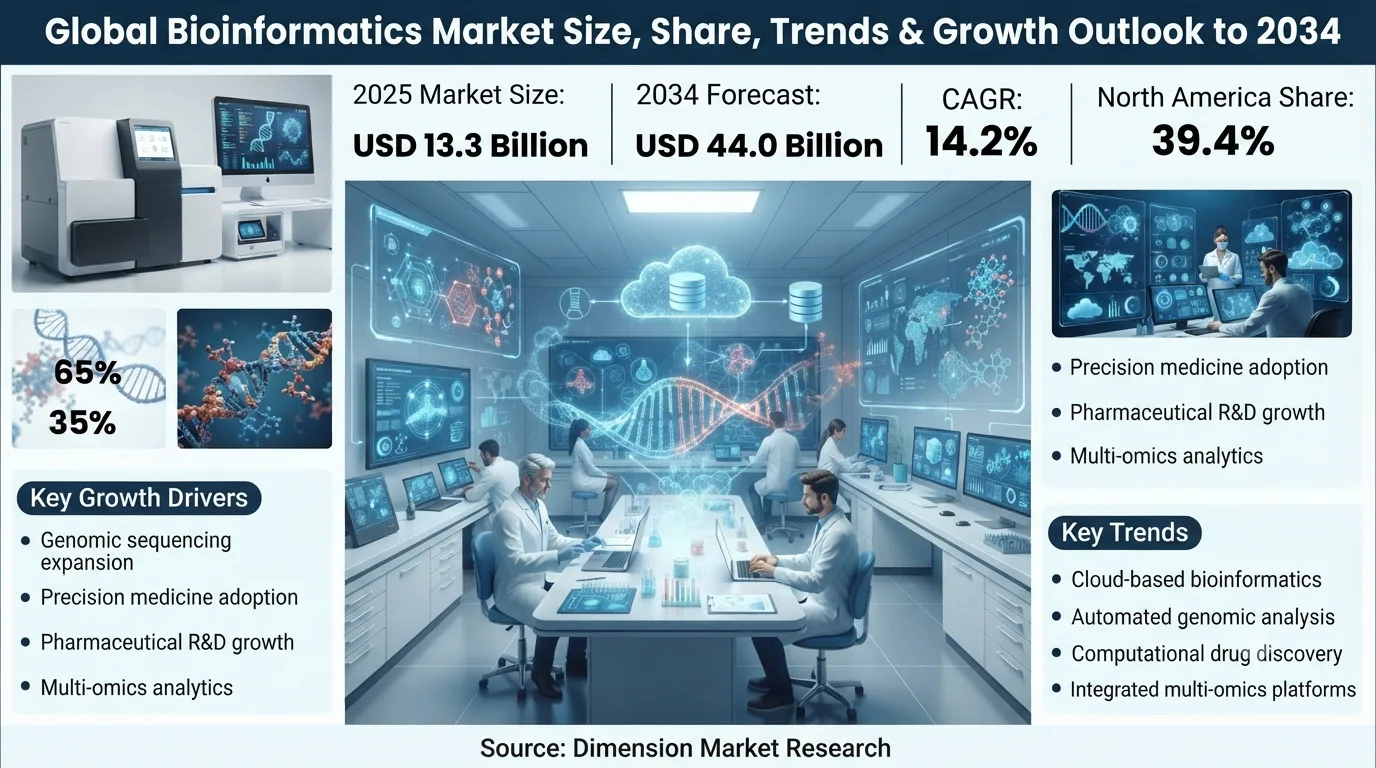
The economic ripple effects are profound. According to recent reports, the global market for AI in scientific research alone is projected to exceed $150 billion by 2028. Moreover, scientific advancements continue to drive job creation in high-tech sectors, education, and manufacturing.
In health sciences, precision medicine is becoming standard care, improving outcomes and reducing costs.
- Increased investment in STEM education globally is producing a new generation of multidisciplinary scientists.
- Public-private partnerships are accelerating technology transfer and commercialization.
The need for informed policy to govern emerging technologies is urgent, as experts advocate for frameworks that foster innovation while safeguarding ethical standards.
To explore how science influences societal structures and policy, our article How Science Shapes Our Future: Breakthroughs, Challenges, and Insights offers comprehensive insights.
Looking Ahead: The Future Trajectory of Science
As we project forward from 2026, several trends promise to define the next chapters of scientific innovation and its impact:
- Human-Machine Synergy: The expansion of hybrid intelligence systems that combine human creativity with machine precision will reshape research paradigms.
- Decentralized Science: Blockchain and open science initiatives will democratize access to data and publications, fostering global collaboration and transparency.
- Ethical Science Governance: International agreements on gene editing, AI use, and environmental interventions will become critical to managing risks and benefits.
- Space Colonization: Building upon lunar bases, Mars missions will transition from exploration to habitation, requiring new scientific disciplines focusing on extraterrestrial ecology and sustainability.
- Climate Resilience Technologies: Innovations will focus increasingly on adaptation and resilience, not just mitigation, addressing the immediate effects of global warming.
These trajectories underscore the importance of a well-informed public and leadership equipped to harness science responsibly.
“The next decades will test our ability to integrate scientific advances with ethical stewardship,” warns Dr. Luis Fernandez, chair of the International Science Policy Council.
For those tracking the evolution of scientific fitness and human vitality in this fast-changing environment, insights from Unlocking Enduring Vitality: The Science and Strategy Behind Fitness in 2026 reveal how science is also redefining personal health and longevity.
Conclusion: Embracing Science as a Catalyst for Change
The scientific enterprise in 2026 stands at a nexus of opportunity and responsibility. Its advances permeate every dimension of life, from health and environment to technology and exploration. As this article has outlined, the integration of AI, quantum technologies, and biotechnologies marks a transformative era. Yet, the future hinges on our collective ability to manage ethical challenges, foster collaboration, and maintain public trust.
Science’s boldest frontier is not a distant place but the continuous expansion of human knowledge and its application for the common good. As we embrace this frontier, the choices made today will shape the trajectory for generations to come.