
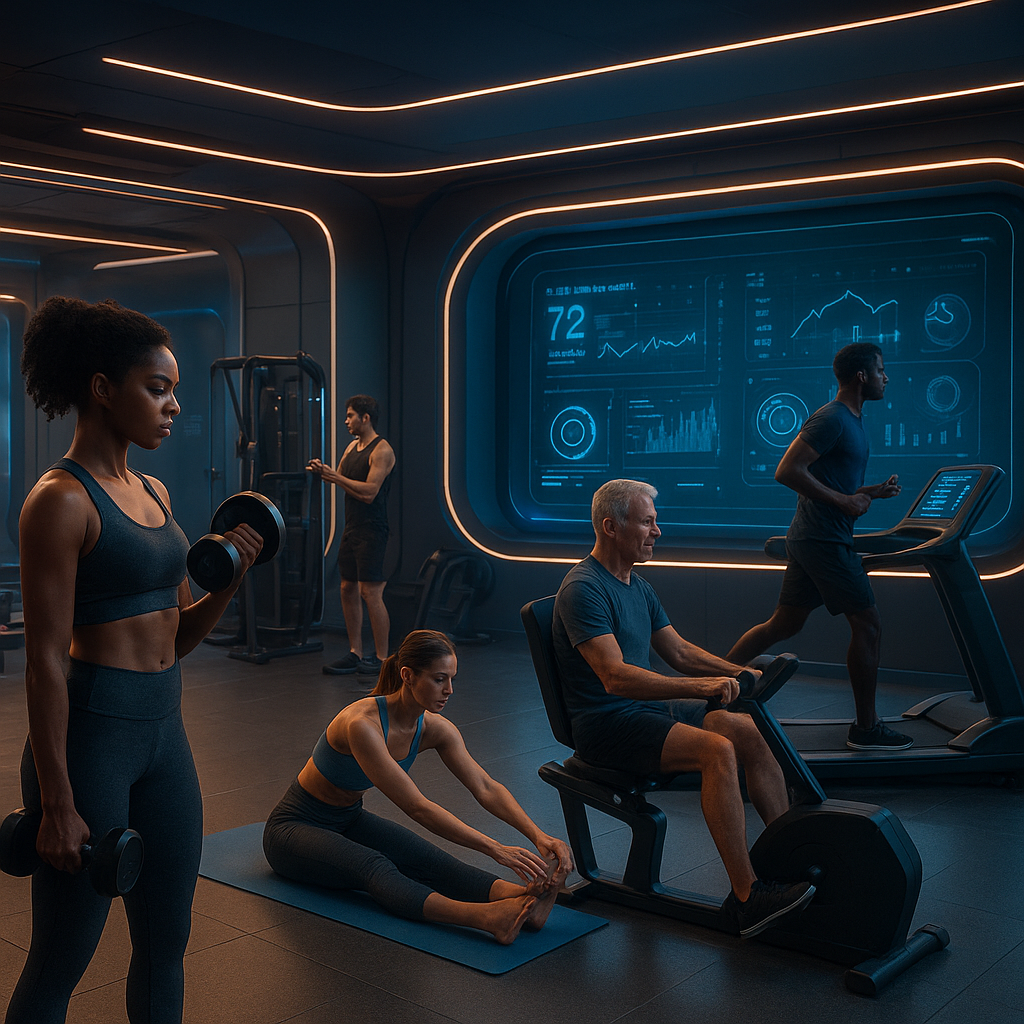
The Transformation of Fitness: A Moment in 2026
On a crisp April morning in 2026, across urban parks and suburban trails worldwide, a new generation of fitness enthusiasts laces up smart shoes embedded with biometric sensors, ready to engage in workouts tailored not only to their goals but also to their genetic makeup and real-time physiological data. The fitness landscape has evolved beyond traditional gym memberships and generic training plans to a hyper-personalized ecosystem driven by cutting-edge technology and a deeper understanding of human biology.
Recent global health surveys indicate that more than 65% of adults in developed nations engage in some form of regular physical activity, a notable increase from 52% just five years ago. Yet, despite this rise, obesity and lifestyle-related chronic diseases continue to challenge healthcare systems worldwide. This paradox underscores the complexity of fitness as a concept and practice—it's no longer just about moving more, but about moving smarter.
“Fitness is no longer a one-size-fits-all prescription. It is a complex interplay of genetics, environment, technology, and psychology.” — Dr. Maya Santoro, Exercise Physiologist
The omnipresence of wearable devices, AI-driven coaching, and immersive virtual environments is reshaping how individuals approach fitness. These innovations have enabled real-time feedback loops and adaptive programming, making exercise more effective and engaging. But as the industry embraces these advancements, questions arise about accessibility, data privacy, and the long-term impact of technology-mediated fitness.
In this comprehensive exploration, we will dissect the current state of fitness, tracing its evolution, analyzing the latest data, and forecasting future directions that promise to unlock enduring vitality for diverse populations.
Tracing the Roots: How Fitness Has Evolved Into a Science-Backed Pursuit
Fitness as a structured pursuit has ancient origins, but its modern incarnation is a relatively recent phenomenon. Historically, physical activity was embedded naturally in daily survival tasks. The Industrial Revolution marked a turning point, catalyzing sedentary lifestyles and prompting the first calls for deliberate exercise. The 20th century witnessed the rise of organized sports, gym culture, and aerobic exercise popularized by pioneers like Kenneth Cooper and Jane Fonda.
However, the scientific understanding of fitness remained rudimentary for decades. Early fitness advice relied heavily on anecdotal evidence and generalized guidelines. It wasn’t until the late 20th and early 21st centuries that exercise physiology, nutrition science, and behavioral psychology converged to create evidence-based frameworks. Landmark studies, such as the 2008 Physical Activity Guidelines for Americans, established foundational principles emphasizing frequency, intensity, time, and type (FITT) of exercise.
Advances in molecular biology and genetics in the 2010s and early 2020s further transformed fitness paradigms. Researchers began decoding how individual genetic variations influence responses to different exercise modalities. The proliferation of affordable genetic testing and the rise of personalized medicine laid the groundwork for fitness programs tailored to unique biological profiles.
Simultaneously, digital innovation accelerated fitness’s evolution. The advent of smartphones and wearables democratized access to fitness tracking. Social media platforms created communities and accountability mechanisms that motivated millions. These trends culminated in a fitness industry that blends science, technology, and social dynamics to unprecedented degrees.
“The integration of genomics and digital technology represents the most significant leap in fitness personalization since the fitness boom of the 1980s.” — Dr. Alan Cho, Genomic Fitness Researcher
Data-Driven Insights: The Metrics Defining Fitness Success in 2026
The crux of modern fitness lies in quantification. In 2026, individuals and professionals alike rely on a constellation of metrics beyond simple weight or BMI. Advanced biometrics include VO2 max, heart rate variability (HRV), muscle oxygen saturation, lactate threshold, and even stress hormone levels measured non-invasively.
According to the Global Fitness Technology Report 2026, 72% of fitness consumers use at least three biometric indicators to track progress, a significant jump from 45% in 2022. This shift reflects greater awareness that fitness adaptations are multifactorial and that relying on a single measure is insufficient.
A comparative analysis of training outcomes from 2023 to 2026 reveals:
- 20% improvement in endurance performance among users of AI-personalized training programs.
- 15% greater reductions in body fat percentage among those following genetic-guided nutrition and exercise protocols.
- 30% increase in adherence rates linked to social and gamified fitness platforms.
Moreover, the integration of machine learning algorithms enables dynamic adjustments to training load based on recovery metrics, reducing injury risk and optimizing performance gains. This data-centric approach also facilitates early detection of overtraining and burnout, which remain persistent challenges.
Nutrition has seen parallel advancements. Nutrigenomics, the study of how food interacts with genes, guides personalized dietary recommendations that enhance energy utilization, muscle synthesis, and metabolic health.
Fitness professionals now commonly employ multimodal assessments combining physical tests, wearable data, and subjective feedback to create holistic profiles. These profiles inform highly individualized regimens that optimize physical and mental health outcomes.
2026 Developments: Technology and Trends Shaping Fitness Today
This year marks an inflection point for fitness technology and cultural trends. The proliferation of immersive virtual reality (VR) and augmented reality (AR) fitness experiences has expanded access and engagement. Platforms like FitVerse and MoveSphere offer interactive classes and simulations that replicate outdoor environments or competitive events, enhancing motivation and enjoyment.
Wearable technology has advanced significantly, with devices now capable of continuous glucose monitoring, hydration status tracking, and even early detection of musculoskeletal strain through AI-driven gait analysis. These innovations empower users to make informed decisions instantly during workouts.
Corporate wellness initiatives have also flourished, with 58% of Fortune 500 companies incorporating AI-driven fitness programs into employee health benefits, a rise from 39% in 2023. This investment is driven by mounting evidence linking physical fitness to productivity, reduced absenteeism, and lower healthcare costs.
Meanwhile, fitness communities have evolved beyond traditional gyms and studios. Hybrid models combining in-person and digital engagement have become standard, with platforms fostering social connection and accountability. This hybridization supports inclusivity, allowing individuals with mobility, geographic, or scheduling constraints to participate fully.
The rise of micro-habits and short-duration high-intensity training reflects shifting consumer preferences toward efficiency without compromising effectiveness. According to a 2026 survey by the International Fitness Association, 43% of users prefer workouts under 30 minutes, emphasizing quality over quantity.
“Technology is not replacing human connection in fitness; it is enhancing it by creating more personalized and inclusive experiences.” — Sara Kim, CEO of FitVerse
These trends collectively signal a maturation of the fitness industry, moving from mass-market, generic solutions to nuanced, user-centered experiences that address diverse needs and lifestyles.
Expert Perspectives: The Industry’s Response to Modern Fitness Challenges
Industry leaders and experts have weighed in on the opportunities and challenges ushered in by these changes. Dr. Ravi Patel, Director of the Center for Integrative Fitness Research, emphasizes the importance of equity and ethical considerations in fitness innovation.
“As we develop more sophisticated tools, we must ensure they are accessible to underserved populations and protect user privacy. The promise of personalized fitness must not widen health disparities,” Patel argues.
From the business perspective, companies are increasingly investing in AI ethics and data security to build consumer trust. The 2025 Fitness Tech Summit highlighted initiatives aimed at transparent data use and opt-in personalization models.
Meanwhile, mental health integration within fitness programs is gaining traction. Experts recognize the bidirectional relationship between physical activity and psychological well-being. Programs now routinely incorporate mindfulness, stress management, and sleep optimization.
Training certifications have expanded to include digital literacy and bioinformatics to equip professionals for the demands of 2026 fitness ecosystems. This evolution enhances the quality of guidance clients receive, bridging the gap between technology and human expertise.
“Fitness professionals today are not just trainers; they are data interpreters, behavioral coaches, and wellness strategists.” — Elena Garcia, Master Trainer and Educator
Looking Ahead: What the Future Holds for Fitness Enthusiasts
Forecasting fitness’s trajectory involves anticipating technological advances, societal shifts, and emerging scientific discoveries. Key areas to watch include:
- Integration of AI with genomics and microbiome data: This will enable ultra-personalized regimens that adapt dynamically to an individual’s internal ecosystem.
- Expansion of biofeedback wearables: Devices will become less intrusive while delivering richer data, including neural activity and emotional states.
- Growth of decentralized fitness communities: Blockchain-based platforms may empower users with ownership of their fitness data and rewards systems.
- Focus on longevity and functional fitness: Programs designed to preserve mobility and quality of life into advanced age will become mainstream.
- Environmental fitness: Increased emphasis on outdoor activities that promote environmental stewardship and mental restoration.
For individuals, the takeaway is clear: fitness in 2026 and beyond is a lifelong journey supported by an expanding toolkit of science and technology. Success will depend on embracing a holistic approach that balances physical health, mental resilience, and social connection.
Those interested in the broader context of health innovation might find the article Health in 2026: Innovations, Challenges, and the Road Ahead particularly illuminating. Likewise, exploring how digital tools reshape engagement through Why Social Media’s Next Chapter Is Redefining Digital Engagement offers a complementary perspective on fitness communities and motivation.
Ultimately, fitness is more than physical exertion—it is an evolving science and social phenomenon that reflects our deepest aspirations for health, vitality, and connection in a rapidly changing world.