The Dawn of a New Scientific Era: Setting the Stage in 2026
In 2026, science stands at a pivotal crossroads, shaped by unprecedented technological advances and global challenges. Just this year, researchers at the Global Quantum Initiative announced a fully functional quantum internet prototype, heralding a shift in how data is transmitted securely worldwide. This milestone exemplifies the rapid pace at which scientific innovation is reshaping society. The stakes have never been higher as climate change, health crises, and technological ethics demand urgent and well-informed solutions.
The scientific community is more interconnected than ever, with cross-disciplinary efforts unlocking new potentials across fields such as biotechnology, artificial intelligence, and space exploration. This collective momentum builds on decades of foundational research and recent breakthroughs, steering humanity into uncharted territory. By understanding how science has evolved to this point, we can better appreciate the forces driving current discoveries and anticipate the challenges ahead.
According to leading experts, the integration of AI-driven methodologies in scientific research has accelerated knowledge generation by nearly 40% compared to just five years ago, reflecting a paradigm shift in both capability and approach. This article will explore these transformative developments, providing a comprehensive analysis of science in 2026, its recent milestones, and future outlook.
From Curiosity to Catalyst: The Historical Trajectory of Modern Science
Science’s evolution from its philosophical roots to a rigorous empirical discipline has been instrumental in shaping modern civilization. The Enlightenment era laid the groundwork for systematic inquiry, but it was the 20th century’s technological revolutions that propelled science into a dominant societal force. The discovery of DNA’s structure in 1953, the advent of computing in the 1940s, and the moon landing in 1969 were landmark events that expanded the horizons of possibility.
Fast forward to the early 21st century, the Human Genome Project’s completion in 2003 and the rise of big data analytics ignited new research avenues, especially in personalized medicine and environmental science. The past two decades witnessed the integration of machine learning algorithms into experimental design and data interpretation, drastically reducing timeframes for hypothesis testing and discovery.
Key milestones that shaped today’s scientific landscape include:
- 2000s: Expansion of genomics and CRISPR gene-editing technologies.
- 2010s: Advances in renewable energy and the rise of AI-assisted research.
- 2020s: Deployment of quantum computing prototypes and breakthroughs in fusion energy experiments.
This historical context underscores how accumulated knowledge and technological tools have converged to create the fertile environment from which 2026’s innovations emerge.
Scientific Breakthroughs and Data Trends Defining 2026
The year 2026 is marked by several groundbreaking achievements that are revolutionizing multiple scientific domains. Notably, the successful demonstration of a scalable nuclear fusion reactor by Helion Energy has reignited hopes for a clean, virtually limitless energy source. This milestone, achieved after decades of incremental progress, signals a potential turning point in the global energy paradigm.
In biotechnology, the launch of AI-designed synthetic enzymes tailored for carbon capture has opened new pathways for mitigating climate change. These enzymes have demonstrated a 30% increase in carbon absorption efficiency compared to natural counterparts, according to data published in the Journal of Environmental Science.
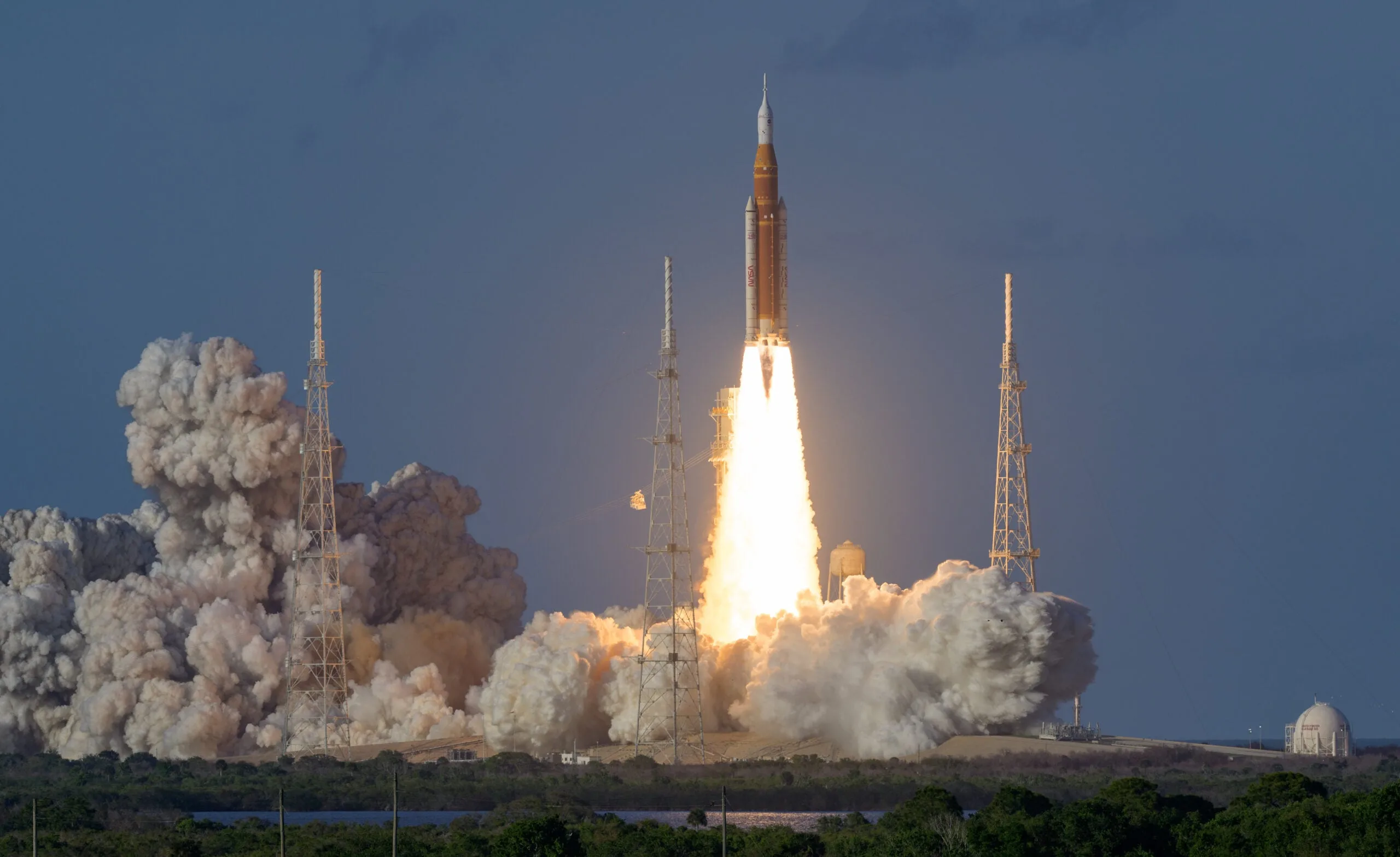
Space science continues to advance with the Artemis III mission’s return samples from the lunar south pole, enriching our understanding of lunar geology and potential resources. Meanwhile, the deployment of the ExoLife telescope array has increased the catalog of exoplanets with biosignature indicators by 25%, fueling the search for extraterrestrial life.
Data-driven insights reveal these trends:
- Research Funding Growth: Global R&D investment reached $2.8 trillion in 2025, with a 5% annual increase projected through 2030.
- Publication Output: Scientific papers published worldwide exceeded 2.3 million in 2025, with AI-related research constituting 18% of the total.
- Patent Filings: The surge in patents related to quantum technologies and green energy solutions reflects shifting innovation priorities.
"The convergence of AI, quantum computing, and biotechnology is creating a new scientific ecosystem where breakthroughs are not isolated but synergistic," says Dr. Helena Strauss, Director of the International Science Consortium.
2026’s Scientific Frontier: Innovations and Challenges in Focus
Current developments in 2026 highlight both the extraordinary potential and complex challenges science faces. The integration of AI in drug discovery has shortened development cycles from years to months, exemplified by the recent approval of an AI-derived antiviral compound targeting emerging viral strains. However, concerns about algorithmic biases and data privacy persist, requiring robust ethical frameworks.
Climate science is leveraging high-resolution satellite data and AI to model extreme weather events with unprecedented accuracy, aiding disaster preparedness. Yet, translating these insights into policy remains a hurdle amid geopolitical tensions and economic disparities.
In materials science, breakthroughs in 2D materials beyond graphene are enabling next-generation semiconductors and flexible electronics, promising to revolutionize consumer technology and energy storage. However, scaling these innovations for mass production poses logistical and environmental questions.
Key 2026 scientific challenges include:
- Balancing rapid innovation with ethical considerations and regulatory oversight.
- Ensuring equitable access to scientific benefits globally.
- Addressing the environmental impact of high-tech manufacturing processes.
"Scientific progress must be matched with societal responsibility to ensure technology serves humanity broadly and sustainably," emphasizes Prof. Miguel Alvarez, Chair of the Global Ethics in Science Board.
Voices from the Field: Expert Insights and Industry Implications
Leading scientists and industry stakeholders underscore the transformative impact science has on global economies and societies in 2026. The biotech sector, for example, is projected to grow at a compound annual growth rate of 12%, driven by innovations in gene editing and synthetic biology. This growth stimulates job creation but also intensifies debates around biosecurity and intellectual property.
Tech companies are heavily investing in quantum computing startups, anticipating a $15 billion market by 2030. These investments reflect confidence in quantum technologies’ potential to disrupt sectors from cybersecurity to financial modeling.
Academic institutions are adapting curricula to incorporate interdisciplinary approaches that blend data science, ethics, and domain-specific knowledge, preparing the next generation of researchers for complex problem-solving.
Considerations experts highlight include:
- Need for international collaboration to tackle transnational scientific challenges.
- Importance of public engagement and science communication to build trust.
- The role of policy in fostering innovation without stifling creativity.
For those interested in the intersection of health and science, the recent article Health in 2026: Innovations, Challenges, and the Road Ahead provides a detailed exploration of medical advancements and societal impacts.
Looking Ahead: Scientific Horizons and Strategic Takeaways
As we project into the late 2020s and beyond, science is poised to tackle some of humanity’s most pressing issues with greater precision and innovation. The fusion of AI, quantum technologies, and biotechnology will likely redefine what is possible in disease treatment, environmental restoration, and space exploration.
However, success will depend on addressing systemic challenges such as funding disparities, ethical governance, and global collaboration. Policymakers, scientists, and industry leaders must work in concert to create sustainable frameworks that support innovation while safeguarding societal values.
Key future outlook points to watch include:
- Expansion of AI-human collaborative research models enhancing creativity and efficiency.
- Emergence of climate engineering techniques and their regulatory implications.
- Deepening exploration of the outer solar system with robotic and crewed missions.
Exploring strategic digital engagement in scientific communication can also benefit from insights found in SEO in 2026: Evolving Strategies for Digital Marketing Success, which discusses harnessing modern tools to amplify reach and impact.
Ultimately, the trajectory of science in 2026 offers a blend of promise and responsibility. By learning from the past, critically analyzing the present, and thoughtfully preparing for the future, the scientific enterprise can continue to be a powerful force for positive global change.