Opening the Doors to the New Scientific Era
On a brisk morning in April 2026, the world's largest quantum computing facility in Zurich announced a breakthrough that could revolutionize drug discovery: a quantum algorithm that simulates molecular interactions with unprecedented accuracy. This milestone exemplifies how science continually reshapes our understanding and capabilities, driving innovations that ripple through society. Science, in its many forms, is no longer confined to laboratories or academia; it is woven into the fabric of daily life, influencing industries, policy, and cultural norms.
The story of science is one of relentless inquiry and adaptation. From unraveling the mysteries of the cosmos to decoding the human genome, science fuels progress. Yet, with rapid advancements come complex challenges — ethical questions, environmental concerns, and equitable access to technology. This article explores the multifaceted nature of science in 2026, examining key breakthroughs, the evolving landscape, and what lies ahead.
"Science is both a tool and a language — it empowers us to ask bold questions and seek transformative answers." — Dr. Helena Forsythe, Director of the International Science Council
Tracing the Trajectory: Context and Foundations
Understanding the present state of science requires a look back at the pivotal developments that set the stage. The 21st century saw an explosion of data availability, computational power, and interdisciplinary collaboration. The Human Genome Project completed in the early 2000s laid the groundwork for precision medicine, while advances in materials science enabled the rise of nanotechnology.
Scientific inquiry grew increasingly globalized, with emerging economies investing heavily in research and development. China, India, and Brazil became major contributors to scientific publications and patents. The rise of artificial intelligence (AI) and machine learning transformed data analysis, accelerating discovery cycles across fields.
At the same time, public trust in science faced hurdles due to misinformation and politicization of issues like climate change and vaccination. The COVID-19 pandemic underscored science's critical role but also highlighted communication gaps and societal divisions. This duality shaped efforts to enhance science literacy and transparency.
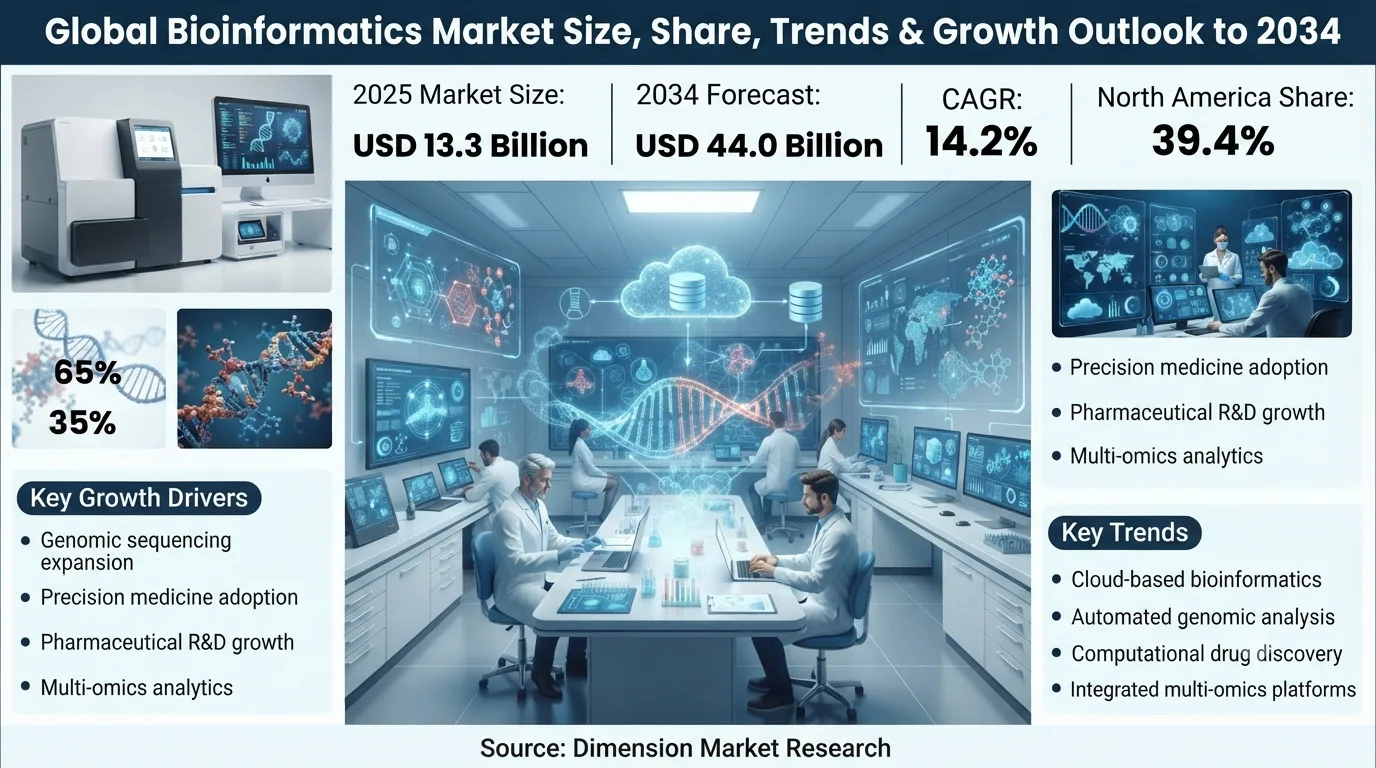
- Early 2000s: Genome sequencing and bioinformatics revolutionize biology.
- 2010s: AI integration in research accelerates data-driven discovery.
- 2020s: Climate science informs policy amid growing environmental crises.
- 2025–2026: Quantum computing and synthetic biology reach new frontiers.
Core Analysis: Data-Driven Breakthroughs and Trends
Examining recent data reveals significant shifts in scientific fields and their societal impact. According to the Global Science Report 2026, worldwide R&D expenditure reached $3.4 trillion, a 7% increase from 2025, with an emphasis on sustainability, health, and digital technologies.
Key domains demonstrating rapid progress include:
- Quantum Technologies: Investments soared by 15% in 2025, driven by breakthroughs in error correction and scalable architectures. Companies like Qubitix and international consortia have demonstrated quantum advantage in logistics optimization.
- Biotechnology: Synthetic biology innovations enabled custom enzyme production, reducing industrial waste by 22% globally. CRISPR-based therapies for rare diseases advanced through late-stage clinical trials.
- Climate Science: Enhanced satellite networks and AI modeling improved climate prediction accuracy by 30%, aiding policymakers in crafting adaptive strategies.
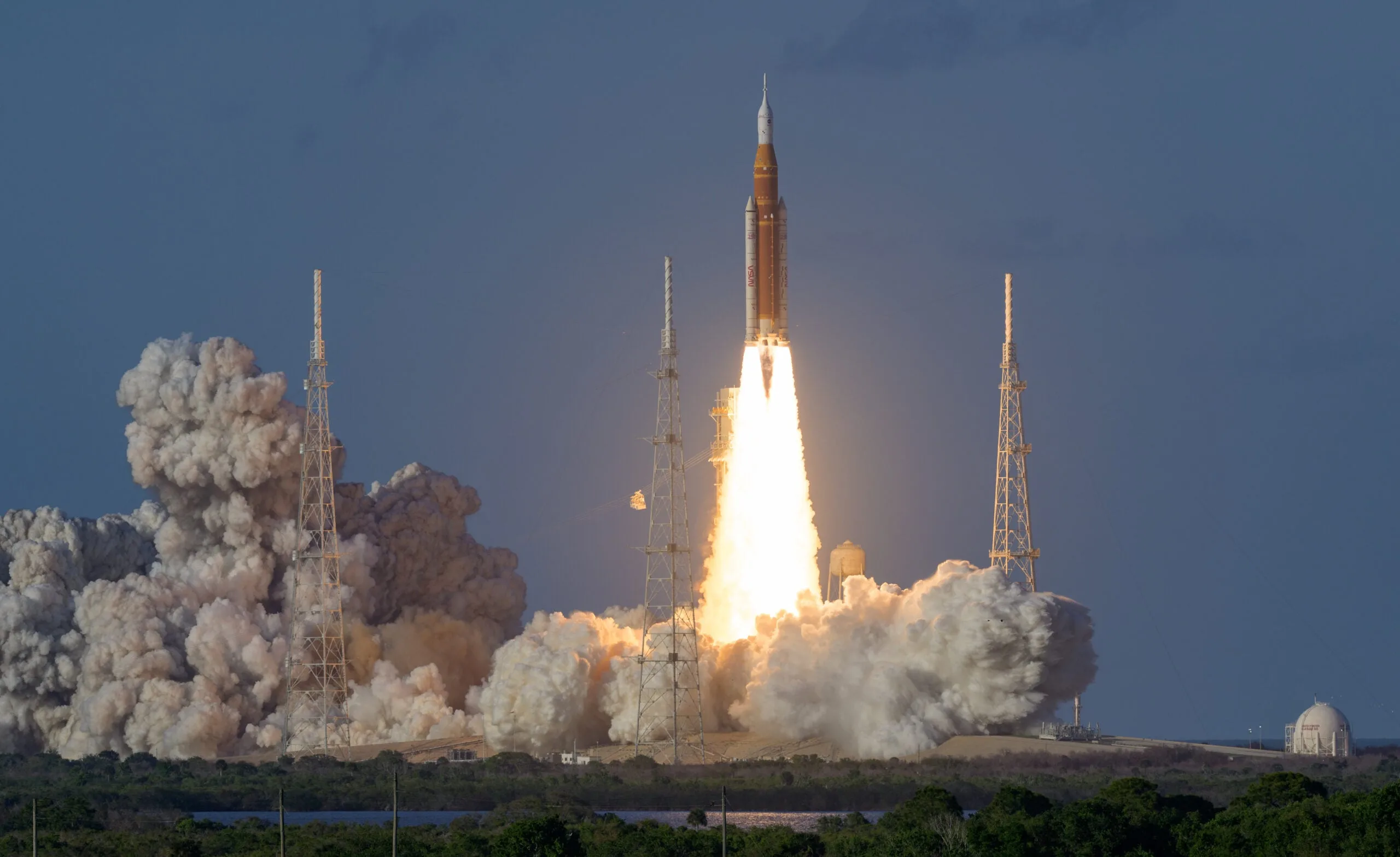
- Space Exploration: The Artemis III mission returned samples from lunar polar regions, providing insights into water ice distribution and potential human habitation.
Meanwhile, interdisciplinary research flourishes, exemplified by the convergence of neuroscience and AI to develop brain-computer interfaces that may transform accessibility for disabled individuals.
"The integration of diverse scientific disciplines is unlocking solutions once deemed impossible." — Prof. Rajiv Menon, Chair of the Global Scientific Advisory Board
Current Developments in 2026: The Science Landscape Today
As of mid-2026, science is characterized by an acceleration of transformative technologies and a growing emphasis on ethical frameworks. Governments and private sectors are increasingly collaborating on large-scale projects, including the Global Clean Energy Initiative, aimed at achieving carbon neutrality by 2040.
Biomedical research is experiencing a renaissance aided by AI-powered diagnostics. The FDA approved over 50 AI-based medical devices in the past year alone, revolutionizing early disease detection. Furthermore, the deployment of digital twins in healthcare—virtual replicas of patients—allows personalized treatment simulations, reducing adverse effects and improving outcomes.
In environmental science, geoengineering experiments have cautiously restarted under international oversight, exploring solar radiation management with rigorous risk assessments. Meanwhile, the rise of citizen science platforms has democratized data collection, engaging millions worldwide in biodiversity monitoring and public health surveillance.
Emerging ethical debates focus on AI autonomy, gene editing boundaries, and data privacy. The recent formation of the Global Science Ethics Consortium reflects a commitment to harmonizing standards and fostering responsible innovation.
- Global Clean Energy Initiative funded with $150 billion over five years.
- AI-assisted diagnostics reduced diagnostic errors by 18% in clinical trials.
- Geoengineering pilot projects initiated in controlled environments.
- Citizen science participation increased by 40% compared to 2024.
Expert Perspectives and Industry Impacts
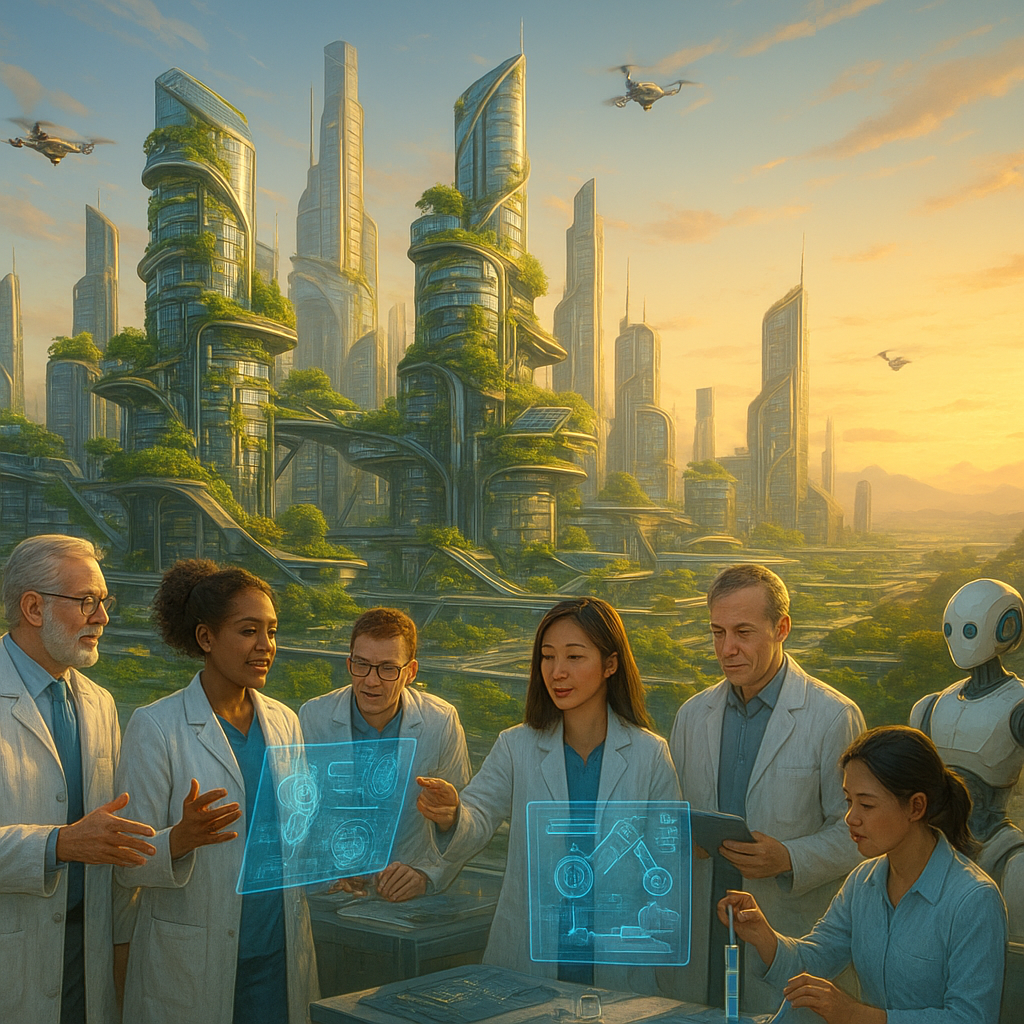
Leading scientists and industry leaders emphasize science’s dual role as an engine of economic growth and a moral compass for society. Dr. Amina Chowdhury, CEO of BioTech Horizons, notes that "innovation without inclusivity risks exacerbating inequalities." This sentiment drives initiatives to bridge gaps in STEM education and research funding across regions.
Industries are reshaping their R&D strategies to prioritize sustainability and social responsibility. For instance, the materials sector is adopting circular economy principles, developing biodegradable composites and recycling technologies. The energy industry’s pivot to renewables is underpinned by advances in battery storage and grid management technologies.
Corporate-academic partnerships have become the norm, with companies investing in university research hubs to accelerate innovation while nurturing talent pipelines. The tech sector’s commitment to open science platforms facilitates rapid dissemination and replication of findings, fostering transparency.
Industry leaders highlight several strategic priorities:
- Enhancing interdisciplinary collaboration for complex problem-solving.
- Implementing robust data governance and ethical standards.
- Expanding access to scientific education and participation globally.
- Accelerating translation of research into scalable solutions.
"The future of science depends on embracing diversity—not just of ideas, but of people and perspectives." — Dr. Miguel Torres, Chief Innovation Officer, TechNova
Looking Ahead: What to Watch in Science’s Trajectory
Looking forward, the trajectory of science is poised to be shaped by several critical factors. The integration of AI and human cognition will deepen, potentially redefining creativity and problem-solving. Quantum internet development is underway, promising ultra-secure communications and new computing paradigms.
Climate science will remain a priority, with adaptive technologies and nature-based solutions gaining prominence. The ethical governance of emerging technologies will be tested as gene drives, autonomous systems, and synthetic life forms become more prevalent.
Education and public engagement will be pivotal. Enhancing science literacy and combating misinformation require innovative approaches, leveraging immersive technologies such as augmented reality to create experiential learning environments. This aligns with insights from Mastering Study Strategies, which underscores the role of technology in effective learning.
Moreover, the ongoing pursuit of scientific rigor and reproducibility will strengthen trust and credibility, essential for societal support. As highlighted in our analysis of the scientific community’s evolution in Science in 2026: Breakthroughs, Challenges, and the Path Forward, the next decade offers unparalleled opportunities and responsibilities.
- Widespread adoption of brain-computer interfaces in healthcare and communication.
- Deployment of quantum internet infrastructure in select regions.
- Global consensus on ethical frameworks for gene editing technologies.
- Immersive science education platforms reaching over 100 million learners worldwide.
Case Studies: Real-World Scientific Impact
To illustrate science’s tangible benefits, consider the following examples:
- Precision Oncology in Japan: The National Cancer Center implemented AI-driven genomic profiling that enabled individualized treatment plans. Patient survival rates improved by 25% within three years, setting a new standard for cancer care.
- Smart Agriculture in Kenya: Combining satellite imaging with IoT sensors, farmers optimized water usage and crop yields. Food security enhanced for over 2 million people, demonstrating science’s role in addressing global challenges.
- Energy Storage Breakthrough in Germany: A novel solid-state battery developed by Fraunhofer Institute doubled energy density while halving production costs, accelerating electric vehicle adoption.
These cases underscore the spectrum of scientific applications from healthcare to environmental management and industry. They also highlight the importance of cross-sector cooperation and sustained investment.
Science remains a dynamic force — not merely an accumulation of knowledge but a catalyst for societal transformation. As we chart the road ahead, recognizing the interplay between innovation, ethics, and inclusivity will be key to harnessing science’s full potential.