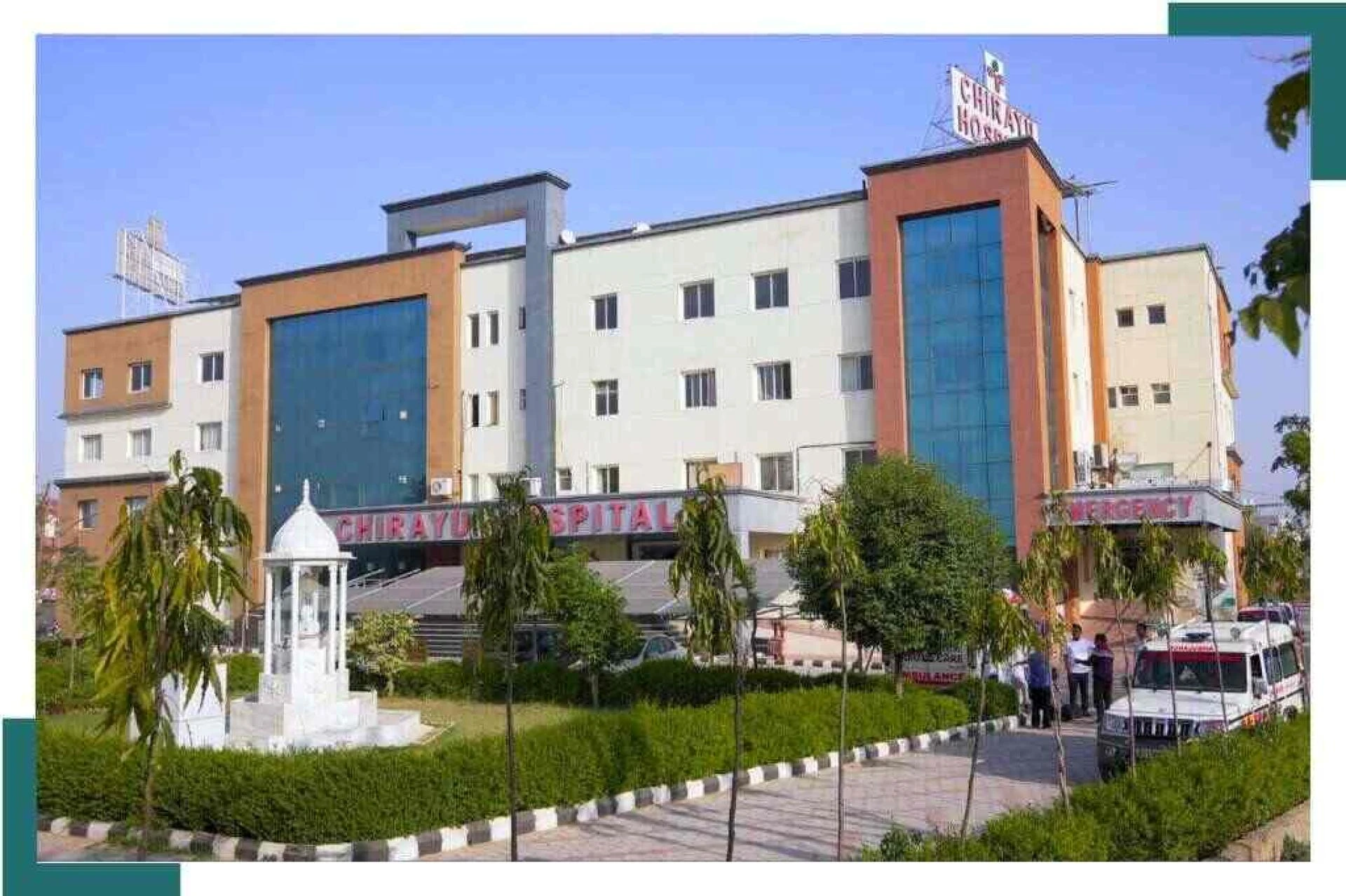
When it comes to digestive health, getting the right diagnosis is the foundation of effective treatment. Many patients struggle with issues like persistent acidity, bloating, constipation, ulcers, or even more serious conditions like inflammatory bowel disease (IBD) and liver disorders. In such cases, choosing the best gastrology Hospital in Jaipur can make all the difference — not just for treatment, but for peace of mind. Modern gastrology hospitals combine expert doctors with cutting-edge diagnostic technology to ensure that no symptom is overlooked and every condition is accurately identified.
Why Accurate Diagnosis Matters in Gastrology
Digestive disorders often present with overlapping symptoms, making it challenging to pinpoint the exact cause without advanced testing. For example, abdominal pain could be due to gastritis, gallstones, or irritable bowel syndrome (IBS) — each requiring a different treatment approach. Without accurate diagnosis, treatment can be delayed, ineffective, or even harmful.
Gastrology hospitals now use a range of state-of-the-art tools to ensure early detection and precise identification of issues. This proactive approach not only speeds up recovery but also helps prevent complications that may arise from untreated digestive conditions.
Key Diagnostic Technologies Used in Modern Gastrology
- Endoscopy and Colonoscopy
- These are among the most common diagnostic procedures in gastrology. An endoscopy allows doctors to view the upper digestive tract, while a colonoscopy examines the large intestine. Both procedures are minimally invasive and provide real-time visuals, enabling doctors to detect ulcers, polyps, inflammation, and even early-stage cancer.
- Ultrasound and Advanced Imaging
- Abdominal ultrasounds, CT scans, and MRI imaging help visualize internal organs and detect problems such as gallstones, liver disease, or tumors. High-resolution imaging is especially useful for patients with complex or unclear symptoms.
- Liver Function Tests (LFTs) and Biopsy
- For patients showing signs of jaundice, fatigue, or unexplained weight loss, liver function tests can assess organ health. In some cases, a biopsy may be recommended to check for hepatitis, cirrhosis, or liver cancer.
- Breath Tests and Motility Studies
- These tests help diagnose lactose intolerance, bacterial overgrowth, and motility disorders — conditions that may otherwise go undetected without specialized evaluation.
The Role of Expert Specialists
While technology plays a major role, the human expertise behind these tools is equally important. Gastroenterologists interpret test results in the context of a patient’s medical history, lifestyle, and symptoms. Their experience ensures that the diagnosis is not just accurate, but also tailored to the patient’s needs.
A multidisciplinary approach where gastroenterologists work closely with dietitians, radiologists, and surgeons ensures comprehensive care. This teamwork allows patients to receive not only correct diagnoses but also personalized treatment plans that include medication, dietary guidance, and, if necessary, surgical intervention.
From Diagnosis to Treatment — The Patient Journey
The process begins with a detailed consultation where the doctor gathers information about symptoms, diet, and medical history. Next, diagnostic tests are recommended to confirm the suspected condition. Once the results are ready, the specialist discusses the findings with the patient, explaining the nature of the problem, treatment options, and possible lifestyle changes.
Midway through this journey, the choice of the best gastrology Hospital in Jaipur becomes even more important — as timely intervention can significantly improve recovery rates. Patients benefit from advanced facilities, in-house labs, and specialist availability, all of which reduce delays in diagnosis and treatment.
Preventive Care in Gastrology Hospitals
Modern gastrology isn’t just about treating diseases — it’s also about preventing them. Many hospitals offer routine health check-ups, especially for people at higher risk of gastrointestinal disorders, such as those with a family history of colon cancer, chronic acidity, or liver problems.
Preventive screenings like colonoscopies, liver scans, and blood tests can detect early signs of disease, allowing for treatment before symptoms become severe. Lifestyle counseling, diet plans, and stress management programs further support long-term digestive health.
How Advanced Diagnostics Improve Patient Outcomes
The integration of advanced diagnostics into gastrology care has transformed patient outcomes in several ways:
- Faster diagnosis — reducing anxiety and uncertainty.
- Early detection — catching conditions before they worsen.
- Targeted treatment — avoiding unnecessary medications or surgeries.
- Better recovery rates — thanks to accurate and timely care.
Patients today are more informed and proactive about their health, and hospitals are meeting this demand with patient-centered diagnostic and treatment approaches.
Final Thoughts
Digestive health is closely tied to overall well-being, and ignoring symptoms can lead to serious complications. By choosing the best gastrology Hospital in Jaipur, patients gain access to both skilled specialists and the latest diagnostic technologies, ensuring that every symptom is investigated thoroughly and every treatment is based on accurate findings. Whether it’s a simple case of acidity or a complex liver disorder, advanced diagnostics give patients the best chance at a healthy, comfortable life.