
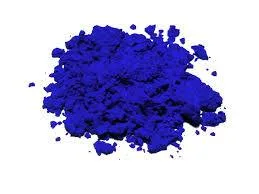
In the highly competitive plastics industry, achieving the perfect color, brightness, and finish is essential for product quality and market appeal. Among various pigments used in plastic manufacturing, Ultramarine Blue has become a preferred choice for PVC products due to its excellent color performance, stability, and cost-effectiveness.
PVC, or polyvinyl chloride, is widely used in pipes, cables, packaging materials, flooring, sheets, footwear, and construction products. Manufacturers require pigments that can withstand processing temperatures, maintain color consistency, and improve the final product appearance. This is where ultramarine blue plays a significant role.
This blog explores why manufacturers across industries prefer ultramarine blue for PVC applications and how it enhances product quality and production efficiency.
What is Ultramarine Blue?
Ultramarine Blue is a synthetic inorganic pigment known for its vibrant blue shade and excellent whitening properties. It is widely used in plastics, paints, inks, detergents, rubber, textiles, and cosmetics.
Unlike many organic pigments, ultramarine blue offers high thermal stability and excellent dispersion, making it highly suitable for PVC processing applications.
Importance of Pigments in PVC Manufacturing
PVC products require pigments not only for coloration but also for improving aesthetics and maintaining consistency during manufacturing. The right pigment helps manufacturers achieve:
- Uniform color distribution
- Enhanced brightness and whiteness
- Heat resistance during processing
- UV stability for outdoor applications
- Long-lasting product appearance
- Cost-effective production
Since PVC products are often exposed to sunlight, heat, moisture, and chemicals, manufacturers need pigments that perform reliably under demanding conditions.
Why Ultramarine Blue is Preferred for PVC Products
1. Excellent Whitening Effect
One of the primary reasons manufacturers use ultramarine blue in PVC products is its superior whitening effect. It neutralizes yellowish tones that commonly appear in PVC during processing.
This optical brightening effect helps manufacturers produce cleaner and brighter white PVC products such as:
- PVC pipes
- Window profiles
- PVC sheets
- Cable insulation
- Flooring materials
The pigment creates a visually appealing finish without affecting the material’s structural properties.
2. High Heat Stability
PVC manufacturing involves high-temperature processing methods such as extrusion, molding, and calendaring. Many pigments lose color strength or degrade under such conditions.
Ultramarine Blue offers excellent thermal stability, allowing it to maintain its shade and performance during PVC processing. This stability helps manufacturers reduce color variation and production defects.
As a result, manufacturers can maintain consistent product quality even during large-scale production runs.
3. Uniform Dispersion in PVC Compounds
Good pigment dispersion is critical in plastic manufacturing. Poor dispersion can cause streaks, uneven coloration, and surface defects.
Ultramarine blue disperses uniformly in PVC compounds, ensuring smooth and even coloration throughout the product. This helps manufacturers improve the appearance and finish of final PVC products.
Better dispersion also minimizes material wastage and improves manufacturing efficiency.
4. Cost-Effective Solution
Manufacturers prefer pigments that provide strong performance while remaining economical. Ultramarine blue delivers excellent tinting strength even in small quantities, making it a cost-effective option for PVC manufacturers.
Its efficiency allows producers to achieve desired brightness and coloration without excessive pigment usage, helping reduce overall production costs.
For industries producing high volumes of PVC goods, this cost advantage becomes highly valuable.
5. Chemical Resistance
PVC products are often exposed to chemicals, oils, detergents, and environmental pollutants. Pigments used in such products must resist chemical reactions that may affect color quality.
Ultramarine Blue performs well in many PVC applications due to its stable inorganic composition. It helps maintain product appearance and color integrity over time.
This makes it suitable for industrial and construction-related PVC applications.
6. Environmentally Safer Alternative
As industries move toward environmentally responsible manufacturing, manufacturers are increasingly choosing safer pigment solutions.
Ultramarine blue is free from heavy metals commonly found in some traditional blue pigments. This makes it a preferred choice for manufacturers seeking safer and more sustainable pigment options for PVC products.
Its lower environmental impact also supports compliance with international quality and safety standards.
7. UV and Weather Resistance
Outdoor PVC applications require pigments that can withstand sunlight and weather exposure without fading.
Ultramarine blue offers good resistance to UV exposure and environmental conditions, making it suitable for products such as:
- Outdoor PVC panels
- Roofing sheets
- PVC fencing
- Construction materials
- Exterior decorative products
This durability helps manufacturers deliver longer-lasting products with stable color performance.
Applications of Ultramarine Blue in PVC Industry
Ultramarine Blue is widely used in different PVC applications, including:
PVC Pipes and Fittings
Used to improve whiteness and appearance in plumbing and industrial pipe systems.
Cable Insulation
Provides stable coloration and enhances product aesthetics in electrical cables.
PVC Footwear
Used in shoe soles and footwear materials for consistent color quality.
PVC Sheets and Films
Improves brightness and visual appeal in packaging and decorative sheets.
Window Profiles and Panels
Helps achieve clean white finishes for construction applications.
Factors Manufacturers Consider While Selecting Ultramarine Blue
When choosing ultramarine blue for PVC products, manufacturers usually evaluate:
- Particle size consistency
- Heat resistance performance
- Tinting strength
- Dispersion quality
- Purity level
- Compatibility with PVC formulations
- Cost-effectiveness
Selecting high-quality pigment grades ensures better production efficiency and consistent end-product quality.
Conclusion
The growing demand for high-quality PVC products has increased the need for reliable and efficient pigments. Due to its whitening effect, heat stability, excellent dispersion, chemical resistance, and cost-effectiveness, Ultramarine Blue continues to be a preferred choice among PVC manufacturers worldwide. As a trusted Ultramarine Blue manufacturer and exporter in India, companies are supplying high-quality pigment solutions to domestic and international PVC industries, ensuring consistent color performance, durability, and manufacturing efficiency across various applications..
From pipes and cables to flooring and construction materials, ultramarine blue plays a crucial role in improving the appearance and performance of PVC products. As manufacturers continue focusing on quality, durability, and sustainability, the demand for ultramarine blue in the PVC industry is expected to grow steadily in the coming years.