Rising energy costs, changing environmental expectations and growing awareness of inefficient housing are encouraging more UK property owners to look closely at how their homes perform.
For many households, energy efficiency is no longer simply about replacing a boiler or adding insulation. It increasingly involves understanding the property as a complete system, including its walls, roof, windows, heating, ventilation and renewable energy options.
This more considered approach can help reduce unnecessary heat loss, improve comfort and prepare homes for a lower-carbon future.
Why UK Homes Need Better Energy Performance
A significant proportion of the UK's housing stock was built before modern energy-efficiency standards became common. Older properties can therefore experience heat loss through poorly insulated walls, roofs, floors, windows and doors.
The challenge is particularly noticeable during colder months, when inefficient homes may require more energy to maintain a comfortable indoor temperature.
Improving the building fabric can help address these issues before homeowners invest in more advanced technologies.
For general background on energy efficiency and energy use in buildings, homeowners can also explore information from the UK Government.
Start With the Building Fabric
One of the most practical approaches to improving a property's performance is often described as a fabric-first approach.
This means focusing initially on parts of the building that control heat loss and air movement.
Typical improvements may include:
- Loft and roof insulation
- Internal or external wall insulation
- Floor insulation
- Improved glazing
- Window and door upgrades
- Draught reduction
- Appropriate ventilation improvements
By reducing heat loss first, homeowners may be able to lower the amount of energy required to heat the property.
This can also make technologies such as heat pumps and solar energy systems more effective when they are introduced later.
Windows Can Make a Noticeable Difference
Windows are an important part of a property's thermal envelope.
Older or poorly fitted windows can contribute to draughts, condensation and unnecessary heat loss. Modern glazing systems can improve thermal performance while also helping with comfort and noise reduction.
However, replacing windows should not always be viewed as an isolated project.
The condition of surrounding walls, rendering, pointing and insulation should also be considered. This is why homeowners increasingly look for contractors capable of assessing several areas of the property together rather than treating each improvement separately.
For example, AEG Construction provides window and building improvement servicesalongside wider energy-efficiency and retrofit measures, helping property owners consider improvements as part of the overall building performance.
Insulation Remains One of the Key Improvements
Insulation can be particularly important in older homes.
Depending on the property type, options may include loft insulation, cavity wall insulation, internal wall insulation or external wall insulation.
The correct solution depends on factors such as:
- Property age
- Wall construction
- Existing insulation
- Moisture conditions
- Available space
- Planning or appearance considerations
A professional assessment is important because applying the wrong insulation system can potentially create moisture, ventilation or condensation problems.
Homeowners should therefore consider the condition and construction of the property rather than selecting insulation based only on price.
Heating Systems Are Changing
Traditional gas boilers remain common across the UK, but homeowners are increasingly considering alternative heating technologies.
Air-source heat pumps are one example.
Instead of generating heat through combustion, a heat pump transfers heat from the outside air into the home. These systems can work particularly well in properties that have already reduced heat loss through insulation and other building improvements.
This again highlights why energy-efficient refurbishment is often most effective when measures are planned together.
Installing a new heating system without addressing major heat loss may limit the benefit homeowners receive from the upgrade.
Solar PV Can Support Lower Electricity Costs
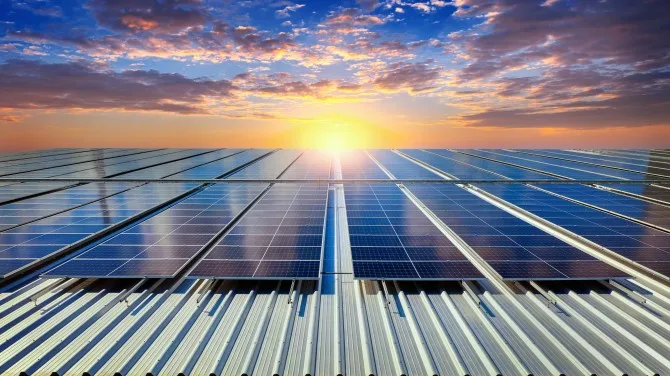
Solar photovoltaic systems are another technology receiving increased attention.
Solar panels generate electricity from daylight, allowing households to use some of their own electricity rather than purchasing all of it from the grid.
When combined with battery storage, excess electricity generated during the day may also be stored for use later.
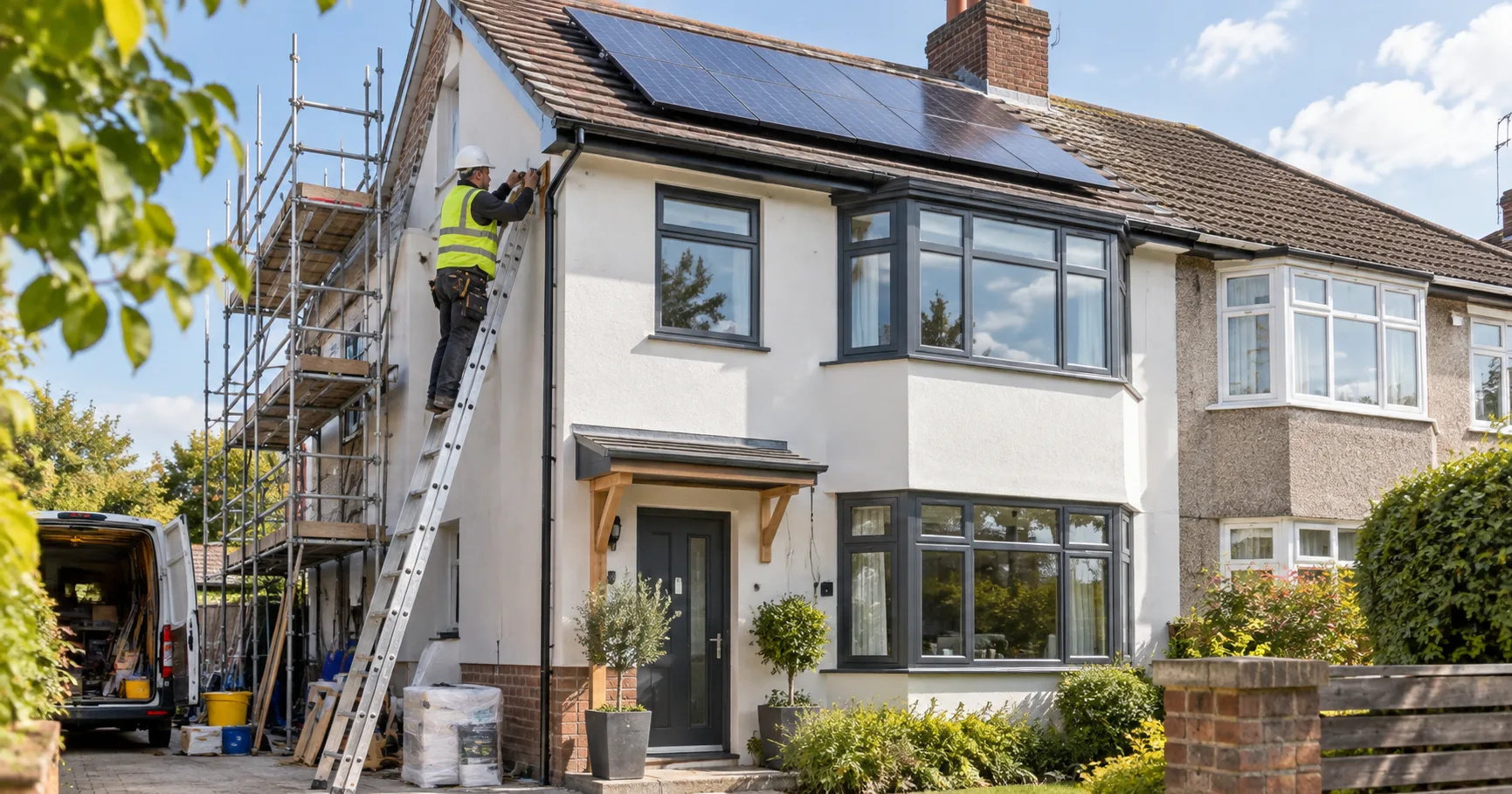
The effectiveness of solar depends on several factors, including roof orientation, shading, system size, household electricity usage and installation quality.
Solar should therefore be considered as part of a wider property-energy strategy rather than simply as an individual product.
Retrofit Requires a Whole-House Approach
Perhaps the biggest change in energy-efficient construction is the move towards whole-house thinking.
Rather than making unrelated improvements over several years, homeowners can benefit from understanding how each measure interacts with the others.
For example, improving airtightness without considering ventilation can potentially create indoor-air-quality problems. Similarly, changing the heating system before reducing heat loss could result in an unnecessarily large or inefficient system.
A structured retrofit plan can help identify:
- Where the property is currently losing energy
- Which improvements should come first
- How different measures interact
- Which technologies may provide the greatest long-term benefit
- How the work can be completed in manageable stages
Quality of Installation Matters
The performance of an energy-efficiency measure depends heavily on how well it is designed and installed.
Poorly fitted insulation, incorrectly installed windows or badly designed renewable-energy systems may fail to deliver the expected results.
Homeowners should therefore look beyond the initial price and consider installer experience, relevant certifications, warranties and the quality of the proposed specification.
This is particularly important for retrofit work, where every property can present different construction challenges.
The Future of Home Improvement Is More Integrated
Home improvement and energy efficiency are becoming increasingly connected.
Instead of viewing windows, insulation, heating and renewable energy as separate purchases, property owners are beginning to see them as parts of the same system.
A well-planned project might begin with repairing the building fabric, then improving insulation and glazing, followed by heating upgrades and renewable-energy technologies.
This approach can make the property more comfortable while creating a stronger foundation for future energy improvements.
For UK homeowners, the key is not necessarily to install every available technology at once. It is to understand the property, identify the biggest weaknesses and complete improvements in the right order.
As energy efficiency becomes a more important part of property ownership, thoughtful planning and high-quality installation are likely to matter just as much as the individual products being installed.