A Stark Wake-Up Call: The Climate Crisis in Human Terms
In the early spring of 2026, a relentless heatwave swept across Europe, breaking records by soaring temperatures beyond 45°C in cities unaccustomed to such extremes. Forest fires raged across Mediterranean landscapes, while coastal communities in Southeast Asia faced unprecedented flooding from storm surges intensified by rising sea levels. This summer season’s devastation was not an anomaly but a clear signal of accelerating climate impacts. According to the latest report from the Intergovernmental Panel on Climate Change (IPCC), global average surface temperatures have climbed to 1.4°C above pre-industrial levels, edging dangerously close to the 1.5°C threshold that scientists warn will trigger irreversible damage to ecosystems and human livelihoods.
This visceral reality contrasts sharply with the political rhetoric often heard at international summits. Despite numerous pledges, emissions have not declined at the pace required to meet net-zero targets. The urgency of climate action has never been more pressing. The 2026 Global Climate Risk Index highlights that over 50% of the world’s population now lives in countries highly vulnerable to climate-related disasters, exacerbating inequalities and threatening social stability.
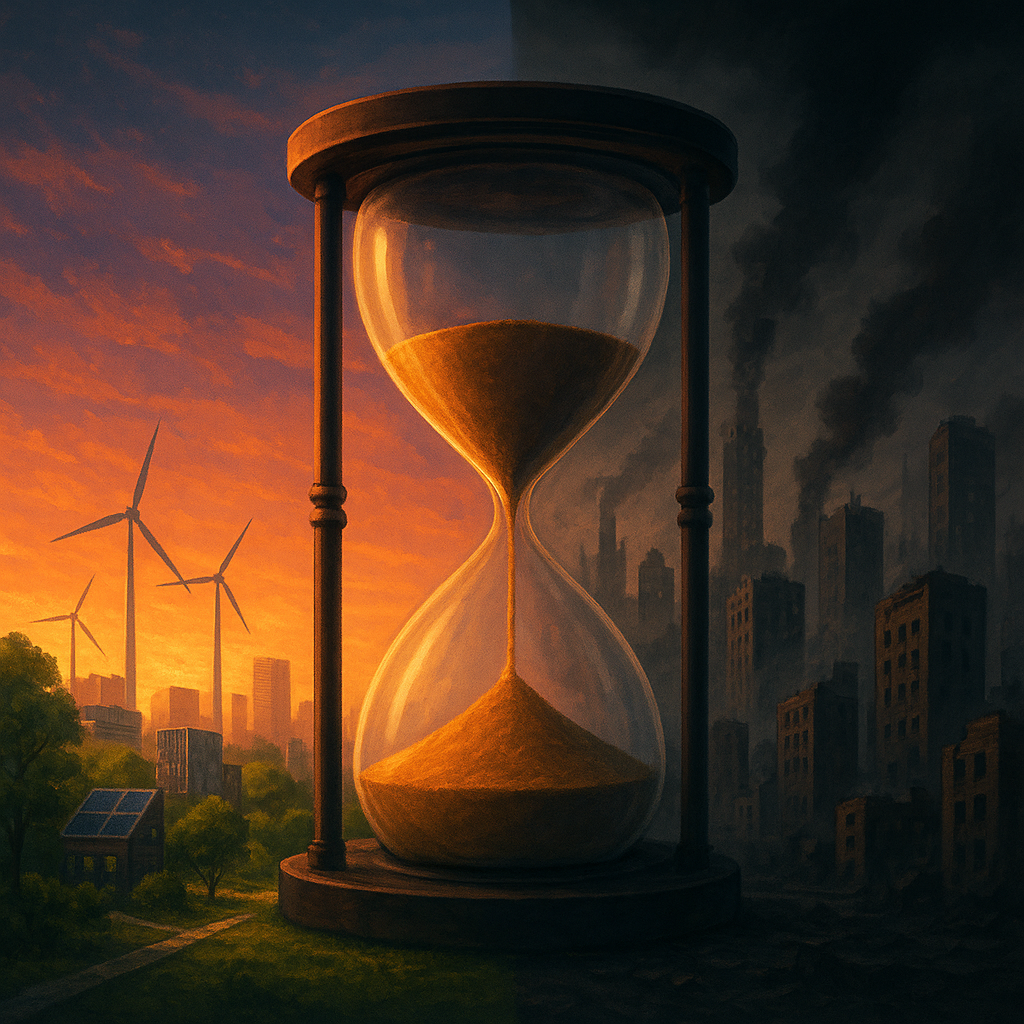
“The window to act is rapidly closing. Delays now will cost us not only economically but in human lives and biodiversity loss,” warns Dr. Helena Richter, climate scientist at the Global Environmental Institute.
Tracing the Roots: How Global Climate Action Has Evolved
Understanding the current climate emergency requires a look back at the trajectory of international climate governance. The 1992 Earth Summit in Rio de Janeiro marked the dawn of global environmental diplomacy, establishing the United Nations Framework Convention on Climate Change (UNFCCC). Since then, the Paris Agreement of 2015 became the landmark accord aiming to limit warming to well below 2°C, with efforts to keep it below 1.5°C. However, implementation has been uneven, hindered by political will, economic interests, and technological challenges.
Throughout the 2010s and early 2020s, climate action centered on setting nationally determined contributions (NDCs), carbon pricing mechanisms, and investment in renewable energy. Yet, fossil fuel dependency remained entrenched, with emissions peaking only in the last few years before a modest decline. The failure to rapidly phase out coal, the largest single source of carbon dioxide emissions, has been a significant bottleneck.
The decade also witnessed the rise of climate litigation and youth activism, pushing governments and corporations toward greater accountability. The transition to sustainable energy gained momentum, supported by breakthroughs in solar and wind technologies, but the pace required to meet the Paris goals remained elusive.
- 1992: UNFCCC established to coordinate global climate efforts.
- 2015: Paris Agreement sets ambitious temperature goals.
- 2020–2025: Renewables surpass fossil fuels in new energy capacity additions.
- 2023: Global emissions plateau but do not decline fast enough.
- 2025: Coal phase-out commitments increase but implementation lags.
Data-Driven Insights: The Current State of Climate Action
Recent data from the International Energy Agency (IEA) and Climate Action Tracker reveal a mixed picture. While renewable energy capacity grew by 12% year-on-year in 2025, global greenhouse gas emissions only dropped by 2%, insufficient to meet the 2030 targets. The energy sector remains the largest emitter, accounting for 40% of global CO2 emissions, followed by agriculture and industry.
Carbon capture and storage (CCS) technologies have seen increased investment but still represent less than 3% of global emissions mitigation. Meanwhile, deforestation rates, particularly in the Amazon and Congo basins, have slowed but remain a significant source of carbon emissions.
Climate finance has improved, with public and private investments reaching $1.2 trillion annually, yet these funds are unevenly distributed. Developing nations, which bear the brunt of climate impacts, receive less than 30% of total climate finance, underscoring the persistent equity gap in global action.
- Renewable energy share: 35% of global electricity generation in 2025.
- Global emissions reduction: 2% decrease from 2024 to 2025.
- Climate finance: $1.2 trillion annually, with major disparities.
- Deforestation: 20% reduction in net forest loss since 2020.
- Carbon capture: 3% of emissions mitigated by CCS technologies.
“Despite progress, the trajectory is insufficient. Accelerated action in all sectors is essential to avoid catastrophic warming,” states Maria Gonzales, lead analyst at Climate Action Tracker.
Progress and Pitfalls: Key Developments in Climate Action 2026
The year 2026 has witnessed several pivotal developments in climate policy and technology. The United States recommitted to an ambitious 60% emissions reduction by 2030, accompanied by a $500 billion green infrastructure plan focusing on electric grid modernization and sustainable transportation. China, the world’s largest emitter, announced accelerated coal phase-out schedules in 15 provinces, paired with a surge in green hydrogen production.
Technological innovation remains central. Breakthroughs in next-generation battery storage promise to resolve intermittency issues of solar and wind power, while carbon-negative materials like biochar are gaining traction in agriculture. Nations are increasingly adopting nature-based solutions, restoring wetlands and mangroves to sequester carbon and protect biodiversity.
However, challenges persist. The geopolitical tensions surrounding rare earth minerals for clean technologies have intensified, threatening supply chains. Additionally, climate-induced migration is rising, creating social and political friction in vulnerable regions. The global community continues to grapple with balancing economic growth and environmental stewardship.
- US green infrastructure investment: $500 billion.
- China’s coal phase-out: accelerated in 15 provinces.
- Advances in battery storage: 30% increase in capacity efficiency.
- Expansion of nature-based carbon sequestration projects.
- Rising geopolitical risks over critical minerals supply chains.
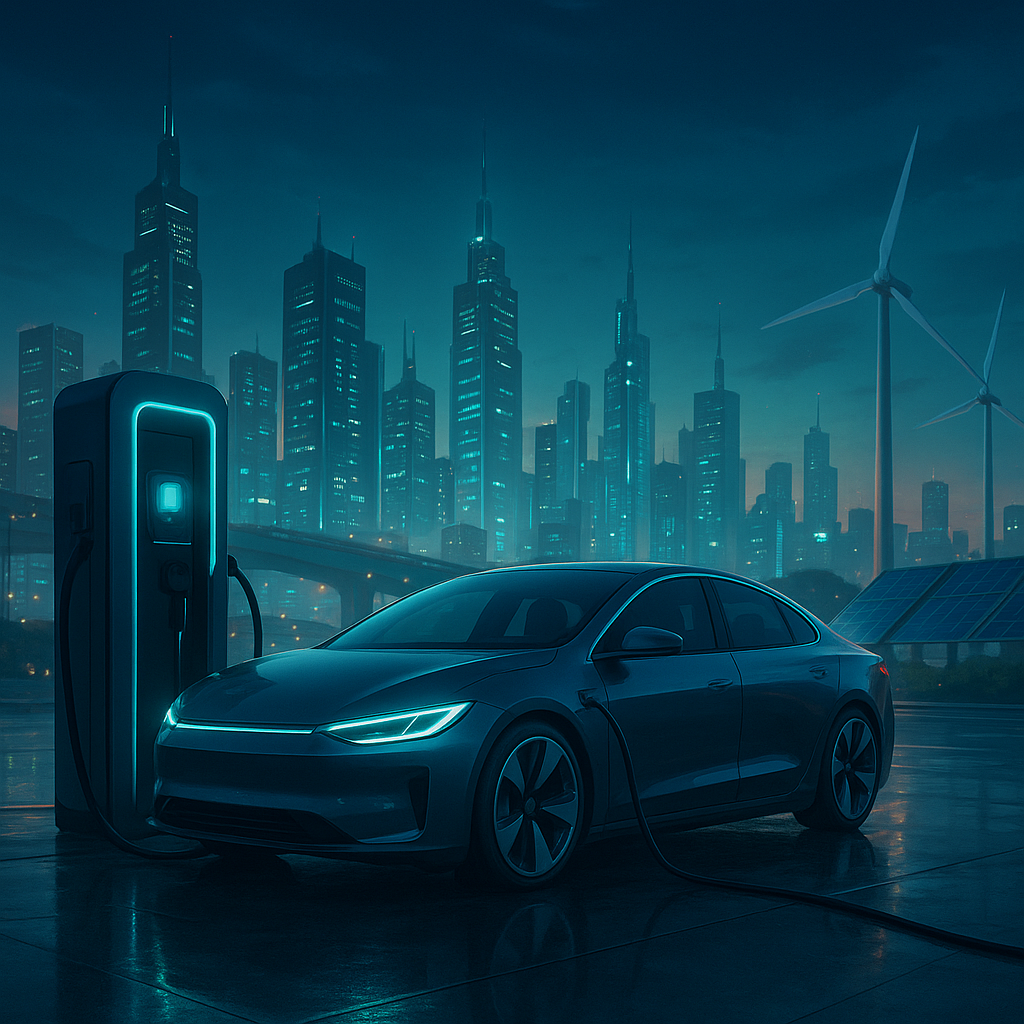
For a deeper understanding of the energy transition challenges, you might enjoy Electric Vehicles Are Booming — But the Grid Isn't Ready and Renewable Energy’s Rising Tide: Powering a Sustainable Future Beyond Fossil Fuels on TheOmniBuzz.
Voices from the Field: Expert Perspectives and Industry Impacts
Climate action has evolved into a defining factor for industries worldwide. The finance sector now integrates environmental, social, and governance (ESG) criteria into over $50 trillion in assets under management, reflecting investor demand for sustainable business practices. Major corporations have adopted science-based targets, with 70% of Fortune 500 companies committing to net-zero emissions by mid-century.
Experts emphasize that cross-sector collaboration and innovation are critical. Dr. Arjun Patel, Chief Sustainability Officer at a leading global energy firm, notes, “The integration of digital technologies such as AI and IoT in energy management has unlocked efficiencies that were unimaginable a decade ago. This enables more precise emissions tracking and fosters accountability.”
Yet, the transition disrupts labor markets and regional economies reliant on fossil fuels. Just transition frameworks that support retraining and social protections are becoming vital to ensure equitable outcomes.
“Sustainability must be embedded in corporate DNA, not treated as an add-on. Only then can climate action achieve systemic change,” asserts environmental economist Dr. Lila Mahmoud.
Looking Ahead: What Climate Action Must Prioritize Next
As the world confronts the narrowing window to prevent catastrophic climate change, several priorities emerge for future action. First, scaling up renewable energy deployment remains essential, with an emphasis on grid resilience and storage solutions. Second, closing the finance gap, especially for vulnerable countries, will be critical to equitable and effective mitigation and adaptation.
Third, enhancing transparency through standardized reporting and verification can build trust and drive progress. Fourth, nature-based solutions must be mainstreamed alongside technological innovations to protect biodiversity and livelihoods. Finally, fostering inclusive global cooperation that transcends geopolitical tensions will be indispensable.
Policy analysts recommend a multipronged approach that includes:
- Accelerating clean energy innovation and infrastructure.
- Strengthening global climate finance mechanisms.
- Implementing robust carbon pricing and regulatory frameworks.
- Promoting social equity through just transition policies.
- Enhancing international collaboration and knowledge sharing.
For additional insights into the broader sustainability landscape, see Sustainability in 2026: Progress, Challenges, and Future Pathways on TheOmniBuzz.
Case Studies: Real-World Climate Action Impact
Several countries and cities exemplify how targeted climate action yields tangible benefits. Denmark’s aggressive wind energy expansion now provides over 60% of national electricity, showcasing how policy support and innovation can transform energy systems. The city of Kigali in Rwanda has implemented a comprehensive urban greening project that reduced urban heat island effects by 15%, improved air quality, and created thousands of green jobs.
In the private sector, companies like Tesla and Siemens Energy demonstrate how integrating sustainability into core business strategy drives growth and competitiveness. Their investments in battery technology and grid solutions have set industry benchmarks.
These success stories underline the importance of sustained political commitment, innovation ecosystems, and community engagement in scaling climate action. They offer replicable models for other regions seeking to accelerate progress.
“Our experience confirms that ambitious climate policies can coexist with economic development and social inclusion,” reflects Denmark’s Minister for Climate and Energy.