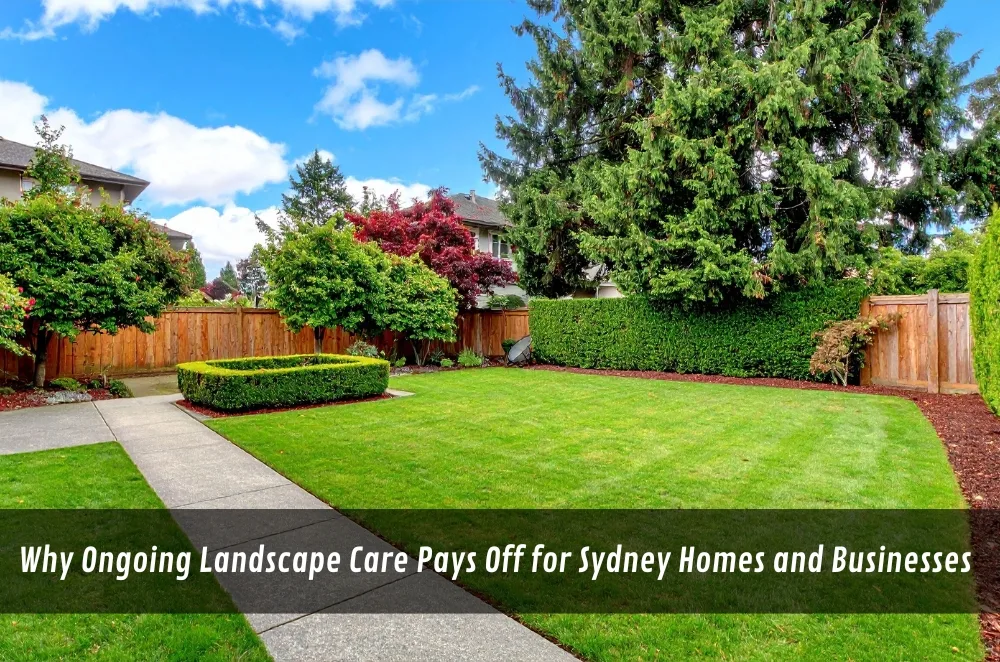
Picture a freshly mown lawn, neat hedges, and flowering garden beds framing a tidy path to the front door. Now picture the same space six months later after a run of summer heatwaves, a few torrential downpours, and one forgotten sprinkler. Good landscaping can turn untamed ground into a showpiece, but keeping it that way calls for more than a weekend blitz. In a climate as changeable as Sydney’s, consistent care is the difference between a thriving outdoor space and one that slowly drains time, money, and peace of mind.
Why Ongoing Landscape Care Matters in Sydney
Sydney’s subtropical weather swings from sizzling summers to cool, damp winters. That roller-coaster mix breeds weeds, fuels rapid grass growth, and can stress ornamental trees. Left unchecked, minor issues—compacted soil, blocked drainage, overgrown shrubs—can escalate into expensive repairs.
For many owners, the most efficient answer is to engage comprehensive landscape services close to you that understand local soils, plant species, and council regulations. A scheduled program means expert eyes spot problems early, whether that’s a fungal patch in the buffalo turf or roots edging too close to storm-water pipes.
Cost Versus Value
• Preventative pruning costs far less than emergency tree removal after a branch failure.
• Regular lawn aeration improves water penetration, cutting your summer irrigation bill.
• A well-kept frontage can lift perceived property value by 5–10 %, according to Australian real-estate agents.
Key Benefits Beyond Kerb Appeal
Healthier Plants and Soil
Routine mulch top-ups, soil testing, and targeted fertilising build resilience. Healthy soil teeming with microbes helps plants withstand pests and drought, meaning fewer chemicals and less water overall.
Safety and Compliance
Overhanging branches, slippery pathways, and uneven pavers create hazards. Periodic safety checks ensure you meet landlord or strata responsibilities, reducing liability risks.
Environmental Gains
Native plant selection and smart irrigation reduce run-off and support local biodiversity. Professional landscapers often recommend drought-tolerant species and install drip systems that can halve water use compared with older sprinklers.
Practical DIY Tips to Stretch the Gap Between Call-Outs
- Mow little and often. Cutting just one-third of the grass blade each time keeps lawns dense and discourages weeds.
- Mulch in late spring. A 7 cm layer moderates soil temperature and suppresses annual weeds before they germinate.
- Check irrigation monthly. Clear blocked emitters and adjust timers with the season to avoid over-watering.
- Prune after flowering. Many Australian natives, such as bottlebrush, flower on new growth—light pruning straight after bloom encourages next season’s show.
- Observe the “two-bucket test”. Place two buckets in different garden zones during rainfall; if one fills twice as fast, you may have a drainage issue worth investigating.
When to Bring in the Pros
Even the keenest gardener will meet tasks best left to licensed professionals:
• Tree lopping above 3 m or near powerlines (requires insurance and sometimes council permits).
• Large-scale turf replacement where soil levelling and pH correction are critical.
• Structural landscaping like retaining walls, drainage trenches, or sandstone features that must meet building codes.
• Irrigation system overhauls detecting subterranean leaks—it’s cheaper to fix than to pay Sydney Water’s excess-usage bill.
Engaging a qualified, insured team also gives access to specialist equipment—stump grinders, commercial aerators, or 3-D landscape design software—that a DIY weekend warrior can’t justify purchasing.
Finding the Right Fit for Your Property
• Ask for a maintenance schedule tailored to plant choice, soil type, and microclimate.
• Check for current public-liability insurance and relevant trade licences.
• Read recent Google reviews that mention punctuality, clean-ups, and communication.
• Confirm they recycle green waste responsibly or offer onsite composting options.
A transparent quote outlining frequency, inclusions, and any seasonal extras (e.g., pre-storm checks) helps you compare apples with apples.
Final Thoughts
Landscaping isn’t a “set and forget” project; it’s a living investment. By budgeting for routine upkeep—whether you tackle the lighter jobs yourself or hire experienced hands—you protect property value, conserve resources, and enjoy an outdoor space that welcomes you home year-round.
FAQs
How often should I schedule professional lawn maintenance in Sydney?
Weekly in peak growing season (October–March) and fortnightly or monthly over winter usually keeps lawns healthy without scalping or stress.
Do native gardens really need less maintenance?
Many do, but “low-maintenance” isn’t “no-maintenance”. Natives may need less water and fertiliser, yet still benefit from pruning and weed control to mimic natural fire or grazing cycles.
Can regular gutter cleaning be part of a landscaping plan?
Yes. Leaf litter removal from gutters and downpipes often appears in full-service maintenance packages because it protects both the roof and surrounding garden beds from overflow.
Will landscape improvements increase my rental return?
While returns vary, properties with tidy outdoor areas generally attract quality tenants faster and may command higher weekly rent, particularly those offering usable alfresco spaces.