
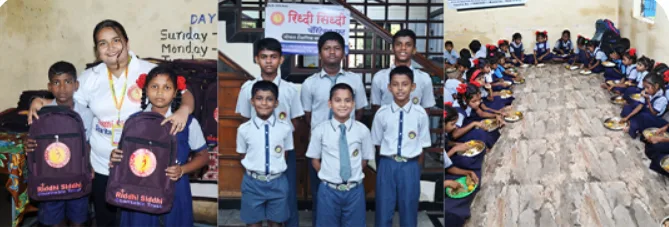
In today’s fast-changing world, millions of people still struggle to access food, healthcare, education, and shelter. Charitable support plays a crucial role in helping vulnerable communities survive difficult situations and rebuild their lives with dignity. Whether it comes from individuals, social groups, or organizations, acts of giving continue to create positive social impact across both urban and rural regions.
Why Helping Others Matters More Than Ever
Economic instability, rising healthcare costs, unemployment, and natural disasters have increased the need for social assistance worldwide. According to global humanitarian reports, millions of families depend on community-driven aid programs for basic necessities every year. Support initiatives not only provide immediate relief but also help create long-term opportunities for self-reliance and development.
When people contribute resources, time, or skills for the welfare of others, they strengthen the social fabric of society. Communities become safer, healthier, and more connected when individuals actively participate in helping those in need.
Major Areas Where Social Assistance Creates Impact
Food and Hunger Relief
One of the most urgent humanitarian concerns is hunger. Many underprivileged families struggle to arrange even two meals a day. Community kitchens, meal distribution drives, ration support programs, and nutrition campaigns help reduce food insecurity among vulnerable populations.
Access to nutritious food improves health conditions, supports child development, and enables individuals to focus on education and employment instead of survival.
Education for Underprivileged Children
Education remains one of the strongest tools for breaking the cycle of poverty. Financially weaker families often cannot afford school fees, books, uniforms, or digital learning resources. Support programs focused on education help children continue their studies and build brighter futures.
Scholarships, school supply distribution, literacy drives, and skill development programs contribute significantly to social progress by empowering young minds.
Healthcare and Medical Assistance
Many low-income families delay or avoid medical treatment because of financial limitations. Assistance initiatives help patients access medicines, surgeries, health check-ups, and emergency care services.
Medical outreach camps and awareness programs also play an important role in promoting preventive healthcare and early diagnosis, especially in remote areas where medical infrastructure remains limited.
Elderly Care and Emotional Well-Being
Senior citizens living alone or without family support often face emotional and physical challenges. Community-based elderly care initiatives help provide shelter, meals, healthcare, companionship, and emotional support for aging individuals.
Social interaction and compassionate care greatly improve mental well-being among elderly people and help them live with greater dignity and comfort.
Women Empowerment and Skill Development
Many social welfare programs focus on empowering women through vocational training, financial literacy, and self-employment opportunities. These initiatives encourage economic independence and improve household stability.
Skill-based learning programs in areas like tailoring, handicrafts, computer education, and entrepreneurship help women build sustainable sources of income.
The Growing Role of Youth in Community Welfare
Young people today are actively participating in volunteer work and awareness campaigns. From organizing donation drives to supporting disaster relief activities, youth involvement has become a powerful force for positive change.
Digital platforms and social media have also made it easier for people to participate in fundraising campaigns, awareness programs, and volunteer initiatives from anywhere in the world.
The participation of students and young professionals is helping create a culture of empathy, responsibility, and active citizenship.
How Small Contributions Make a Big Difference
Many people believe that only large financial donations can create meaningful change, but even small contributions can have significant impact when combined collectively. A small act of kindness can provide meals for hungry individuals, educational materials for students, or medical assistance for patients in need.
Apart from financial contributions, volunteering time, donating clothes, teaching skills, or spreading awareness are equally valuable ways to support social causes.
Consistent community participation helps build stronger support systems for disadvantaged groups and encourages long-term social development.
Building a More Compassionate Future
A compassionate society grows when individuals recognize their responsibility toward the welfare of others. Helping people during difficult times not only improves lives but also inspires hope and humanity within communities.
As social challenges continue to evolve, collective action will remain essential in creating sustainable progress. Every effort made toward uplifting vulnerable populations contributes to a future where more people can live with dignity, security, and opportunity.
By supporting meaningful social initiatives and encouraging community participation, society can move closer toward a more inclusive and caring world.