Charging Ahead: The Electric Vehicle Surge and Its Immediate Impact
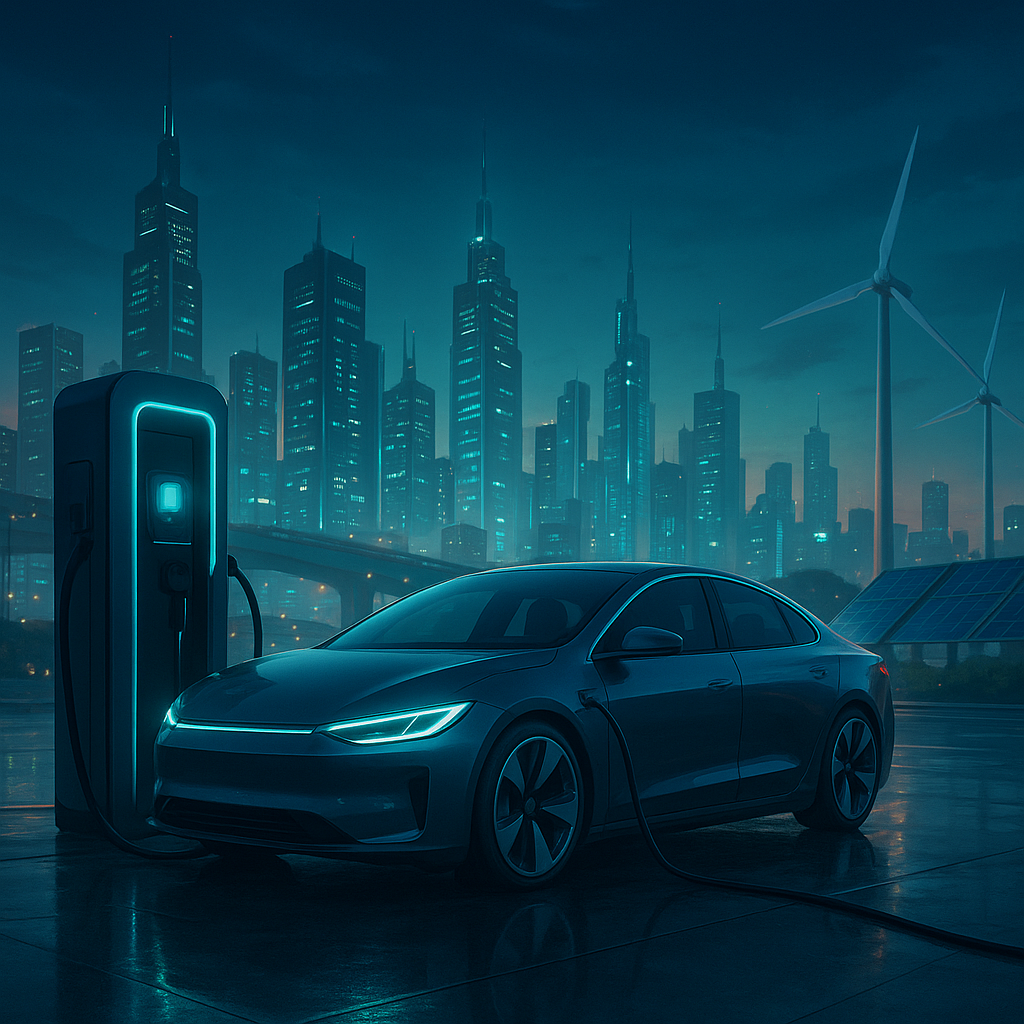
On a brisk April morning in 2026, a bustling urban charging hub in Rotterdam is a microcosm of a global revolution. Rows of sleek electric vehicles (EVs) recharge quietly, their owners tapping on digital screens to check remaining battery life. This scene, now common across cities worldwide, underscores a vital truth: electric vehicles have transitioned from niche innovation to mainstream mobility. Global EV sales topped 20 million units in 2025, a threefold increase compared to 2023, according to industry estimates. The surge is driven by a confluence of stricter emissions regulations, plummeting battery costs, and shifting consumer attitudes toward sustainability.
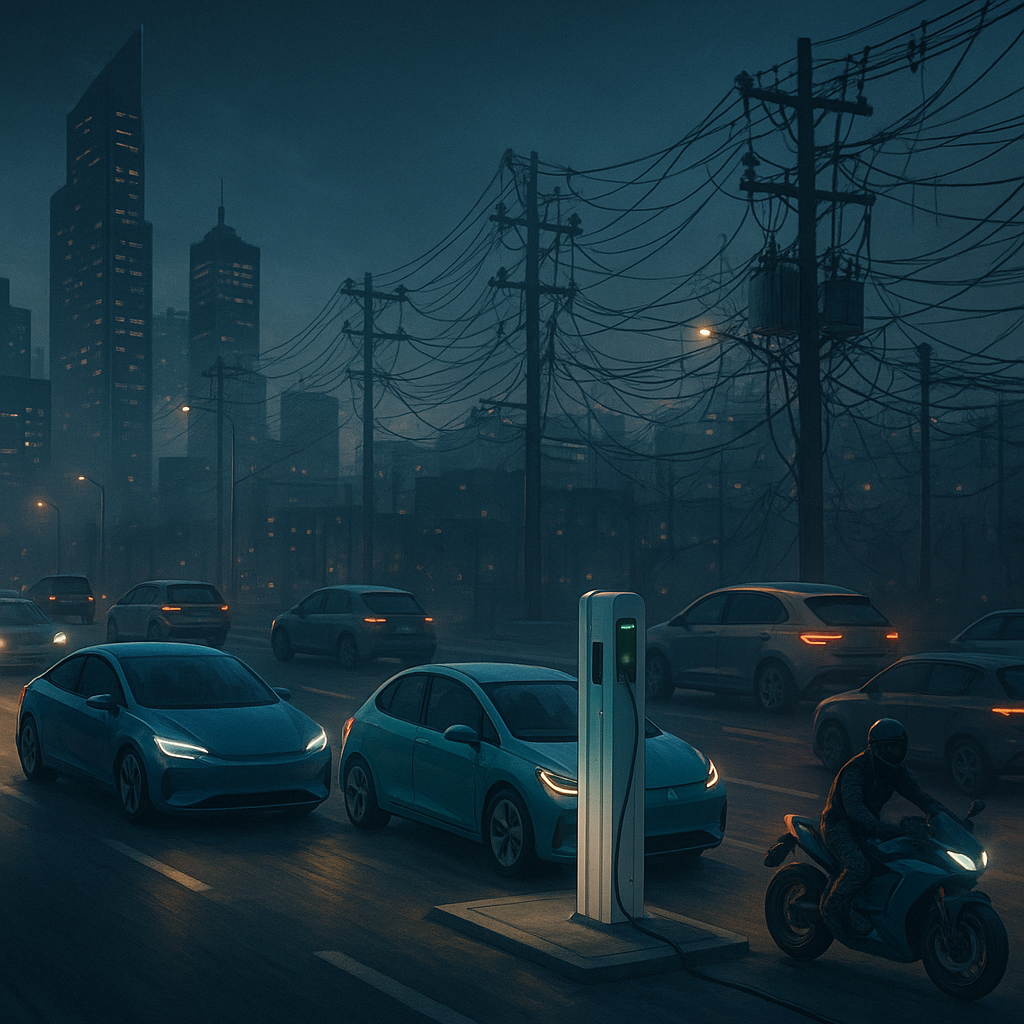
Yet this rapid adoption is straining the very infrastructure that powers EVs. Grid operators in Europe, North America, and parts of Asia report unprecedented demand spikes during peak hours, challenging the resilience and capacity of existing power networks. The promise of electric mobility as a pillar of sustainability now grapples with practical constraints.
“Electric vehicles represent a breakthrough in decarbonizing transport, but their widespread adoption exposes critical vulnerabilities in our power grids that must be urgently addressed,” notes Dr. Elena Martinez, an energy systems analyst at the International Renewable Energy Agency (IRENA).
The electric vehicle boom is not just a technological shift; it is reshaping energy landscapes, urban planning, and sustainability strategies globally. To understand the full implications, we must trace the roots of this transformation, analyze current trends, and anticipate the challenges and innovations shaping the road ahead.
Tracing the Road: From Early Adoption to Mass Market Penetration
The journey of electric vehicles from curiosity to necessity has accelerated in the past decade. Early 2020s EVs were largely confined to premium segments and environmentally conscious buyers. However, a combination of technological advances and policy frameworks has changed the narrative. By 2026, nearly 40% of new passenger vehicles sold globally are electric, with projections suggesting this will exceed 60% by 2030.
Key milestones paved this trajectory. Lithium-ion battery prices fell by more than 80% between 2015 and 2025, enabling more affordable and longer-range vehicles. Governments worldwide implemented stringent tailpipe emissions standards and offered incentives that reduced upfront EV costs. For example, the European Union’s Green Deal accelerated the phase-out of internal combustion engine vehicles, while China’s continued investment in battery manufacturing solidified its role as a global EV powerhouse.
Urban centers embraced electrification as part of broader sustainability commitments. Cities like Oslo, Los Angeles, and Singapore set ambitious targets to ban fossil-fuel vehicles in their core areas by 2030, further stimulating demand. Public awareness campaigns and the growing availability of charging infrastructure have also improved consumer confidence.
Yet the shift was not without complications. Supply chain challenges, particularly for critical minerals like lithium, cobalt, and nickel, initially slowed production growth. Environmental concerns about mining and battery disposal added complexity to the sustainability narrative.
“The EV revolution is not solely about technology adoption but about reshaping entire ecosystems—from raw materials to end-of-life recycling,” says Dr. Anil Gupta, professor of sustainable engineering at MIT.
Power Play: Grid Capacity, Renewable Integration, and Energy Demand
The most pressing challenge accompanying the EV surge is the strain on electricity grids. A typical EV consumes between 15 and 30 kilowatt-hours (kWh) per 100 kilometers, representing a substantial load when multiplied by millions of vehicles charging daily. Grid operators now face the task of balancing increased demand while ensuring reliability and affordability.
Data from the International Energy Agency (IEA) highlights that in 2025, EV charging accounted for approximately 6% of global electricity consumption, a figure expected to triple by 2030. This growth necessitates significant upgrades to distribution networks, transformers, and substations.
Compounding this is the challenge of integrating renewables. The promise of EVs reducing carbon footprints hinges on clean electricity sources. Solar and wind generation have expanded rapidly, yet their intermittent nature requires sophisticated grid management and storage solutions to match EV charging demand peaks.
Utilities and regulators are experimenting with demand response programs and smart charging technologies that modulate charging times. Vehicle-to-grid (V2G) innovations allow EVs to feed stored energy back into the grid during peak periods, creating a dynamic and flexible energy ecosystem.
- Grid upgrade investment: The U.S. Department of Energy estimates $120 billion will be needed in the next decade to modernize grids for EV integration.
- Renewable energy share: Renewables accounted for 38% of global electricity in 2025, with ambitious targets pushing this beyond 50% by 2030.
- Smart charging adoption: Over 25% of EVs in Europe now utilize smart charging, reducing peak load stress.
Despite progress, many regions still lack the infrastructure to cope with surging demand. This gap raises concerns about potential blackouts and increased reliance on fossil-fuel peaker plants, which could undermine the environmental benefits of EVs.
Innovations and Industry Shifts in 2026
The EV industry in 2026 is marked by rapid innovation and strategic realignments. Battery technology has made significant strides, with solid-state batteries reaching commercial viability. These batteries offer higher energy density, faster charging times, and improved safety compared to traditional lithium-ion cells.
Major automakers have expanded their EV portfolios, while new entrants from technology sectors continue to disrupt the market. Companies like Tesla, BYD, and Volkswagen lead in volume and innovation, but startups focusing on niche applications and battery recycling are gaining ground.
Charging infrastructure has also evolved. Ultra-fast chargers capable of delivering 350 kW or more are becoming widespread, enabling 80% battery recharge in under 15 minutes. Wireless charging lanes and bidirectional charging stations are being piloted in cities across Japan and Europe.
Supply chains have diversified to reduce dependency on scarce minerals. Recycling initiatives, such as closed-loop lithium recovery, are scaling up, and alternative battery chemistries using abundant materials like sodium are under active development.
Policy frameworks have adapted as well. Several governments have introduced mandates for grid integration standards, ensuring EV chargers communicate with utilities to optimize load management. Financial incentives are increasingly tied to vehicle lifecycle emissions and end-of-life recycling compliance.
“The EV sector is transitioning from volume growth to sustainable and resilient systems that balance environmental goals with practical energy realities,” explains Maria Johansson, CEO of GreenCharge Technologies.
Real-World Impact: Case Studies in Urban and Rural Settings
Examining real-world examples illustrates both the promise and challenges of EV adoption. Amsterdam, a pioneer in sustainable urban mobility, has integrated over 70,000 EVs into its transport system. Investments in public fast-charging hubs, smart grid pilots, and incentives for EV taxis have reduced local air pollution by 35% since 2020.
Conversely, rural regions such as parts of the American Midwest face unique hurdles. Sparse populations and long travel distances complicate charging infrastructure deployment. However, community-driven initiatives leveraging solar microgrids paired with shared EV fleets have begun to emerge, fostering localized sustainability.
- Amsterdam’s EV success factors: robust public-private partnerships, integrated urban planning, and dynamic grid management.
- Midwest rural innovations: solar-powered charging stations, cooperative ownership models, and government grants supporting EV adoption.
These contrasting scenarios highlight the importance of context-specific strategies. As TheOmniBuzz previously explored, the readiness of power grids varies significantly between regions, affecting how effectively EV benefits can be realized (see Electric Vehicles Are Booming — But the Grid Isn't Ready).
Looking Forward: Navigating the Road to a Sustainable EV Future
The trajectory of electric vehicles remains overwhelmingly positive, yet the path is complex. Future success hinges on integrated approaches that encompass technology, policy, infrastructure, and consumer behavior. Key areas to watch include:
- Grid modernization: Accelerating investments in smart grids, energy storage, and digital management systems.
- Renewable energy scaling: Aligning EV growth with clean power expansion to maximize climate benefits.
- Battery innovation: Advancing sustainable chemistries and recycling to reduce environmental footprints.
- Equity and access: Ensuring EV benefits reach diverse populations, including underserved urban and rural communities.
- Regulatory evolution: Adapting policies to foster innovation while managing grid stability and environmental standards.
The interplay between EV adoption and energy systems is a defining sustainability challenge of this decade. As highlighted in related analyses on TheOmniBuzz, such as Renewable Energy’s Rising Tide: Powering a Sustainable Future Beyond Fossil Fuels and Sustainability in 2026: Progress, Challenges, and Future Pathways, the electrification of transport is a critical lever but requires holistic alignment across sectors.
“The future of mobility is electric, but it must be powered by a resilient and renewable grid to truly deliver on sustainability promises,” concludes Dr. Martinez.
Ultimately, the journey toward widespread electric vehicle adoption is emblematic of broader societal shifts—where technology must harmonize with infrastructure and policy to forge a truly sustainable future.