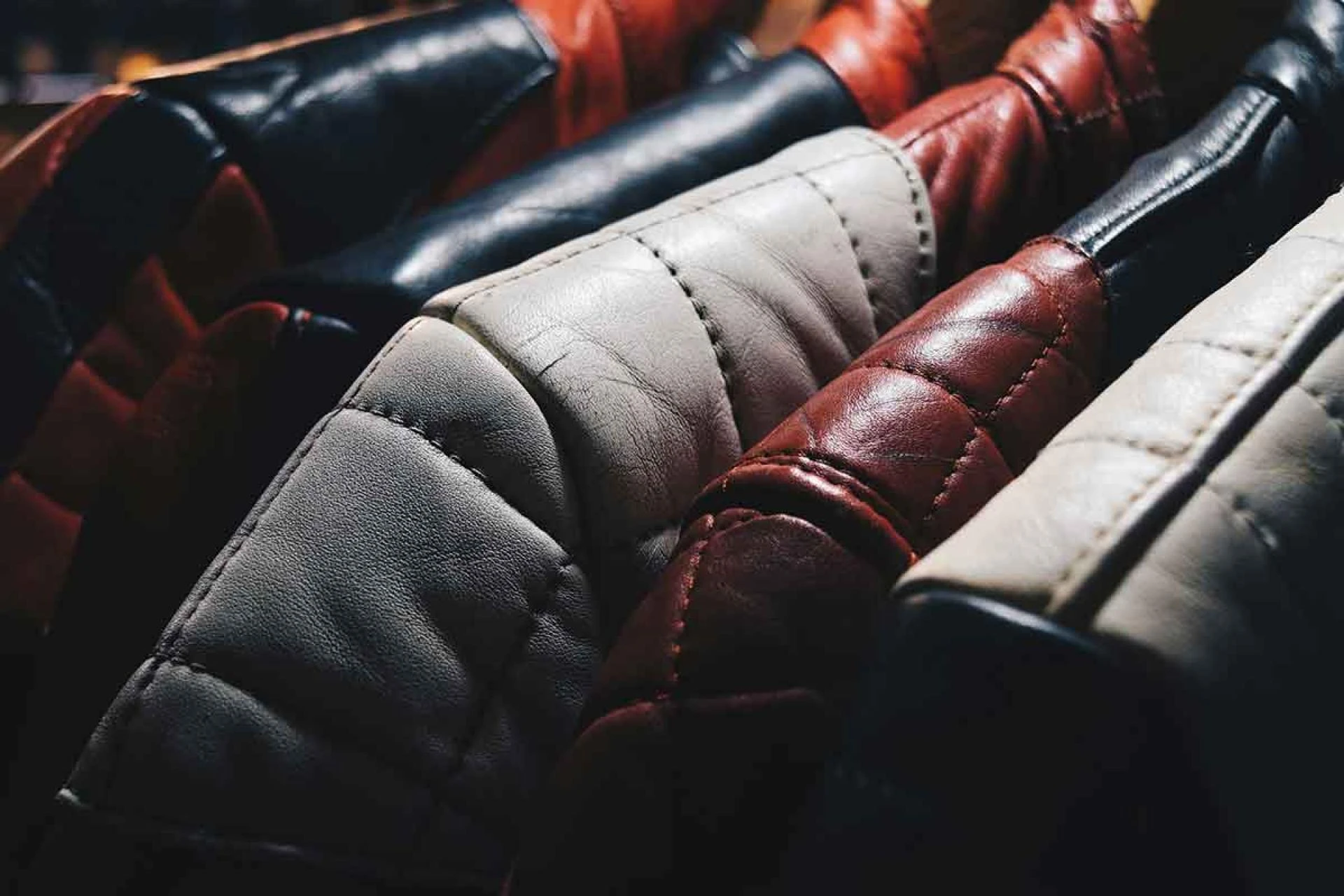
A leather coat is one of the few garments that can remain stylish and functional for many years, but even high-quality leather eventually needs adjustment. Changes in body shape, fashion preference, sleeve length, or overall fit often make a favourite coat feel less comfortable than before. Because leather behaves very differently from ordinary fabric, altering it requires specialist skill, careful seam planning, and precise stitching. That is why many people looking for Leather Coat Alteration Kings Langley prefer experienced leather specialists rather than general alteration services.
Professional leather alteration helps preserve the strength, finish, and original character of the coat while improving comfort and appearance.
Why Is Leather Coat Alteration More Complex Than Standard Tailoring?
Leather does not tolerate repeated stitching the way woven fabrics do. Every needle mark remains visible, so seam work must be carefully placed along existing stitch lines wherever possible.
Tailoring specialists explain that leather requires specific machine settings, stronger thread, and controlled seam pressure to prevent tearing or permanent marking.
Because of this, even simple adjustments such as shortening sleeves or narrowing side seams need specialist handling.
Which Leather Coat Alterations Are Most Common?
A leather coat can often be transformed through small, carefully planned adjustments.
The most requested alterations include:
- Sleeve shortening
- Waist shaping
- Side seam narrowing
- Shoulder balance correction
- Zip replacement
- Lining repair or replacement
- Hem shortening
These changes improve both fit and wearability without changing the overall style of the garment.
Why Is Sleeve Alteration So Popular?
Sleeves strongly influence how a leather coat looks when worn.
Sleeves that are too long can make the coat appear oversized, while sleeves that end correctly at the wrist create a cleaner silhouette.
Leather sleeve shortening requires opening the seam carefully, removing material, and rebuilding cuffs or zip sections without leaving visible stitch lines.
Because leather retains old needle holes, this work must be highly accurate.
Can Older Leather Coats Be Modernised?
Yes, and this is one of the main reasons clients choose alteration instead of replacement.
Older leather coats often have excellent material quality but outdated proportions. Adjustments such as narrowing sleeves, reducing length, or shaping the waist can make an older coat feel contemporary again.
Leather repair specialists note that older coats frequently contain stronger leather than many modern mass-produced alternatives, making alteration especially worthwhile.
Is Lining Replacement Important During Leather Alteration?
Very often, yes.
The outer leather usually outlasts the inner lining, so many coats need internal restoration at the same time as fit correction.
A new lining improves:
- Comfort
- Warmth
- Durability
- Smooth movement when worn over layers
Combining relining with structural alteration often gives the coat a fully renewed feel.
Why Do Clients Seek Leather Alteration Across Different Areas?
Leather tailoring clients often search by nearby specialist location because fitting matters greatly.
People looking for Leather coat alteration London usually want expert consultation before any cutting begins. The same applies to customers searching for LEATHER COAT ALTERATION EDGWARE or surrounding areas where leather specialists are limited.
A fitting allows the tailor to assess seam allowance, leather thickness, and whether changes should be made at sleeves, body, shoulders, or hem.
Can a Leather Coat Waist Be Reshaped Without Losing Style?
Yes, when done carefully.
Waist shaping creates a cleaner line while preserving the original front balance of the coat.
This is especially useful for long coats that feel boxy or oversized.
The alteration usually happens through side seams or back seams, depending on coat construction.
Why Does Leather Require Local Specialist Handling?
That is why clients searching for Leather Tailor & Alteration Rickmansworth often prioritise specialists with experience across different leather types. Correct handling prevents stiffness, seam damage, and visible repair marks. Leather coats vary greatly depending on material:
- Lambskin is softer and more delicate
- Cowhide is thicker and firmer
- Vintage leather often behaves differently due to age
How Does B X Leather Tailor Handle Leather Coat Alteration?
B X Leather Tailor specialises in leather garment alterations, repairs, and fit correction, helping clients restore coats while preserving original craftsmanship.
Their approach includes assessing leather type, seam position, and structural balance before any alteration begins.
This allows sleeves, lining, hems, and body shape to be adjusted accurately without compromising the leather finish.
Is Alteration Better Than Buying a New Leather Coat?
In many cases, yes.
A quality leather coat often remains structurally excellent for years, making fit correction far more practical than replacement.
Professional alteration also preserves sentimental garments and premium leather that would be difficult to replace at the same quality level.
Final Thoughts
Leather coats deserve specialist care because every seam matters. Whether the issue is sleeve length, waist shape, lining wear, or overall fit, expert alteration can make an older coat feel comfortable and modern again.
For anyone considering Leather Coat Alteration Kings Langley, B X Leather Tailor offers specialist craftsmanship that protects both the quality and longevity of valuable leather garments.