It’s easy to assume that your eyes are healthy when you have good vision. However, certain eye diseases and conditions develop slowly without causing symptoms until irreversible damage has been done. Glaucoma is one such disease, which is why an eye examination is important even when you can see clearly. A glaucoma eye test can help identify early warning signs that you may not be aware of, and treatment can begin before noticeable vision loss occurs.
Know about glaucoma
Glaucoma is a term used to describe several related eye diseases that cause damage to the optic nerve. This bundle of nerve fibres connects the eye to the brain, and damage can occur when fluid pressure inside the eye becomes too high. However, glaucoma can also develop when eye pressure is within the normal range.
It tends to develop slowly and typically affects your side vision first. Since your central vision is usually still good, it’s often hard for people to realise they have the condition. Unfortunately, vision that is lost to glaucoma cannot be recovered, so catching it early is key.
Why you may not notice glaucoma symptoms
It develops slowly and rarely causes any pain in the early stages. Changes to your vision happen gradually, and your brain adapts, making it difficult to notice any problem. You may continue your day-to-day activities completely unaware that you’re slowly losing peripheral vision.
When trouble finally starts showing, the disease may already be advanced. That is why glaucoma is sometimes called the “silent thief of sight”. Comprehensive eye examinations provide the best chance of identifying it before it starts affecting your vision.
What tests are done for glaucoma?
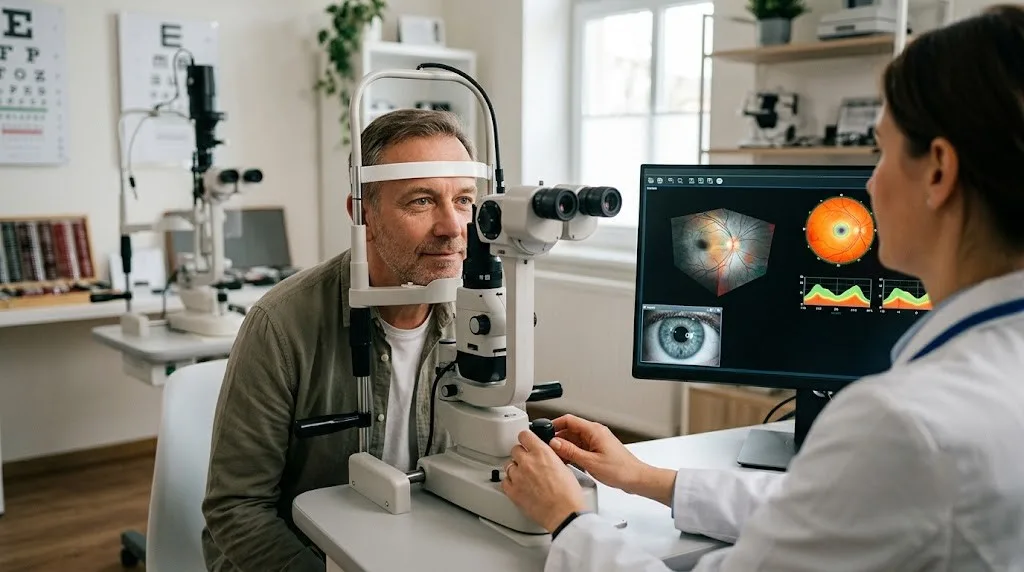
Your optometrist will conduct several quick and painless tests when performing a glaucoma eye test. They may assess the pressure within your eyes, test your peripheral vision and evaluate your optic nerve for signs of damage.
The thickness of your cornea will also be measured. They may use advanced imaging equipment to take photos of your optic nerve. These photographs can detect subtle changes that occur over time. The information your optometrist gathers during testing can’t be determined by simply checking your ability to read letters on a chart.
Since it can develop in a variety of ways, your optometrist will often perform a series of assessments to help determine the overall health of your eyes.
Who can develop glaucoma?
Anyone can develop glaucoma at any age. However, your risk of developing it increases after the age of 40. Additionally, if you have a family history of glaucoma, you are more likely to develop the disease yourself.
People with diabetes or high blood pressure are also more susceptible. Previous eye injuries or long-term steroid use may increase your chances of developing glaucoma. Certain ethnic groups suffer from it more frequently than others.
Regular eye examinations are still important if you aren’t aware of any risk factors. It can still occur without any known cause.
Benefits of early detection
When caught early enough, there are steps you can take to protect your vision from glaucoma. While damage to the optic nerve can’t be reversed, treatment can slow or halt further deterioration.
Treatment often starts with prescription eye drops, though there are other options if drops aren’t sufficient. Laser surgery and traditional surgery can also help reduce pressure in your eyes. With regular testing and treatment, many people live with glaucoma for decades without drastically reducing their quality of life. Since it slowly takes away your vision over time, catching it early can help you preserve your independence and confidence for as long as possible.
Take care of your eyesight
Although associated with older age, many people are surprised to learn that glaucoma can happen at any age. This is why it’s important to have regular eye examinations no matter your age or whether you believe you have perfect vision or not. Many conditions affect your eyesight without initial symptoms, so never neglect your routine appointments.
Comprehensive eye exams allow your optometrist to look for subtle changes that may occur inside your eyes. Not only will these allow your optometrist to catch issues like glaucoma early on, but they will also be able to compare your eyes over time. Small changes may be more obvious when your eyes have been examined regularly. If you are over 40 or have other risk factors, you should speak to your optometrist about how often you should have your eyes examined.
Because glaucoma can develop without you knowing, getting your eyes checked regularly is one of the best things you can do for your eyes. Don’t wait until you experience symptoms to have your eyes examined. Even if you feel like your vision is 20/20, you should still get checked for glaucoma and other eye diseases. If you have any questions about your eye health, search online for an "eye care specialist near me", schedule an appointment today and take the first step towards protecting your eyes for years to come.