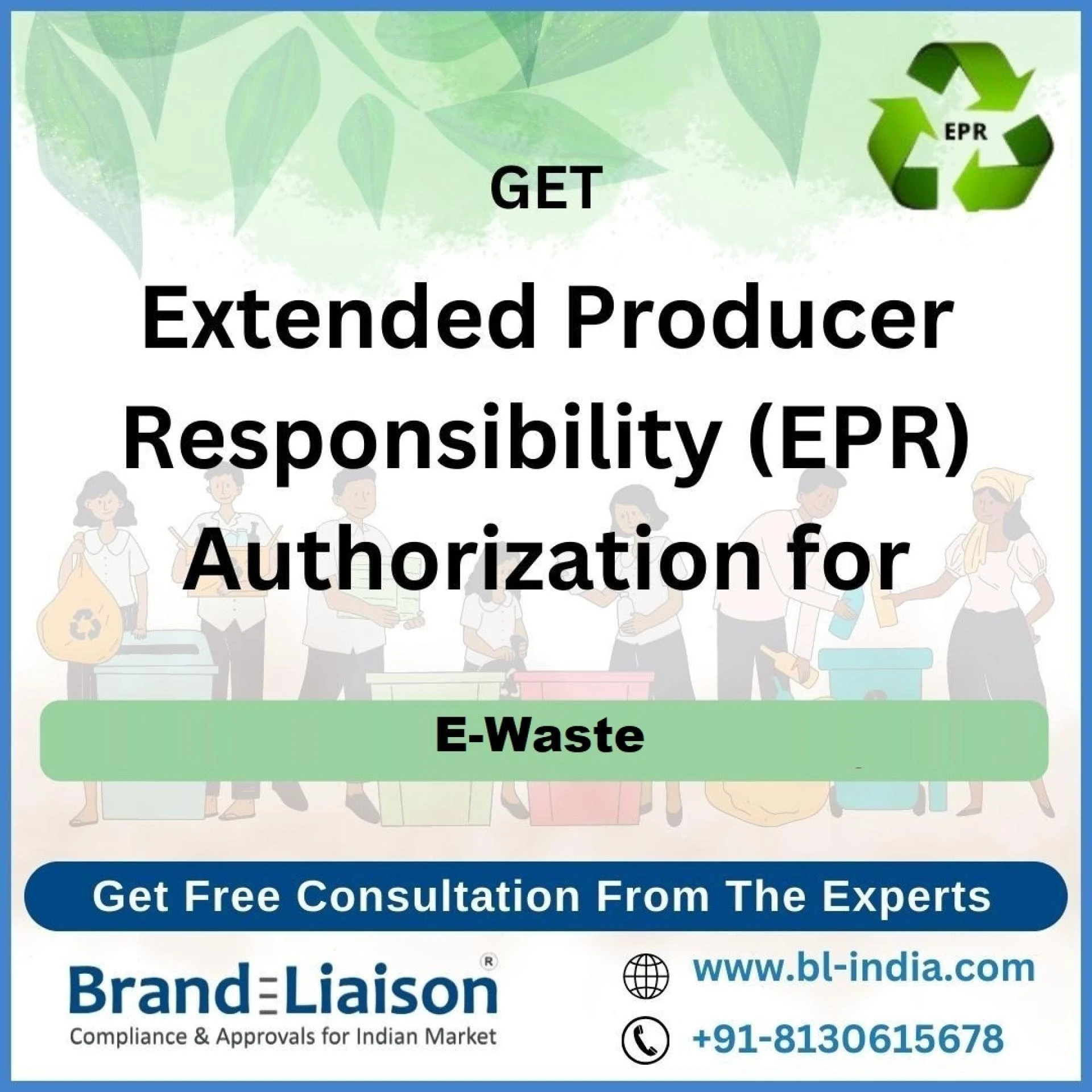
There is a surging pile of toxic e-waste being generated all across the globe, which poses several risks to the environment and the health of living beings around. Owing to the global recognition of e-waste concerns, there is a growing demand for mandatory compliance frameworks such as EPR certification.
Gaining an E-waste certificate under EPR is important for producers and importers of Electronic and Electric Equipment (EEE). It helps in not just managing seamless compliance but also staying socially responsible. Let us explore and understand why E-waste Certification is important and who requires it in the Indian market.
What is an E-Waste Certificate?
An E-waste certificate or EPR certificate as it is commonly called, is a mandatory requirement to be followed by producers, importers, and Brand owners (PIBOs). The Extended Producer’s Responsibility (EPR) is a regulatory framework that is designed to mitigate harmful e-waste. As per the EPR regulations, the responsibility of managing the e-waste after the end of the product’s lifespan is on the PIBOs. Through effective measures like recycling, reusing, and efficient management of e-waste, the PIBOs must abide by waste management rules.
Who Requires an E-Waste Certificate?
The concept of Extended Producer’s Responsibility is established by the E-waste (Management) Rules 2016. As per the EPR regulations, the e-waste certificate is to be acquired by the PIBOs.
Producers
Producers or manufacturers of Electronic and Electrical Equipment (EEE) have to manage the e-waste generated throughout the production process and even after the end of the product’s lifespan.
Importers
Importers dealing with electronic products also have to attain an EPR certificate for e-waste. It helps facilitate trusted imports in the Indian market.
Brand Owners
The Brand Owners dealing with electrical products have to necessarily abide by the EPR regulations and gain an EPR certificate for e-waste. This helps in staying compliant with the market regulations.
Process of Acquiring an EPR Registration for E-Waste
Here is a detailed process for acquiring an E-waste certificate:
Step 1: Log on to the official Central Pollution Control Board (CPCB) portal
Step 2: Complete the application form for EPR Authorization for e-waste
Step 3: Attach all the required documents for EPR for e-waste.
Step 4: Fill in all the necessary details as asked for by the authorities.
Step 5: On successful verification of the documents, the CPCB will grant the EPR certificate for e-waste.
Benefits of EPR Certification
There are many benefits of gaining an E-waste certificate:
- It is a legal compliance in the Indian market and producers, importers, and brand owners (PIBOs) have to necessarily abide by the same.
- It helps in contributing towards sustainability and green initiatives
- It is a socially responsible approach along with being a mandatory market requirement.
- It promotes optimal use of resources and aligns with the global goals for environmental preservation.
- Compliance with the EPR framework helps in preventing legal risks and hassles.
- Adhering to market regulations helps businesses in gaining an edge in the competitive economy.
Conclusion
Understanding the importance of an EPR certificate for e-waste and gaining the same is important for businesses involved in dealing with the manufacturing, importing, and distribution of Electrical and Electric Equipment (EEE). In addition to being mandatory market compliance, it is also a socially responsible approach to favor consumer safety and promote fair trade practices.
It is therefore best to get in touch with the best EPR certification consultant like Brand Liaison. The team of experts will guide you through the entire process of gaining an EPR registration seamlessly and will help you manage compliance without much hassle. If you are aiming to enter the Indian market without having to face legal restrictions, it is important to follow the market compliances and gain the necessary certifications such as an E-waste certificate.