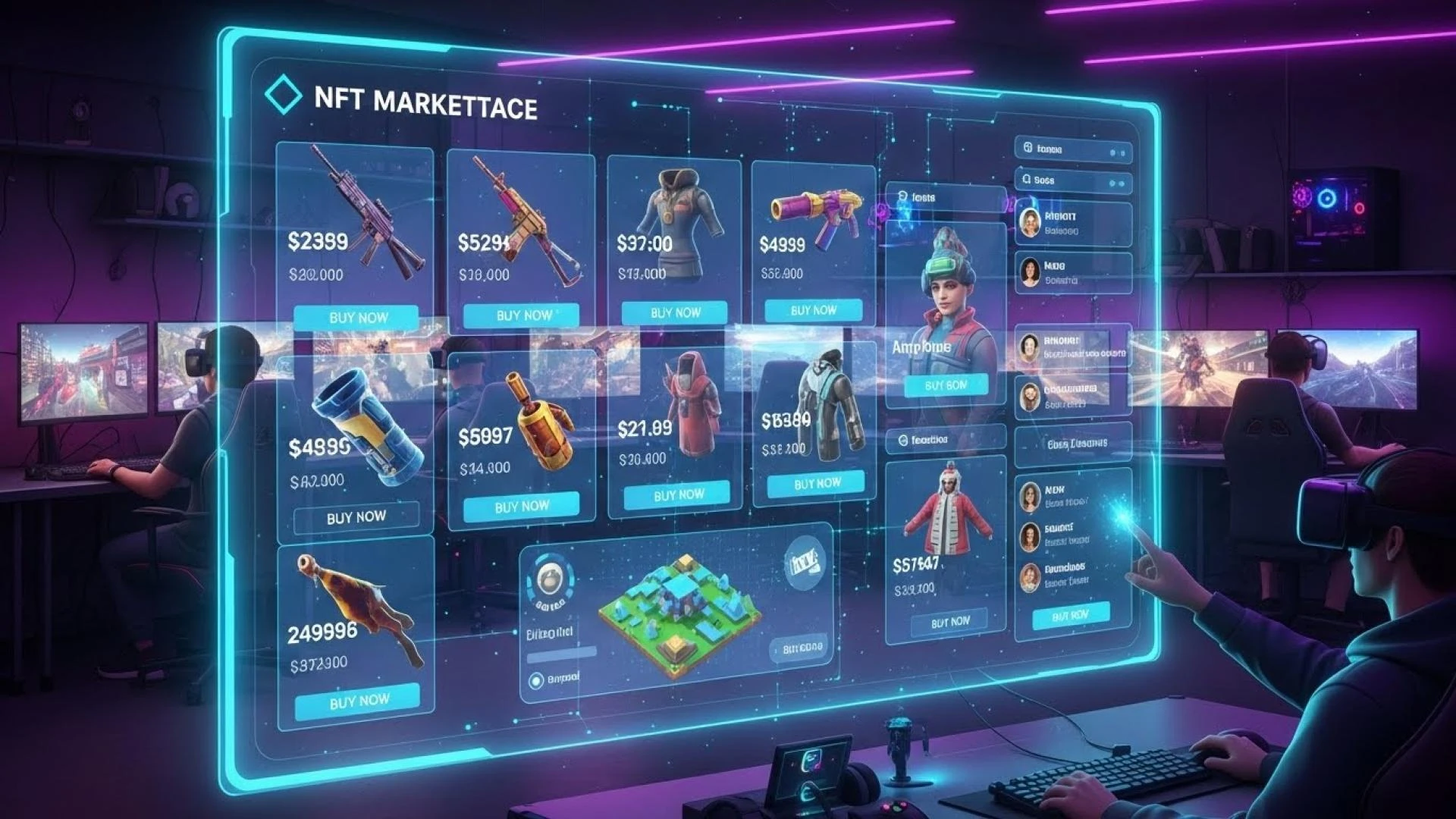
The gaming industry is experiencing a paradigm shift as in-game NFTs ranging from weapons and armor to vehicles and collectibles become integral to gameplay. These digital assets empower players to own, trade, and monetize items, transforming gaming into a player-driven economy with tangible value. Developing a fully functional NFT marketplace from scratch can be time-consuming, technically complex, and expensive. White label solutions provide an efficient alternative, offering pre-built, customizable platforms that streamline marketplace deployment. Partnering with the best white label NFT marketplace development company allows developers to focus on game design and engagement while benefiting from secure, scalable, and feature-rich NFT trading ecosystems.
What Is a White Label Game NFT Marketplace?
Creating an NFT marketplace from scratch involves extensive development, technical expertise, and considerable resources. White label game NFT marketplaces provide a ready-to-use framework that can be fully customized to match a game’s branding and features. These solutions allow developers to launch secure and scalable marketplaces quickly, without compromising quality or functionality. By adopting a white label approach, studios and startups can focus on game mechanics, player experience, and community engagement while still offering a professional, blockchain-backed trading platform for in-game assets.
- Definition of White Label NFT Marketplace in Gaming: A white label game NFT marketplace is a pre-built platform that enables developers to sell, trade, and manage in-game NFTs under their own branding. It provides the core infrastructure required to handle transactions, asset listings, and wallet integrations without building the platform from the ground up.
- Custom Development vs. White Label Solutions: Custom-built marketplaces demand extensive development, testing, and maintenance, often leading to high costs and long timelines. White label solutions, in contrast, offer ready-made frameworks that are customizable, allowing developers to launch quickly while maintaining control over branding and user experience.
- Benefits for Game Developers and Startups
- Speed to market: Deploy a fully functional marketplace faster than custom solutions.
- Cost efficiency: Save on development resources and long-term maintenance.
- Enhanced security: Pre-audited smart contracts and secure frameworks reduce technical risks.
How In-Game NFT Marketplaces Work
Understanding the mechanics of in-game NFT marketplaces is crucial for both developers and players. These platforms allow virtual items such as weapons, vehicles, and armor to be tokenized as NFTs, enabling ownership, trade, and monetization. Smart contracts and blockchain technology automate and secure transactions, ensuring transparency and trust. By enabling a player-driven economy, these marketplaces not only enhance engagement but also allow developers to create new revenue streams. Clear trading processes, combined with secure ownership, make NFT marketplaces a fundamental part of modern gaming ecosystems.
- Trading Process for In-Game Assets: Players can buy, sell, or exchange in-game NFTs through an integrated marketplace. Transactions are facilitated via blockchain, ensuring every trade is transparent, secure, and verifiable.
- Examples of NFT Assets: Weapons, armor, vehicles, and rare skins are tokenized as NFTs, giving players true ownership. Each item has a unique identifier, preventing duplication and establishing value based on rarity and demand.
- Role of Smart Contracts and Blockchain: Smart contracts automate transactions, guaranteeing that ownership transfers only occur once conditions are met. Blockchain ensures immutable records of ownership, creating a secure, trustless environment for trading digital assets.
Core Features of a White Label Game NFT Marketplace
A successful NFT marketplace requires robust functionality, seamless user experience, and security. White label solutions come equipped with essential features that cater specifically to gaming assets, including customizable asset listings, wallet integration, multi-chain support, and secure smart contract frameworks. These features ensure that both developers and players can interact efficiently and safely. Additionally, the ability to brand and customize the platform to match a game’s identity strengthens user loyalty and engagement while providing the infrastructure for a thriving in-game economy.
- Asset Listing and Trading Features: Users can list NFTs for sale, bid on items, and complete trades seamlessly. Advanced filters and search functions enhance usability and engagement.
- Wallet Integration and Payment Options: Integration with popular crypto wallets enables smooth transactions, while multiple payment options, including fiat and cryptocurrency, increase accessibility.
- Multi-Chain Support for Scalability: Supporting multiple blockchains allows players to interact with assets across different networks, expanding market reach and improving liquidity.
- Security and Smart Contract Audits: Regular audits and secure coding practices protect both developers and users from vulnerabilities and hacks.
- Customization and Branding: White label solutions allow full customization of UI, color schemes, and marketplace features, ensuring the platform aligns with the game’s identity and branding.
Benefits of a White Label Solution for Game Developers
Developers face multiple challenges when building an NFT marketplace from scratch, including high costs, technical complexity, and security risks. White label solutions address these challenges by providing pre-built platforms that are secure, scalable, and customizable. This allows developers to save time, reduce costs, and focus on enhancing gameplay. By leveraging these platforms, game studios can launch marketplaces faster, attract and retain players, and generate sustainable revenue while minimizing operational risks and maintaining high-quality user experiences.
- Faster Time-to-Market: Developers can launch their marketplaces quickly without extensive coding, giving them a competitive advantage.
- Reduced Development Costs: Eliminates the need for large teams and lengthy development cycles, freeing up budget for marketing, gameplay enhancements, and community building.
- Minimized Technical Risk and Security Vulnerabilities: Using pre-tested frameworks and smart contracts reduces the likelihood of bugs, hacks, or downtime.
- Focus on Gameplay and Player Engagement: Developers can dedicate more resources to creating immersive experiences rather than building infrastructure, enhancing player retention and satisfaction.
Monetization Opportunities
NFT marketplaces create multiple revenue streams for developers while empowering players to monetize their in-game achievements. Trading fees, commissions, and royalties ensure consistent income, while player-to-player sales of rare or limited-edition items create dynamic demand. Expanding marketplaces across multiple games also introduces scalability and cross-platform asset usage. Properly structured monetization models help studios sustain growth, reward creators, and enhance the overall value of in-game assets, making the gaming ecosystem both profitable and engaging.
- Trading Fees and Marketplace Commissions: Developers can earn a percentage from every transaction, providing a consistent revenue stream.
- Player-to-Player Sales of Rare Items: Marketplace participants can trade rare or limited-edition items, driving demand and increasing the overall value of assets.
- In-Game Royalties for Creators/Developers: Smart contracts allow creators to earn royalties every time an NFT is resold, creating ongoing revenue opportunities.
- Cross-Game Item Marketplaces for Scalability: Some platforms enable assets to be used across multiple games, increasing liquidity and player engagement while offering new monetization channels.
Building a Thriving Gamer Economy
The success of a game NFT marketplace depends on an active and engaged player base. Ownership of NFTs gives players a sense of control and investment in the ecosystem. By creating incentives for collecting and trading rare assets, and fostering community-driven marketplaces, developers can generate long-term engagement. Active communities contribute to economic activity, helping marketplaces thrive. Data-driven insights can further refine asset creation, trading, and event strategies, ensuring that the gamer economy remains dynamic, sustainable, and aligned with player interests.
- Ownership of NFTs Increases Engagement: Players are more invested in games where assets carry real-world value, encouraging active participation and long-term commitment.
- Incentivizing Trading and Collecting Rare Items: Rewards, achievements, and limited-edition drops encourage players to acquire, trade, and hold assets, stimulating marketplace activity.
- Community-Driven Marketplaces: Communities influence asset design, events, and trading strategies, fostering loyalty and creating a dynamic ecosystem where players contribute to the marketplace’s growth.
Conclusion
White label game NFT marketplaces provide an efficient, secure, and customizable pathway for developers to build thriving digital economies. By partnering with the best white label NFT marketplace development company, game studios can reduce technical risks, lower costs, and accelerate time-to-market while creating engaging experiences that incentivize player participation and monetization. These marketplaces transform in-game assets into valuable commodities, empower players, and lay the foundation for sustainable, community-driven gaming economies. Developers seeking to unlock the full potential of NFT-based gaming should explore white label solutions for their next project.