
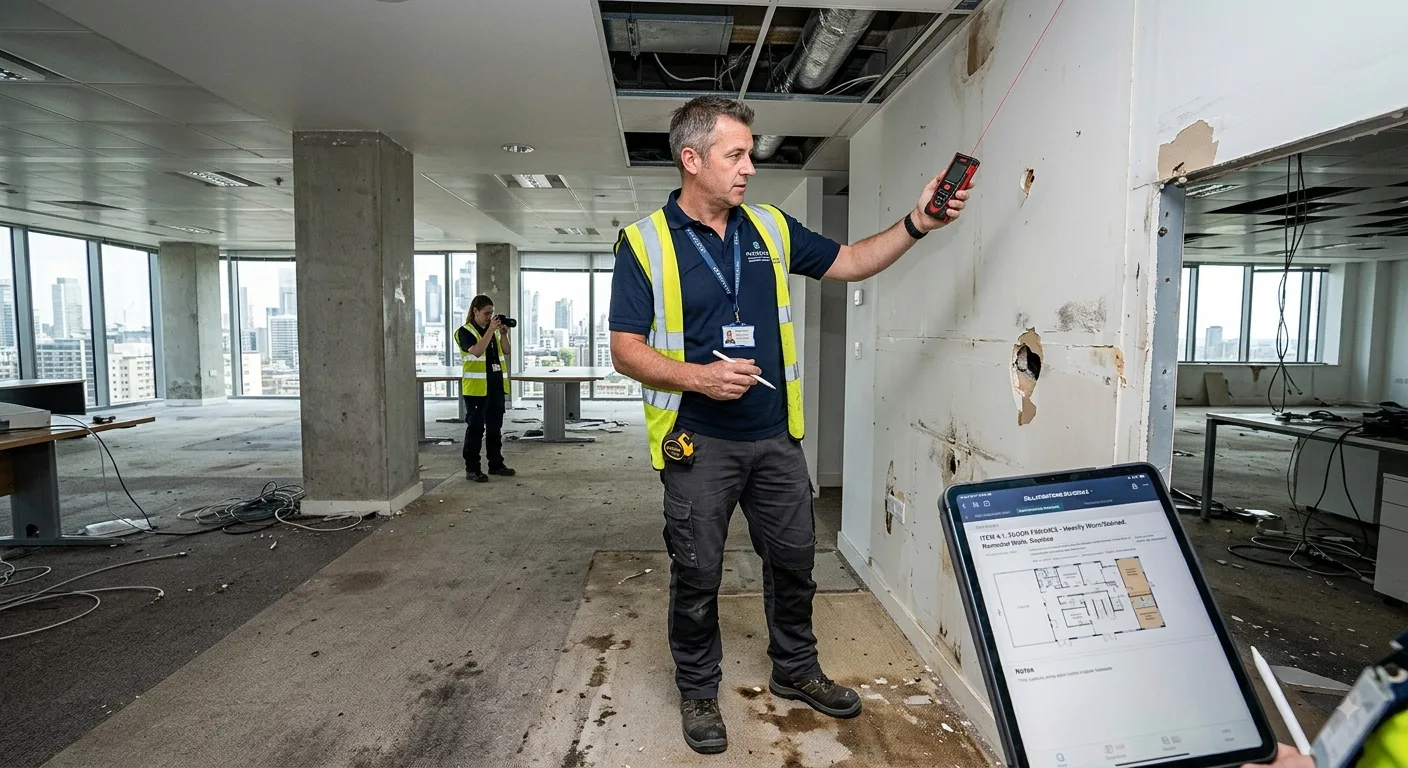
Many businesses wait until their commercial lease is about to expire before thinking about dilapidations. Unfortunately, leaving the issue until the last minute can limit the time available to resolve problems and negotiate with the landlord.
Appointing a Commercial Dilapidations Expert at the right stage can help tenants plan ahead and give landlords stronger evidence when preparing a claim.
Before Signing a Commercial Lease
Dilapidations advice can be useful even before a tenant occupies a property. Reviewing repair, reinstatement, and alteration obligations during lease negotiations can help a business understand its potential future responsibilities.
At this stage, an expert can also highlight any unusually onerous clauses, such as full reinstatement requirements or strict decoration provisions. Identifying these early can influence negotiations and potentially reduce long-term liabilities.
During the Lease
A mid-term inspection can highlight maintenance and repair issues before they become more expensive. Businesses can then plan works as part of their normal property management rather than facing a large bill at the end of the lease.
Regular reviews also help ensure compliance with lease terms, reducing the risk of accumulating avoidable breaches over time.
Before Lease Expiry
This is one of the most important stages for obtaining professional advice. A commercial dilapidations expert can inspect the property, review the lease, and identify potential liabilities.
This allows tenants to consider whether to complete works before expiry or negotiate an alternative settlement. It also provides time to obtain competitive quotations and avoid inflated end-of-lease contractor costs.
After Receiving a Dilapidations Claim
If a tenant receives a schedule of dilapidations, professional review can help determine whether the items and costs are supported by the lease and the actual condition of the property.
An expert can also assist with negotiations and provide technical evidence where disagreements arise. In many cases, this can significantly reduce the final settlement figure.
Why Timing Matters
Early advice gives businesses more choices. It can help avoid rushed repairs, improve budgeting, and provide greater confidence when communicating with landlords.
It also reduces the likelihood of disputes escalating into formal legal proceedings, which can be both time-consuming and costly for all parties involved.
Additional Benefits of Early Instruction
Appointing an expert early can also support better record-keeping throughout the lease term. Photographic schedules, condition reports, and maintenance logs can all be used to defend against exaggerated claims at lease end. This proactive approach often strengthens a tenant’s negotiating position and provides clarity for landlords as well.
Conclusion
There is no need to wait until a commercial lease has expired before considering dilapidations. From lease negotiations to final settlement, a Commercial Dilapidations Expert can provide useful guidance at every stage and help property owners and occupiers manage potential liabilities effectively.