Reimagining Fashion: From Runways to Real Impact
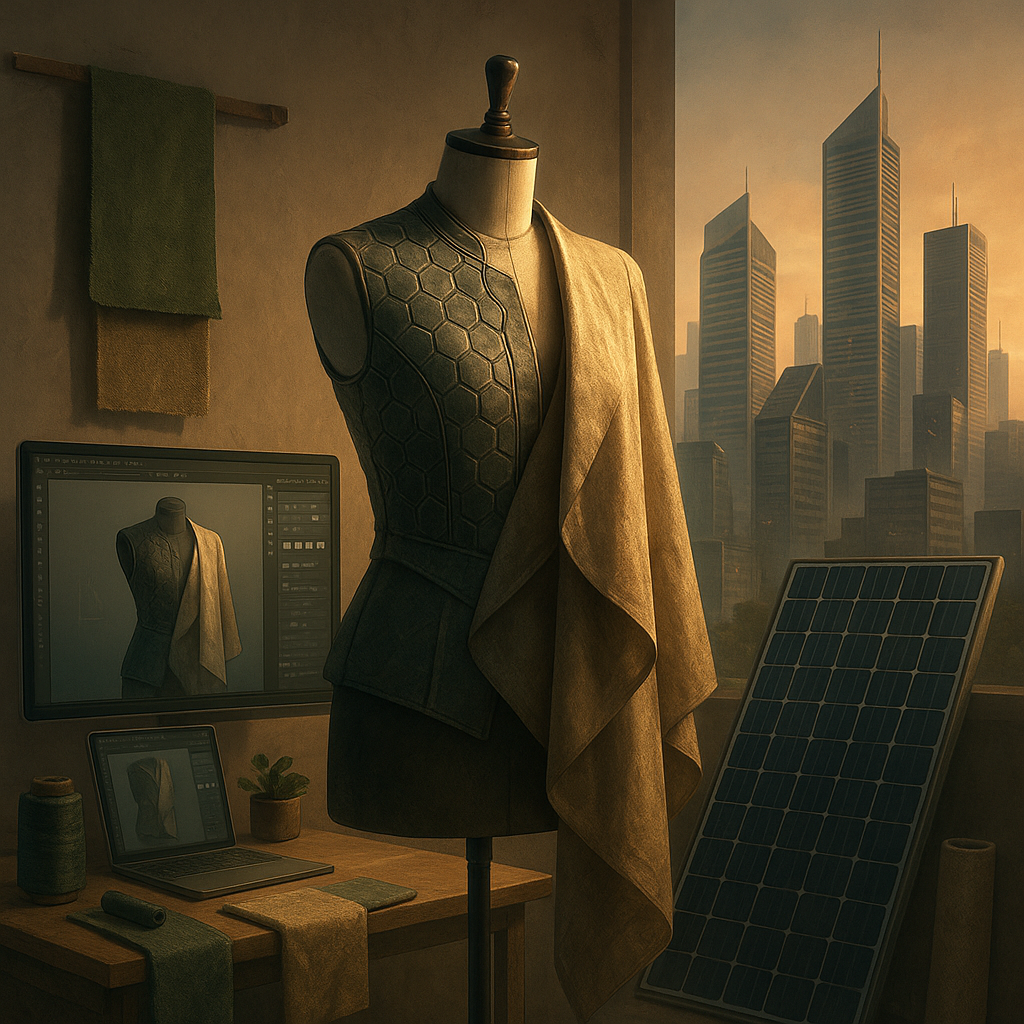
On a crisp spring evening in Paris, the traditional fashion capital, a new kind of runway show unfolded in 2026. Instead of models parading the latest seasonal collections, this event showcased garments crafted entirely from regenerative materials, produced with AI-optimized zero-waste techniques. This scene captures a pivotal moment in fashion’s ongoing transformation — where style is no longer just about aesthetics but deeply intertwined with ethics, technology, and identity. Industry insiders estimated this show attracted 40% more global viewers than the 2025 Paris Fashion Week, signaling a shift in consumer priorities and industry standards.
The fashion world, long criticized for its environmental footprint and rapid turnover of trends, is now undergoing one of the most profound reinventions in decades. This reinvention is not merely cosmetic; it’s structural, affecting supply chains, design processes, consumer behavior, and even cultural narratives around clothing. By 2026, the integration of cutting-edge technology and sustainability initiatives defines the sector’s future trajectory.
“Fashion today is less about fleeting trends and more about lasting impact. The industry’s future depends on how it balances creativity with responsibility,” said Dr. Elaine Morrow, a leading sustainable fashion researcher at the London Institute of Textiles.
Tracing the Roots: How Fashion Arrived at This Crossroads
To understand the seismic shifts in 2026, one must look back over the past decade. The 2010s and early 2020s were marked by fast fashion’s dominance — brands like Shein and Zara revolutionized accessibility but at significant environmental and social costs. By 2023, global awareness of fashion’s contribution to pollution, waste, and labor exploitation reached a tipping point. According to reports from the Ellen MacArthur Foundation, the fashion industry accounted for nearly 10% of global carbon emissions and produced over 92 million tons of textile waste annually.
This mounting pressure coincided with technological breakthroughs. AI-driven design tools began enabling pattern optimization that minimized fabric waste, while blockchain technologies enhanced transparency in supply chains. These innovations empowered both designers and consumers to make more informed, ethical decisions. Simultaneously, consumer expectations evolved, with Gen Z and Alpha generations demanding brands that reflect their values of sustainability and inclusivity.
The industry’s response was uneven. Luxury houses initially resisted, wary of diluting exclusivity, while niche brands embraced sustainable practices as a core ethos. Over time, however, sustainability became a business imperative rather than a marketing add-on. Governments strengthened regulations — from stricter reporting on environmental impact to incentivizing circular economy models — further accelerating change.
Analyzing 2026: Data-Driven Insights into Fashion’s Transformation
The current state of fashion in 2026 reflects a complex interplay of technology, consumer behavior, and policy. Global fashion revenue surpassed $2.5 trillion, yet sustainable and circular fashion segments grew at an unprecedented compound annual growth rate (CAGR) of 18%, compared to 3% for traditional fast fashion, according to data from industry analysts at Fashion Futures Consortium.
Key metrics illustrate this shift:
- Material Innovation: Over 60% of new garments utilize bio-based or recycled fibers, up from 25% in 2020.
- Supply Chain Transparency: 75% of major brands publish real-time environmental impact data, leveraging blockchain platforms.
- Consumer Engagement: 45% of shoppers prefer brands offering apparel-as-a-service or resale options, signaling a move towards circular consumption.
Technology is central to these developments. AI-driven predictive analytics enable brands to forecast demand with 90% accuracy, reducing overproduction and waste drastically. Virtual and augmented reality (VR/AR) applications facilitate personalized shopping experiences, reducing the need for physical samples and returns, which historically contribute heavily to carbon footprints.
“The marriage of AI and sustainability is not just a trend; it’s reshaping how fashion operates at every level,” notes Anil Desai, CTO of a leading fashion-tech startup. “We’re seeing breakthroughs that were unimaginable a decade ago.”
2026 Developments: Sustainability and Innovation Take Center Stage
In 2026, sustainability has transitioned from niche to mainstream in fashion. Major brands across Europe, Asia, and North America have committed to achieving net-zero emissions by 2035, exceeding previous targets. The rise of regenerative agriculture for natural fibers like cotton and wool is a game changer, with methods that restore soil health and increase biodiversity.
Technology firms are partnering with fashion houses to develop advanced textile recycling technologies, enabling garments to be broken down into raw materials without quality loss. This has led to a 30% increase in the use of recycled fibers in luxury and mass-market collections alike.
Meanwhile, digital fashion — clothing that exists solely in virtual environments — has expanded rapidly. According to market research from The Digital Dress Consortium, virtual apparel sales grew by 150% year-over-year, driven by demand in gaming, social media, and the metaverse. While digital fashion reduces physical waste, it raises new questions about energy consumption and digital equity.
Social movements continue to influence design and marketing. There is a growing emphasis on diversity, inclusivity, and cultural authenticity. Brands are collaborating with Indigenous artisans and minority designers to preserve heritage crafts while ensuring fair compensation.
“Fashion’s evolution in 2026 is marked by a holistic approach — not just ecological but social sustainability,” explains Maria Chen, editor-in-chief of Style Innovators Magazine. “This is the era of meaningful fashion.”
Industry Voices and the Broader Impact
Experts across the spectrum agree that fashion’s transformation is multifaceted. Designers emphasize creativity unlocked by sustainable constraints, while supply chain managers highlight efficiency gains. Economists point to shifting market dynamics as consumer preferences redefine value.
Leading voices include Stella Arkwright, founder of a pioneering zero-waste brand, who states, “Sustainability challenges us to rethink design fundamentals. It’s about creating garments that transcend seasons and trends.” Meanwhile, industry analysts warn that smaller brands may struggle to meet rising compliance costs, potentially consolidating market power among larger players.
Fashion’s ripple effects extend beyond style. Urban planners note increased demand for local manufacturing hubs, reducing transportation emissions. Educational institutions are incorporating sustainability and tech into curricula, preparing the next generation of designers and entrepreneurs.
Some challenges remain. The environmental impact of synthetic fabrics and microplastics persists. Labor rights in emerging markets continue to require vigilance. Yet, the industry’s trajectory is clear — innovation and responsibility are no longer optional but essential.
Looking Ahead: What Fashion’s Future Holds
As 2026 progresses, several trends warrant close attention. First, the expansion of circular economy models, including garment leasing, resale platforms, and upcycling, is expected to accelerate. Industry estimates project that by 2030, more than 50% of apparel sales will involve secondhand or rented items.
Second, advances in AI and biotechnology will further revolutionize materials and design. Lab-grown leather and spider silk alternatives are entering commercial production, promising durability with minimal ecological impact. AI-enhanced customization will make mass-produced fashion more personalized and less wasteful.
Third, digital fashion and the metaverse will deepen their influence, blending identity expression with technology. Ethical frameworks will need to evolve to address digital rights and sustainability in virtual environments.
Consumers will remain a driving force. Transparency, authenticity, and purpose will continue to shape purchasing decisions, forcing brands to maintain high standards or face reputational risks.
In sum, fashion is no longer just a reflection of culture but a catalyst for systemic change. For those interested in the detailed intersection of sustainability and technology shaping this new era, see Why Sustainability and Tech Are Steering Fashion’s Bold New Era. To understand how identity and innovation converge, explore How Fashion’s New Frontier is Shaping Identity and Innovation.
- Expansion of sustainable textile innovations
- Growth of circular and rental fashion models
- Integration of AI in design and supply chain
- Rise of digital and virtual fashion ecosystems
- Increasing consumer demand for transparency and ethics
The fashion industry’s evolution presents both enormous challenges and inspiring opportunities. Stakeholders from designers to consumers must engage thoughtfully to ensure style, sustainability, and technology advance in harmony.