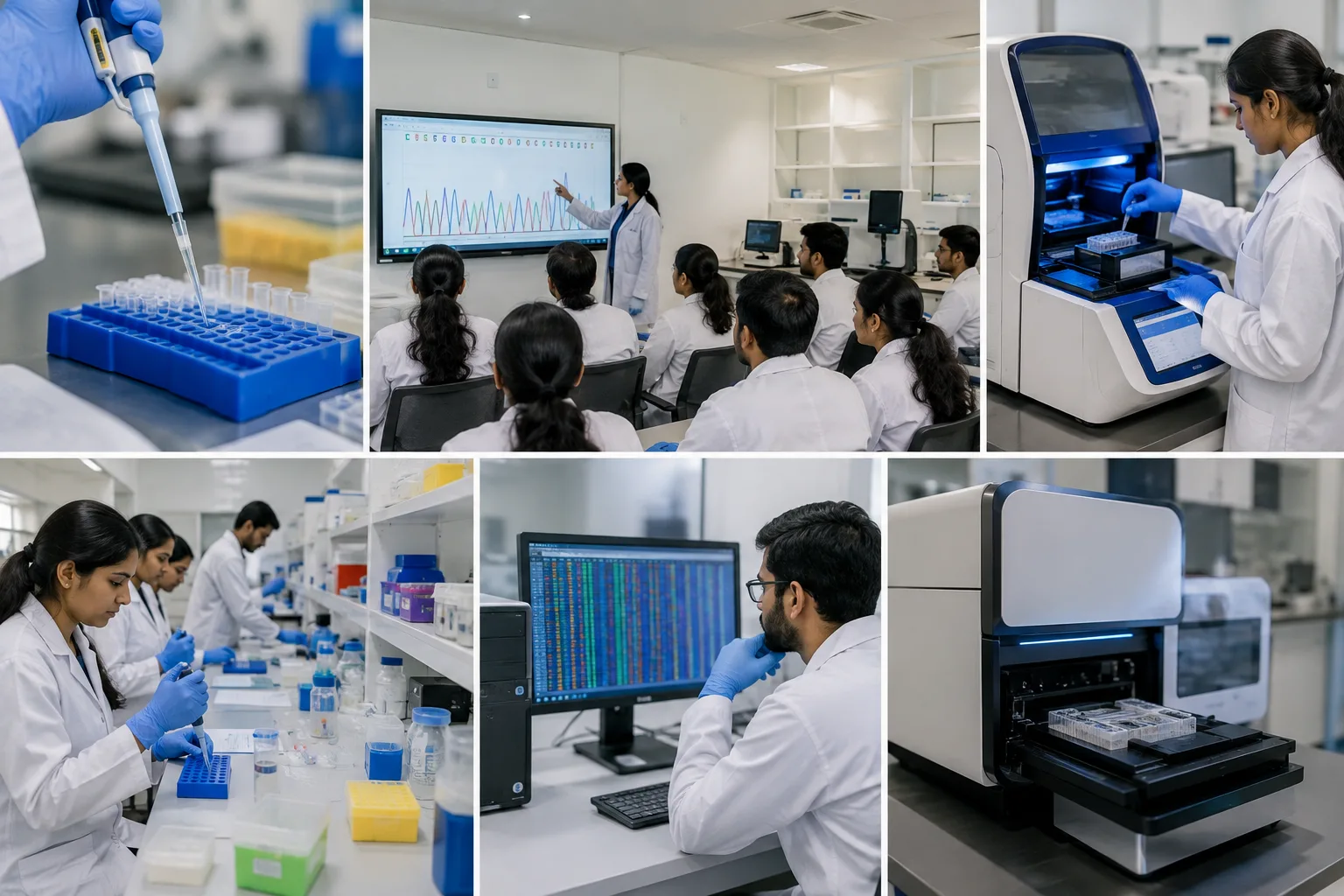
Ever wondered what actually goes on behind the doors of a genomics lab during a training session? If you're picturing rows of students staring silently into microscopes, think again. A real Sequencing Training day is hands-on, fast-paced, and honestly, a lot more interesting than most people expect. Let's walk through what a typical day looks like, from the first cup of chai to the final data readout.
The Structure of the Training Day
Most sequencing training days follow a rhythm that balances theory with practice. Mornings usually begin with a short classroom session where trainers introduce the day's concept, whether that's sample preparation, library construction, or data interpretation. This isn't a dry lecture; it's more of a conversation, with trainers using real examples and case studies to make abstract concepts click.
By mid-morning, everyone moves to the lab. This is where things get exciting. Trainees work in small groups, handling actual samples, running protocols, and learning to operate sequencing equipment under supervision. Afternoons are often reserved for data analysis, where students learn to interpret the results they generated earlier in the day. It's a full loop, from sample to insight, all within a single session.
Types of Activities Involved
A well-rounded sequencing program mixes several kinds of learning:
- Wet-lab sessions: pipetting, sample prep, library building, and running the sequencer itself
- Bioinformatics practice: analyzing raw data using basic software tools
- Group discussions: troubleshooting unexpected results together
- One-on-one mentorship: trainers checking in on individual progress
- Recap sessions: reviewing the day's learnings before wrapping up
This mix keeps the pace varied and ensures trainees aren't just memorizing steps, they're actually building muscle memory for real lab work.
Experiences Shared by Attendees
Talk to anyone who has been through a sequencing course, and you'll notice a common theme: the first time they see their own generated data appear on screen, something shifts. Many describe it as the moment the training stopped feeling academic and started feeling real. Others mention how much they valued working alongside peers who were equally curious, since troubleshooting together often taught them more than the manual ever could.
Benefits of Attending Such a Program
Beyond the technical skills, structured training builds confidence. Trainees leave not just knowing sequencing steps, but understanding why each step matters, how to spot errors, and how to think like a lab professional. That kind of practical fluency is hard to get from textbooks alone.
Quick Recap: What You Gain from Sequencing Training
- Hands-on experience with real samples and equipment
- A structured blend of theory, practice, and analysis
- Mentorship from experienced trainers
- Confidence to handle real-world lab challenges
- A supportive peer environment for learning
If this sounds like the kind of hands-on, immersive learning you've been looking for, it might be time to explore your options. A great Training Institute Kochi can turn curiosity into capability, one lab session at a time. Reach out to Veta Genomics to learn more about how their sequencing training programs can set you on the right path.