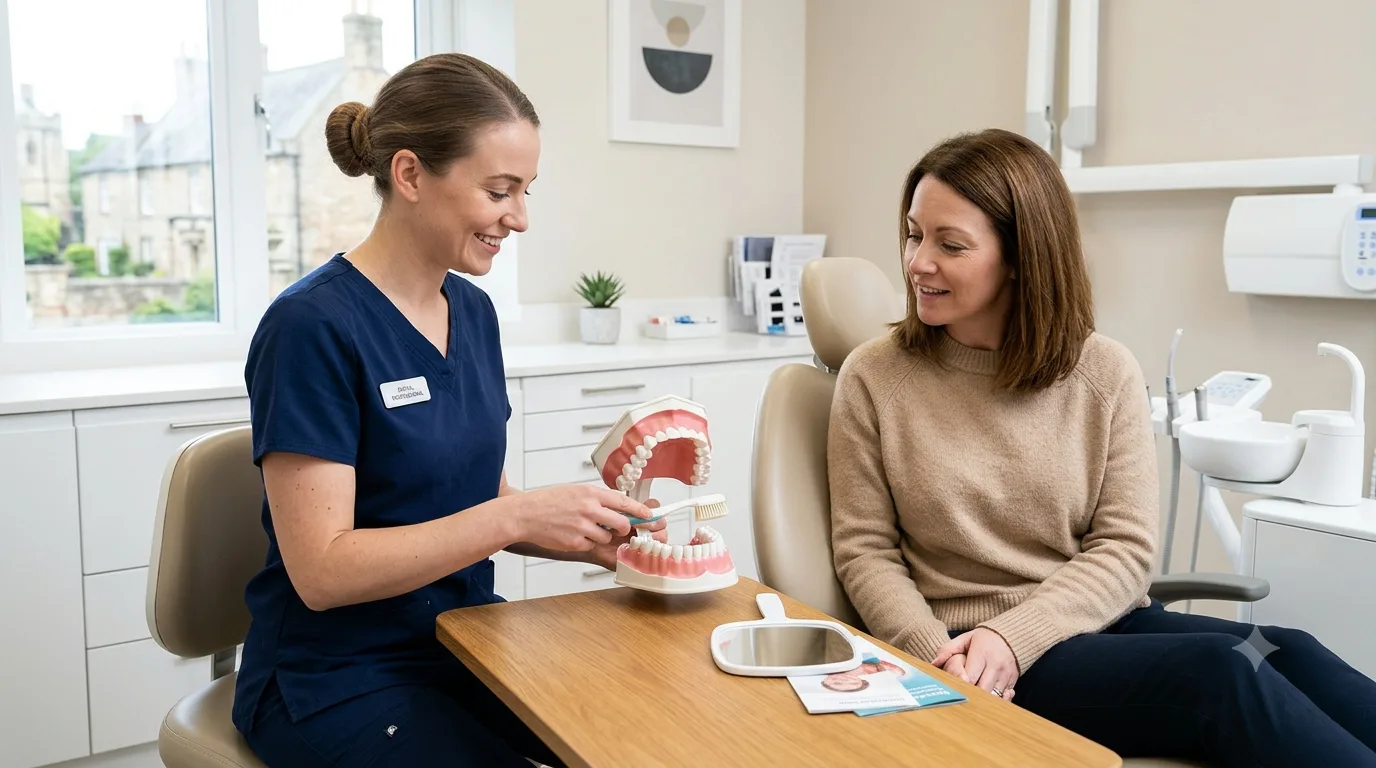
Choosing a dental clinic is an important decision for anyone who wants to maintain good oral health. A suitable practice should help patients understand their dental needs, identify potential problems and receive appropriate professional care.
Although many people only think about visiting a dentist when they experience pain, routine examinations are equally important. Dental problems can develop gradually, and early signs are not always obvious.
Understanding what to look for when selecting a dental clinic can make it easier to find appropriate care and establish healthy long-term habits.
Why Selecting the Right Dental Clinic Matters
A dental clinic can play an important role throughout different stages of life. From childhood examinations to adult restorative treatment, regular dental support helps individuals maintain their teeth and gums.
Choosing a practice that communicates clearly is particularly important. Patients should feel comfortable discussing symptoms and asking questions about their treatment.
A positive relationship with a dental professional may also encourage regular attendance. This can help prevent people from delaying examinations until a dental problem becomes more serious.
Consistency and Continuity of Care
Dental history can influence future treatment recommendations. Existing fillings, crowns, previous gum problems and tooth sensitivity may all be relevant during an examination.
Attending appointments consistently makes it easier for your dentist to monitor changes and maintain an understanding of your oral health.
Continuity can also reduce the need to explain your dental history repeatedly.
What Should You Look for in a Dental Practice?
Several factors are worth considering when comparing dental clinics. Professional registration, accessibility, communication and information about treatment costs should all form part of your decision.
A practice should be able to explain its services and appointment arrangements clearly. You should also be able to understand whether a particular procedure is available and whether a consultation is required first.
Professional Standards and Patient Information
Check that the dental professionals providing your treatment are appropriately registered with the General Dental Council where required.
You can also review the practice's patient information to understand its approach to examinations, treatment planning and communication.
Clear information about complaints procedures and patient rights is another useful consideration.
Accessibility and Appointment Arrangements
Location and appointment availability can influence how easily you maintain regular dental visits.
Consider whether the practice is accessible, whether appointment times suit your routine and how cancellations or urgent concerns are handled.
Convenience should support good dental habits rather than become the only factor influencing your decision.
Understanding the Importance of Preventive Dentistry
Preventive dentistry focuses on protecting oral health before problems develop or become more complicated.
A routine examination allows your dentist to assess your teeth and gums. They may identify early decay, signs of gum disease or areas affected by wear.
Professional advice can then help you improve your home care routine.
Why Early Detection Matters
Tooth decay can progress without producing immediate pain. Similarly, gum disease may begin with mild inflammation before more noticeable symptoms appear.
Early identification allows your dentist to discuss suitable management options.
This may involve changes to your cleaning routine, professional treatment or further investigation depending on the condition.
The Role of Professional Cleaning
Plaque is a sticky bacterial film that forms on teeth. If it is not removed effectively, it can harden into calculus, commonly called tartar.
Calculus cannot be removed through ordinary brushing alone. Professional cleaning can help remove deposits from areas that are difficult to manage at home.
Your dentist or dental hygienist can advise whether a cleaning appointment is appropriate.
Common Dental Treatments and Their Purposes
Dental clinics may provide a range of general treatments depending on their facilities and clinical arrangements.
Fillings are used to restore teeth affected by decay. Crowns may protect teeth that have experienced significant structural damage.
Patients with missing teeth may discuss replacement options, while those concerned about the appearance of their smile may explore suitable cosmetic procedures.
The most appropriate treatment depends on the clinical condition of the teeth and the patient's preferences.
Understanding Treatment Recommendations
Before proceeding, patients should understand what a recommended procedure involves.
Ask about the expected outcome, potential limitations, alternative treatments and aftercare requirements.
It is also important to discuss costs before making a decision. Clear financial information allows patients to plan their care more confidently.
Everyday Habits That Support Dental Health
Daily oral hygiene is essential for maintaining the results of professional dental care.
Brush twice a day with fluoride toothpaste and clean between your teeth daily. Use a suitable toothbrush and replace it when the bristles become worn.
Reducing frequent sugar consumption is another important step. The frequency of sugary food and drink exposure can influence the risk of tooth decay.
Water is generally a suitable everyday drink, while regular consumption of acidic beverages may contribute to enamel erosion.
Looking After Your Gums
Healthy gums should not regularly bleed during brushing or interdental cleaning.
If bleeding continues, arrange an assessment rather than avoiding the affected area. Stopping cleaning can allow more plaque to accumulate and potentially worsen inflammation.
Your dental professional can demonstrate effective techniques for cleaning along the gumline.
Making Dental Appointments Part of Your Routine
The best way to benefit from dental care is to make it a consistent part of your health routine.
Do not wait until you experience significant discomfort before arranging an examination. Routine appointments provide an opportunity to discuss changes and receive preventive advice.
If you are reviewing local options, you can find information about Southwell dental services to help understand the available practice information and care arrangements.
Ultimately, a suitable dental clinic should help you make informed decisions and maintain healthy oral habits.
Frequently Asked Questions
What is the purpose of a dental clinic?
A dental clinic assesses and treats conditions affecting the teeth and gums while supporting preventive care and long-term oral health.
How can I check whether a dental professional is registered?
You can use the General Dental Council's online register to check the registration status of dental professionals in the UK.
What happens during a first dental examination?
The dentist reviews your dental history, examines your teeth and gums and discusses any concerns or recommended investigations.
Is professional dental cleaning necessary?
Professional cleaning may be recommended to remove hardened deposits and support gum health. The frequency depends on individual needs.
Can I ask about treatment prices before an appointment?
Yes. You should request clear information about examination fees and estimated treatment costs before agreeing to procedures.
ARTICLE 8
Title: Finding a Dental Clinic Near Me: What Patients Should Consider
Target Keyword: dental clinic near me
Anchor Text: local dental care in Southwell
Target URL: https://www.southwelldental.co.uk/
Finding a Dental Clinic Near Me: What Patients Should Consider
Searching for a dental clinic near me is often the first step people take when they need professional dental advice or want to arrange a routine examination. Having access to a convenient practice can make it easier to attend appointments regularly and maintain good oral health.
However, choosing a dental clinic should involve more than selecting the closest location. Patients should also consider professional standards, communication, available treatments and the overall approach to patient care.
Understanding these factors can help you make a more informed decision and choose a dental practice that supports your long-term needs.
Why Location Matters When Choosing Dental Care
A conveniently located dental practice can make regular appointments easier to manage. Travel time, parking arrangements and accessibility may all influence whether patients find it practical to attend examinations.
This is particularly relevant for families, older adults and people with busy work schedules.