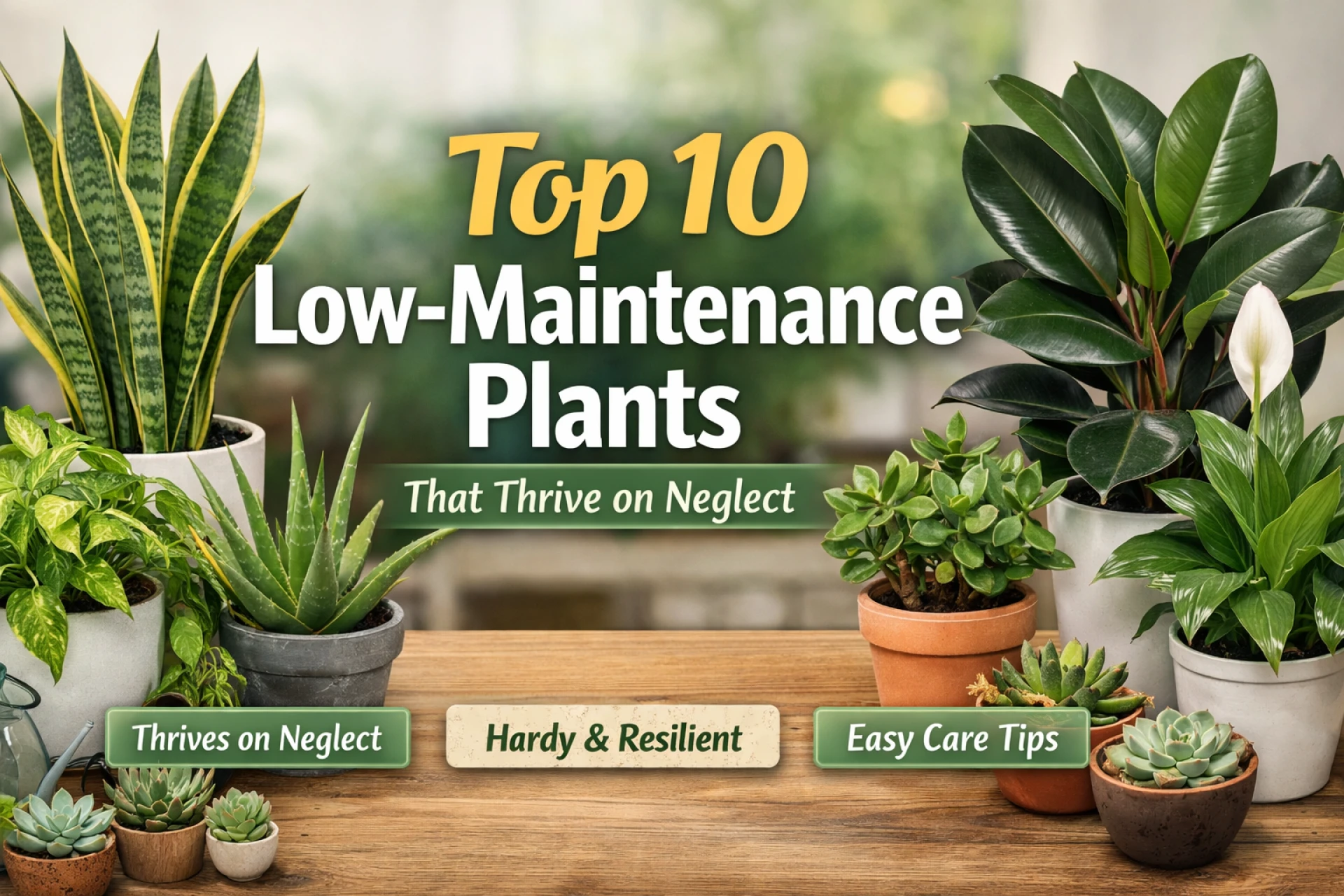
Busy schedules, frequent travel, or simple forgetfulness can make plant care challenging. Fortunately, many plants are biologically adapted to drought, low light, and irregular watering. These resilient species store water efficiently, grow slowly, and tolerate environmental fluctuations—making them ideal for beginners, offices, or low-effort homes. Below is a structured guide to ten plants that can thrive even when care is inconsistent.
1. Snake Plant (Sansevieria)
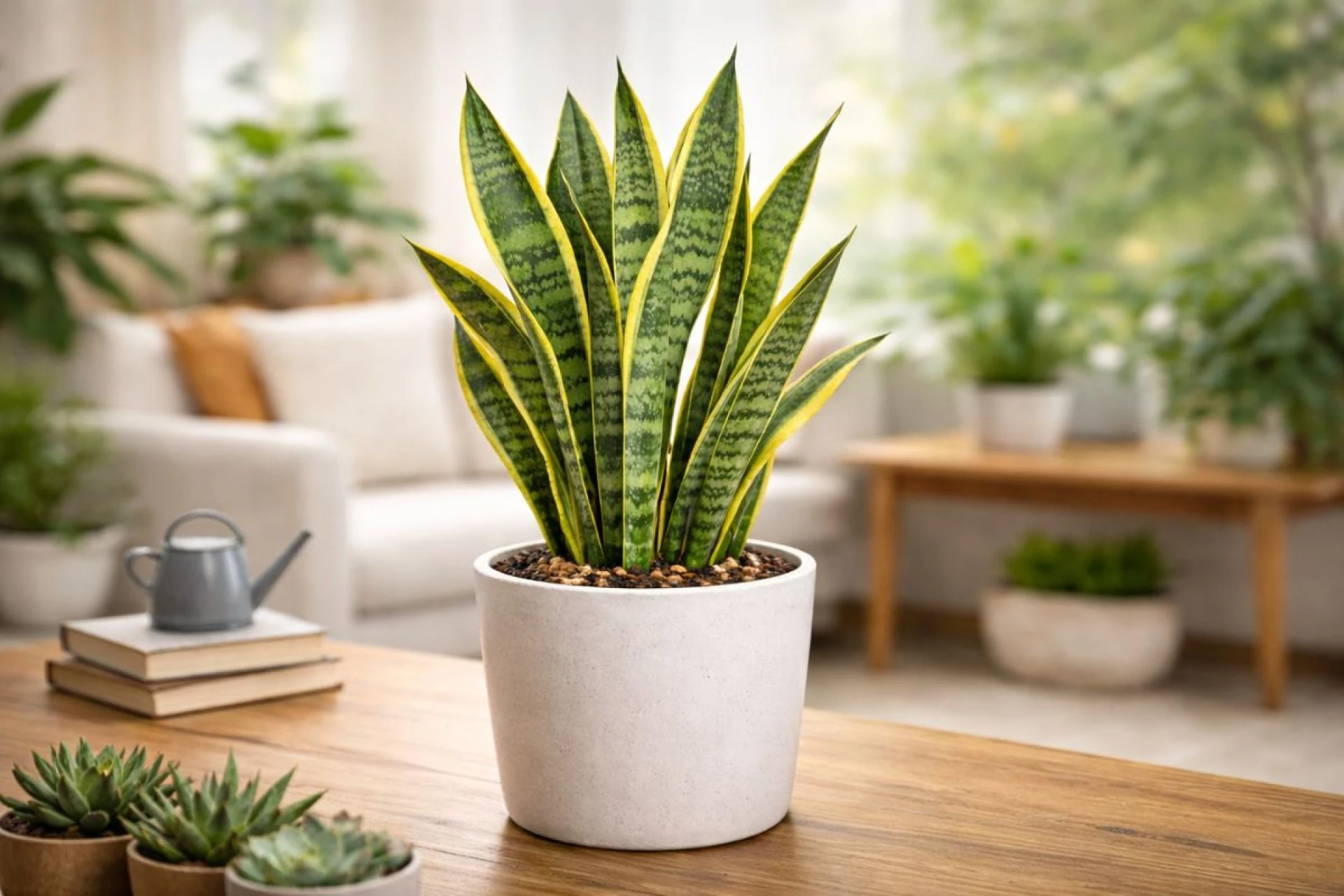
Snake plants are extremely hardy and can tolerate low light, dry air, and missed watering cycles. Their thick leaves store water, allowing them to survive for weeks without attention.
Care profile:
- Light: Low to bright indirect
- Water: Every 2–3 weeks
- Key advantage: Highly drought-tolerant
2. ZZ Plant (Zamioculcas zamiifolia)
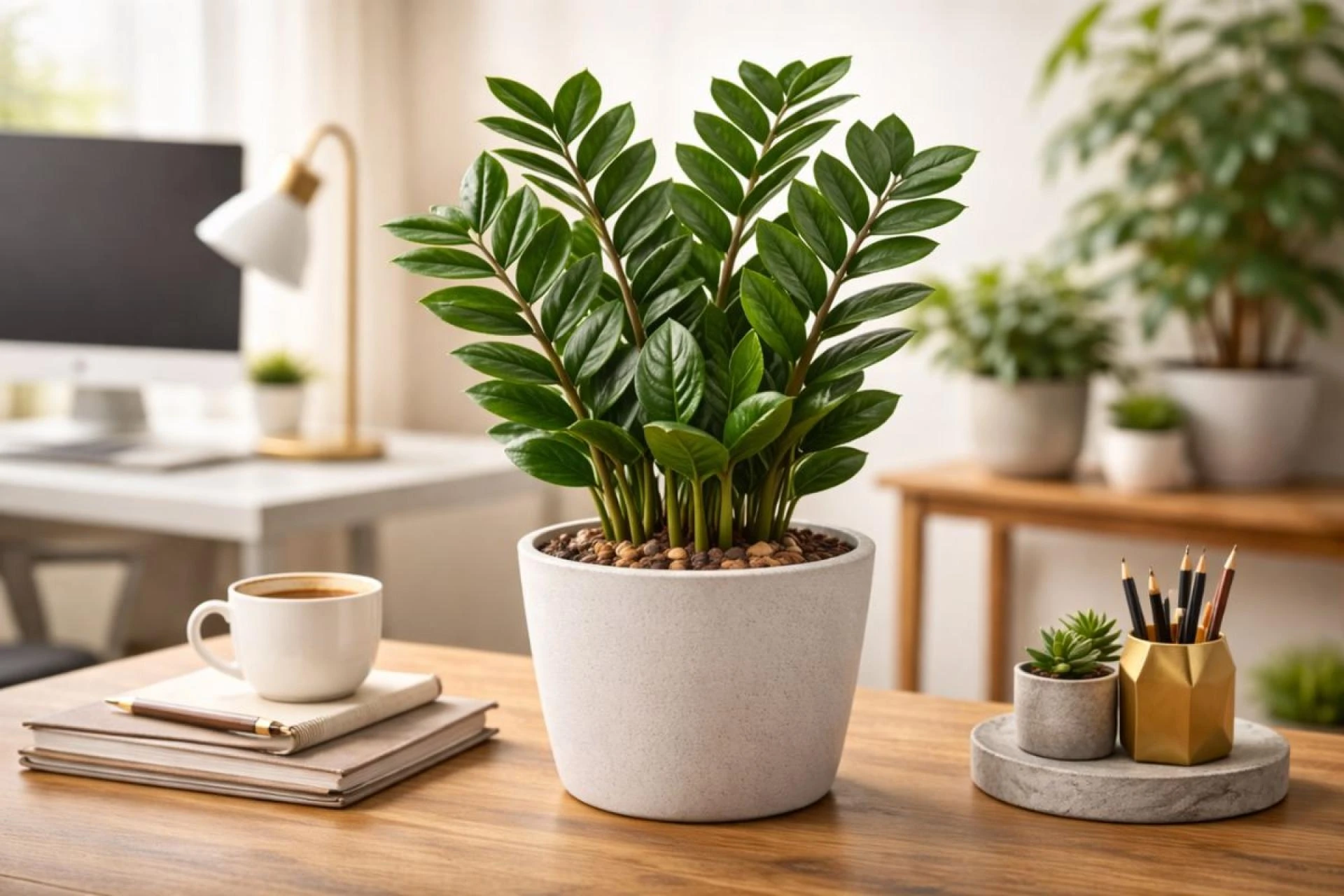
The ZZ plant stores moisture in underground rhizomes, making it one of the most neglect-resistant indoor plants available. It thrives in offices and low-light corners.
Care profile:
- Light: Low to moderate
- Water: Every 2–4 weeks
- Key advantage: Survives long dry periods
3. Pothos (Epipremnum aureum)
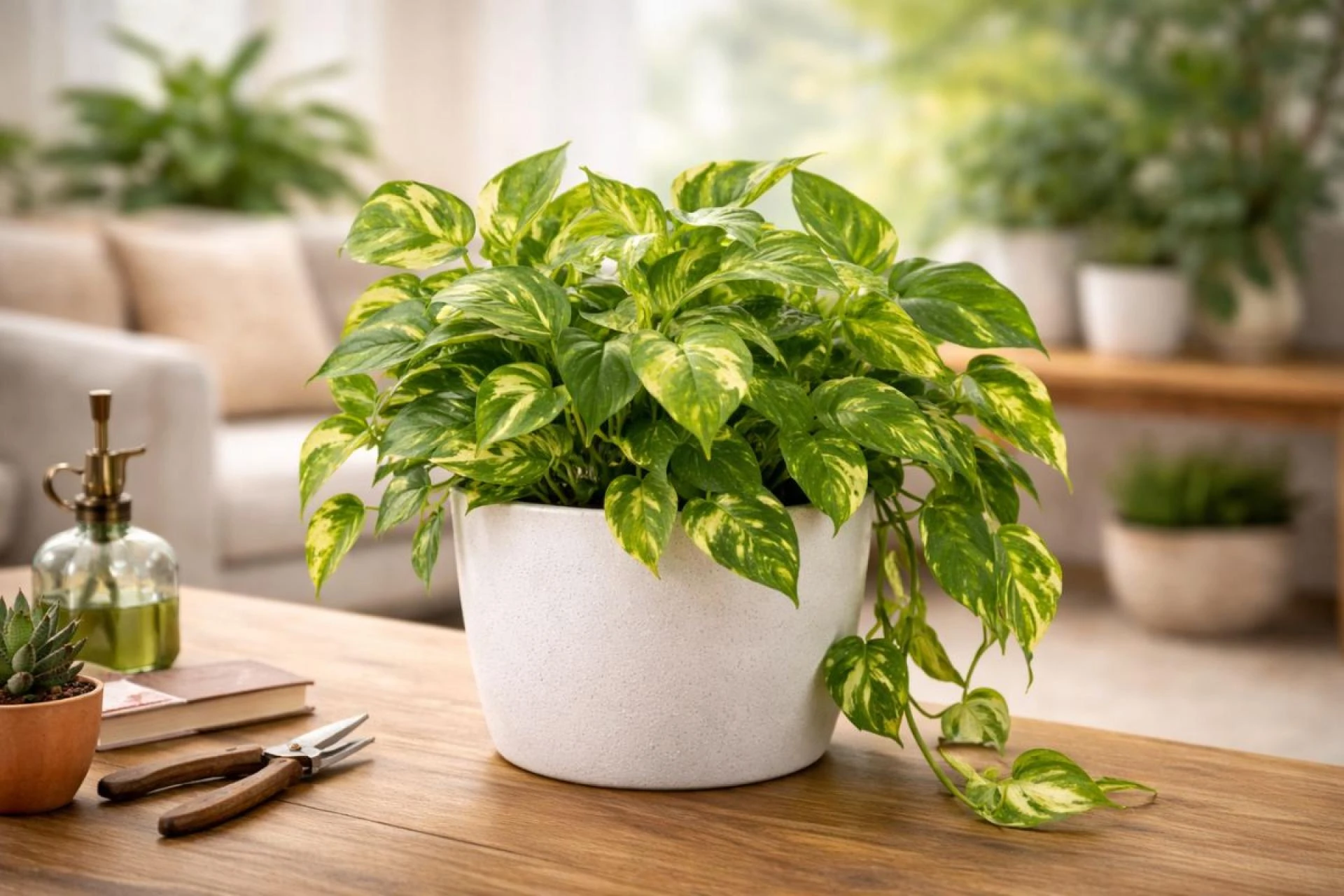
Pothos is a trailing vine known for its adaptability. Even if leaves wilt from dryness, the plant often recovers quickly once watered.
Care profile:
- Light: Low to bright indirect
- Water: When soil is dry
- Key advantage: Fast recovery from neglect
Similar Link: Hawaiian Landscaping on a Budget: Affordable Ideas to Beautify Your Yard
4. Aloe Vera
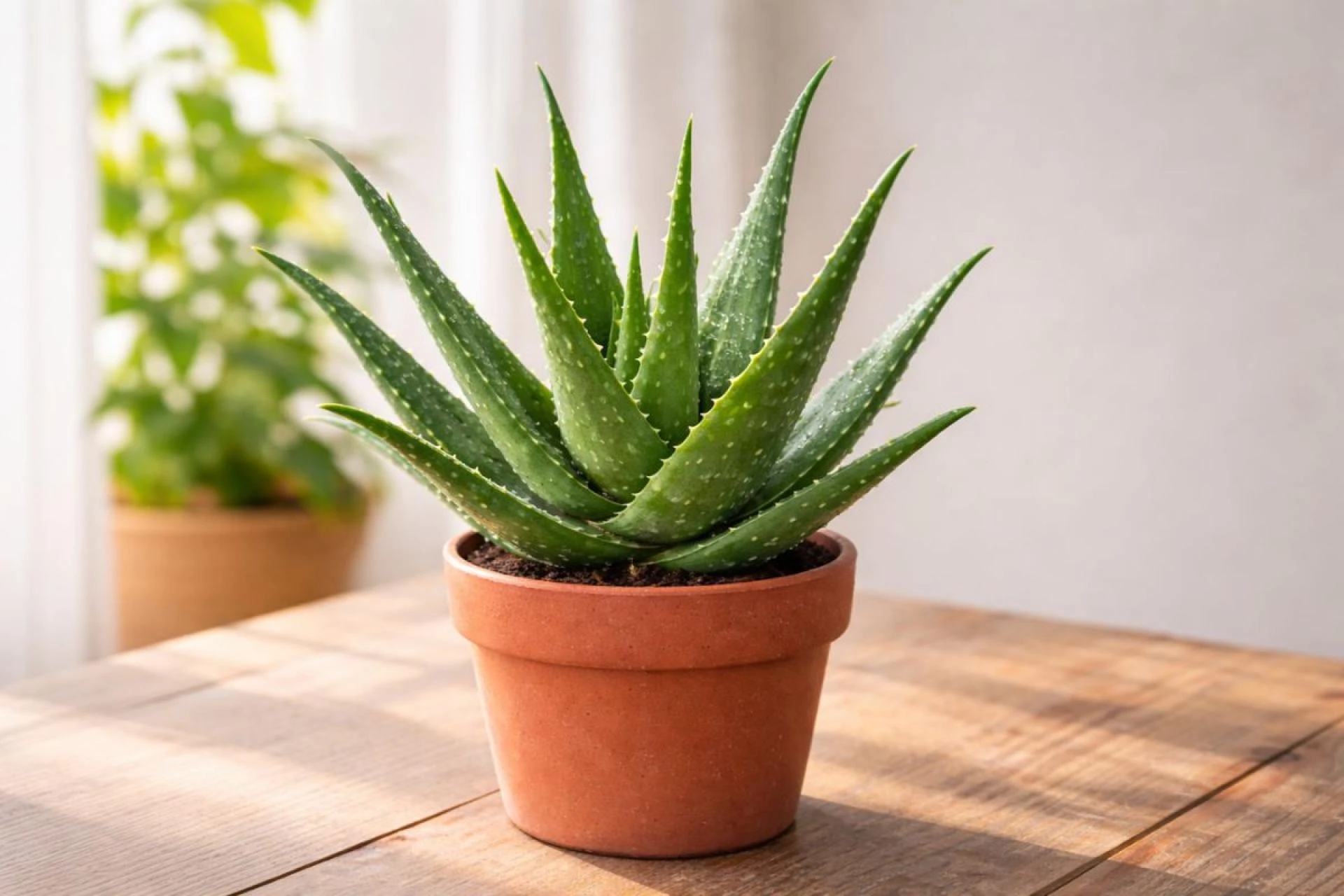
Aloe vera is a succulent that stores water in thick leaves. It prefers bright light but can handle occasional neglect and infrequent watering.
Care profile:
- Light: Bright indirect to direct
- Water: Every 2–3 weeks
- Key advantage: Minimal watering needs
5. Spider Plant (Chlorophytum comosum)
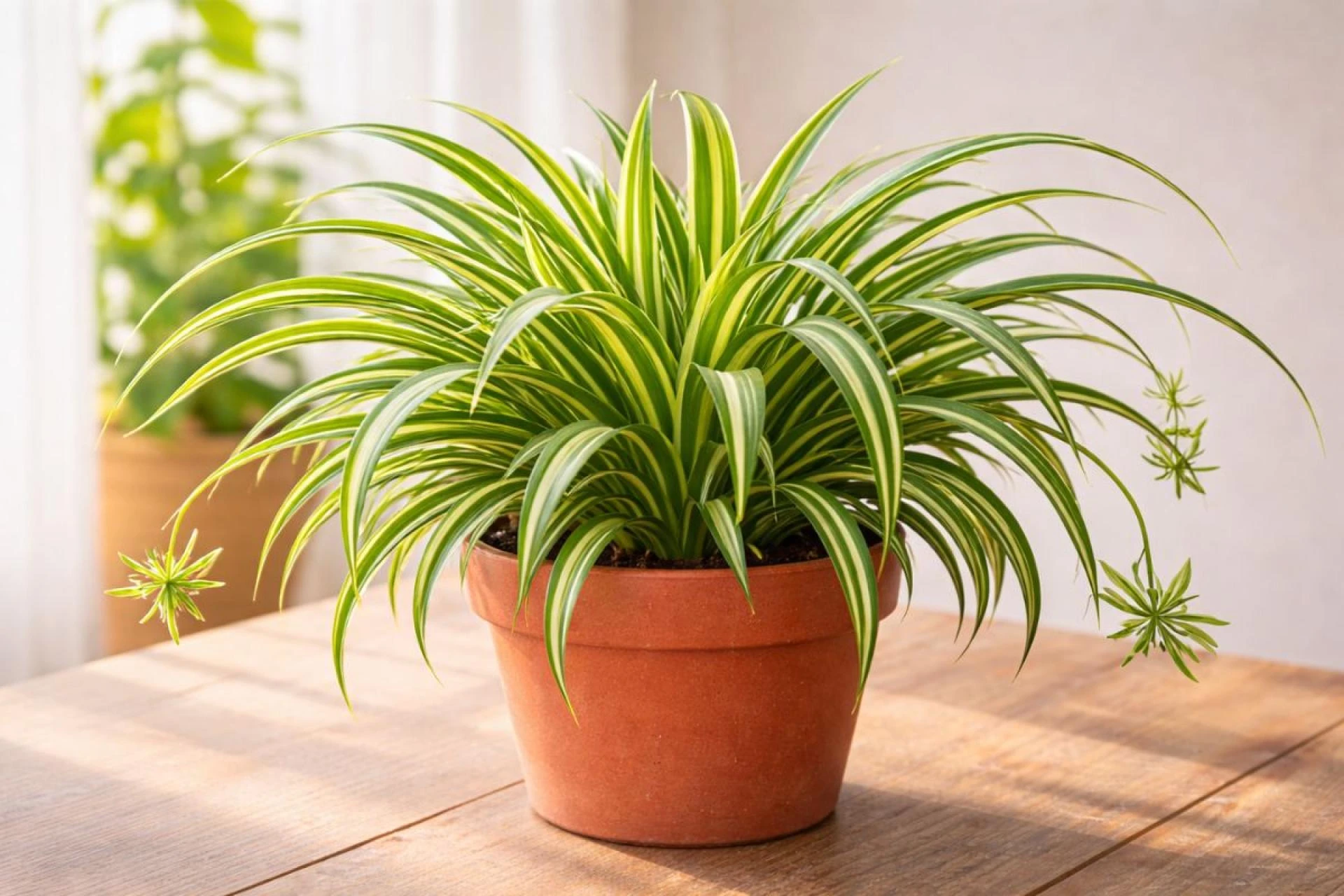
Spider plants are adaptable and forgiving. They tolerate inconsistent watering and a wide range of light conditions.
Care profile:
- Light: Indirect light
- Water: Weekly or when dry
- Key advantage: Easy propagation and resilience
6. Peace Lily
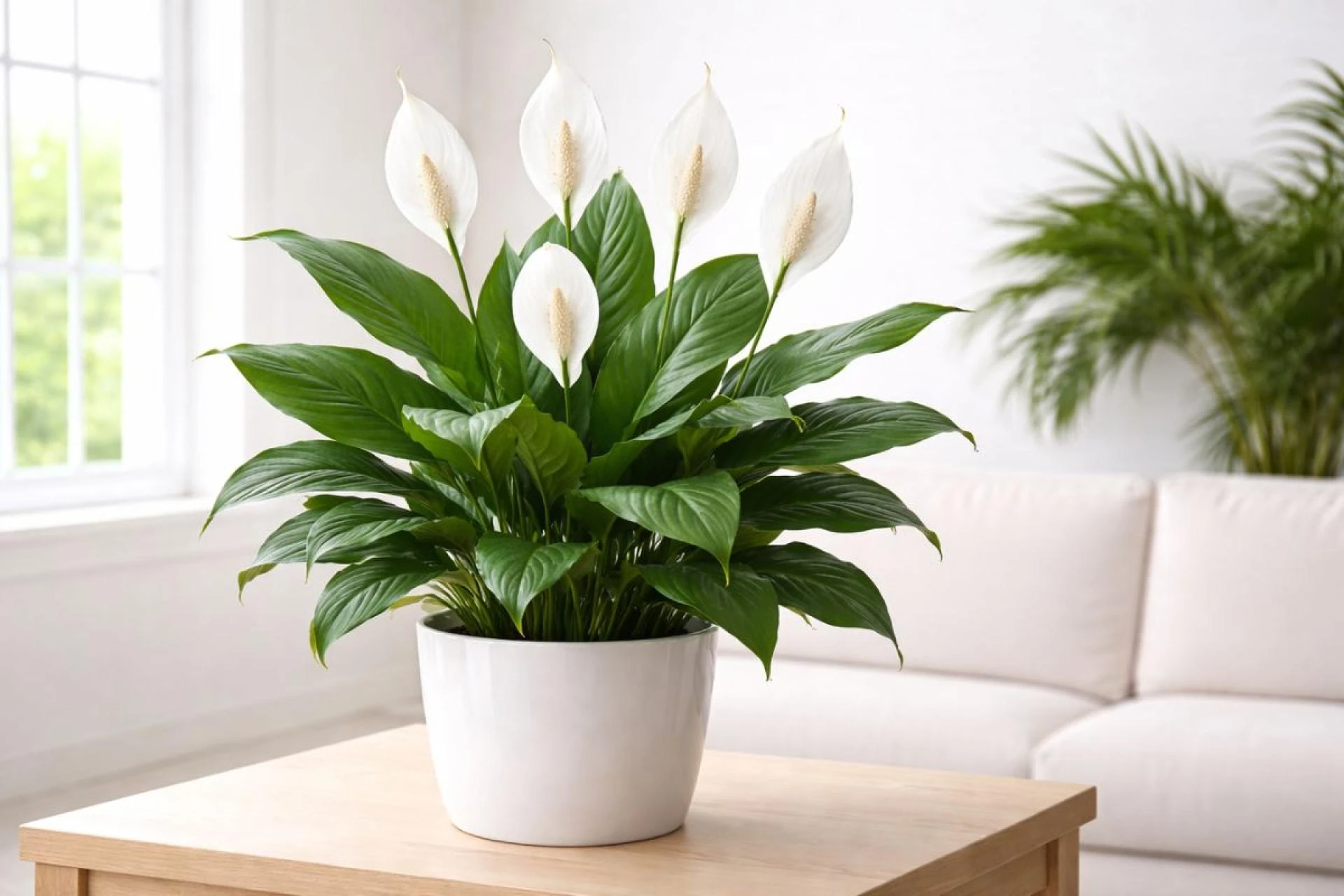
Peace lilies are hardy and communicative—leaves droop when they need water, making care intuitive. They can survive in low light and bounce back quickly.
Care profile:
- Light: Low to medium
- Water: When leaves droop
- Key advantage: Clear visual watering signal
Read more: Cost-Effective Commercial Landscape Maintenance Strategies for Property Managers
7. Jade Plant (Crassula ovata)
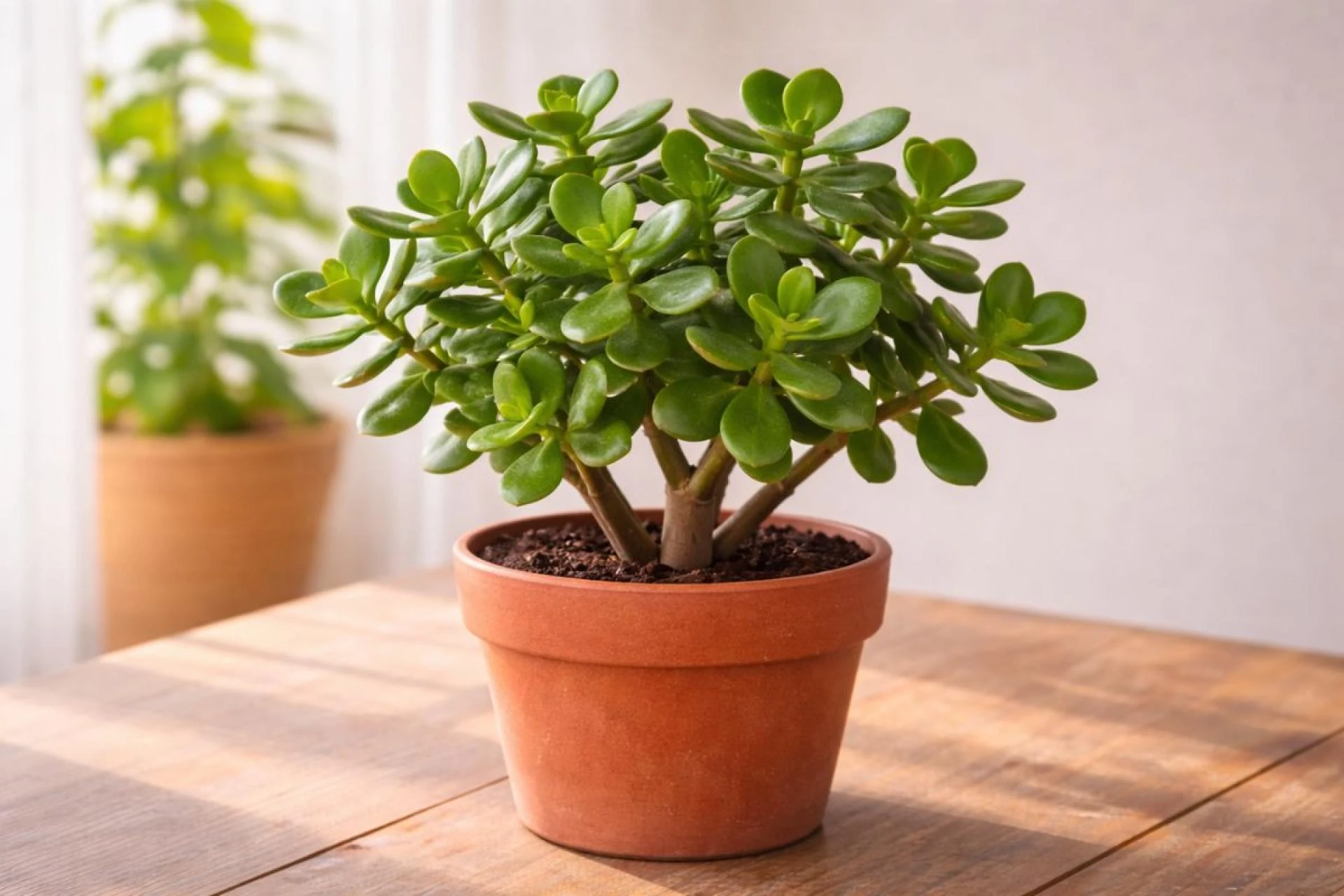
This succulent thrives on minimal watering and prefers dry soil. It grows slowly, which reduces pruning and maintenance needs.
Care profile:
- Light: Bright light
- Water: Every 2–3 weeks
- Key advantage: Long lifespan with little care
8. Rubber Plant (Ficus elastica)
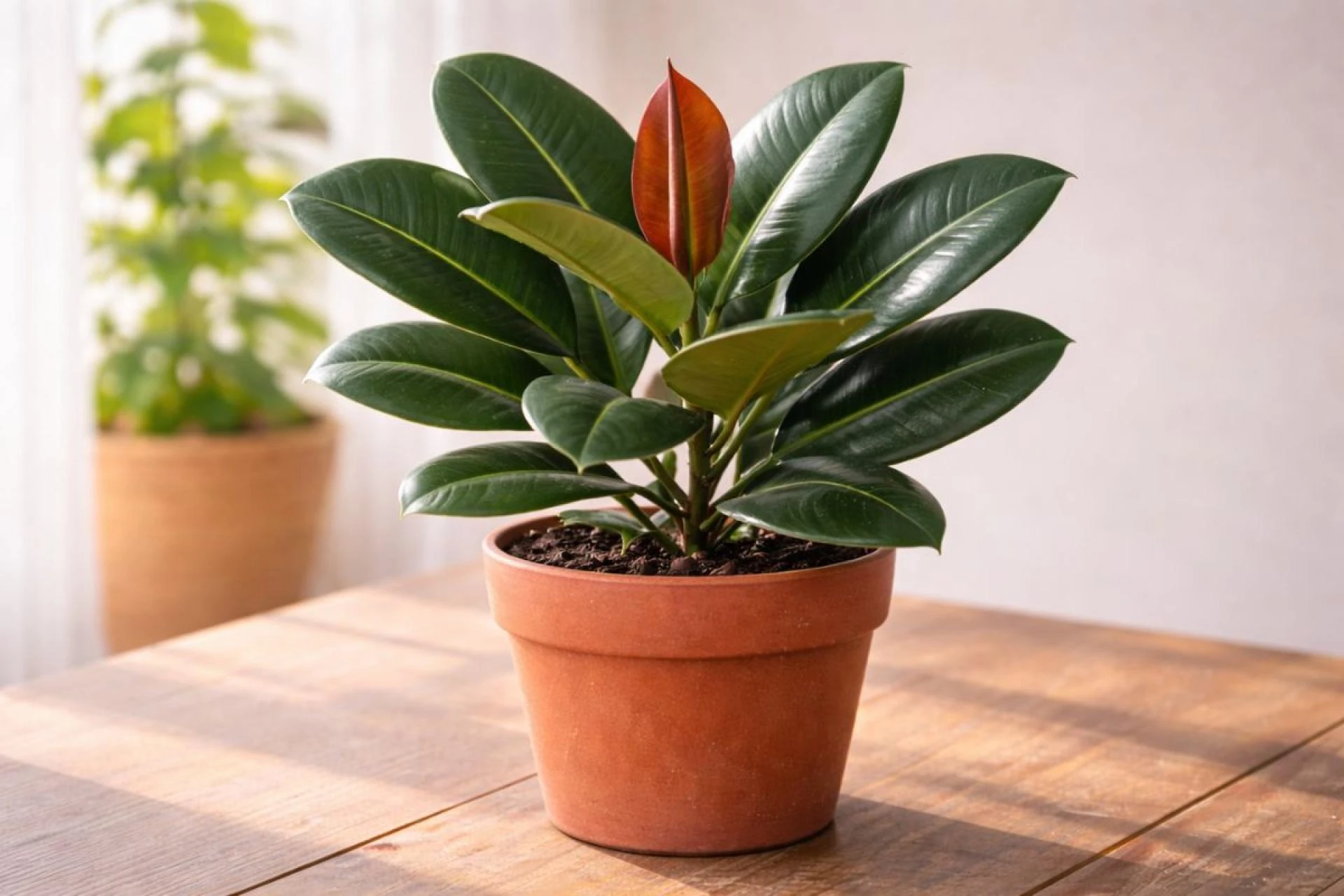
Rubber plants are durable and adaptable to indoor environments. They prefer moderate light but tolerate occasional neglect.
Care profile:
- Light: Bright indirect
- Water: Every 1–2 weeks
- Key advantage: Strong structural growth
9. Cast Iron Plant (Aspidistra elatior)
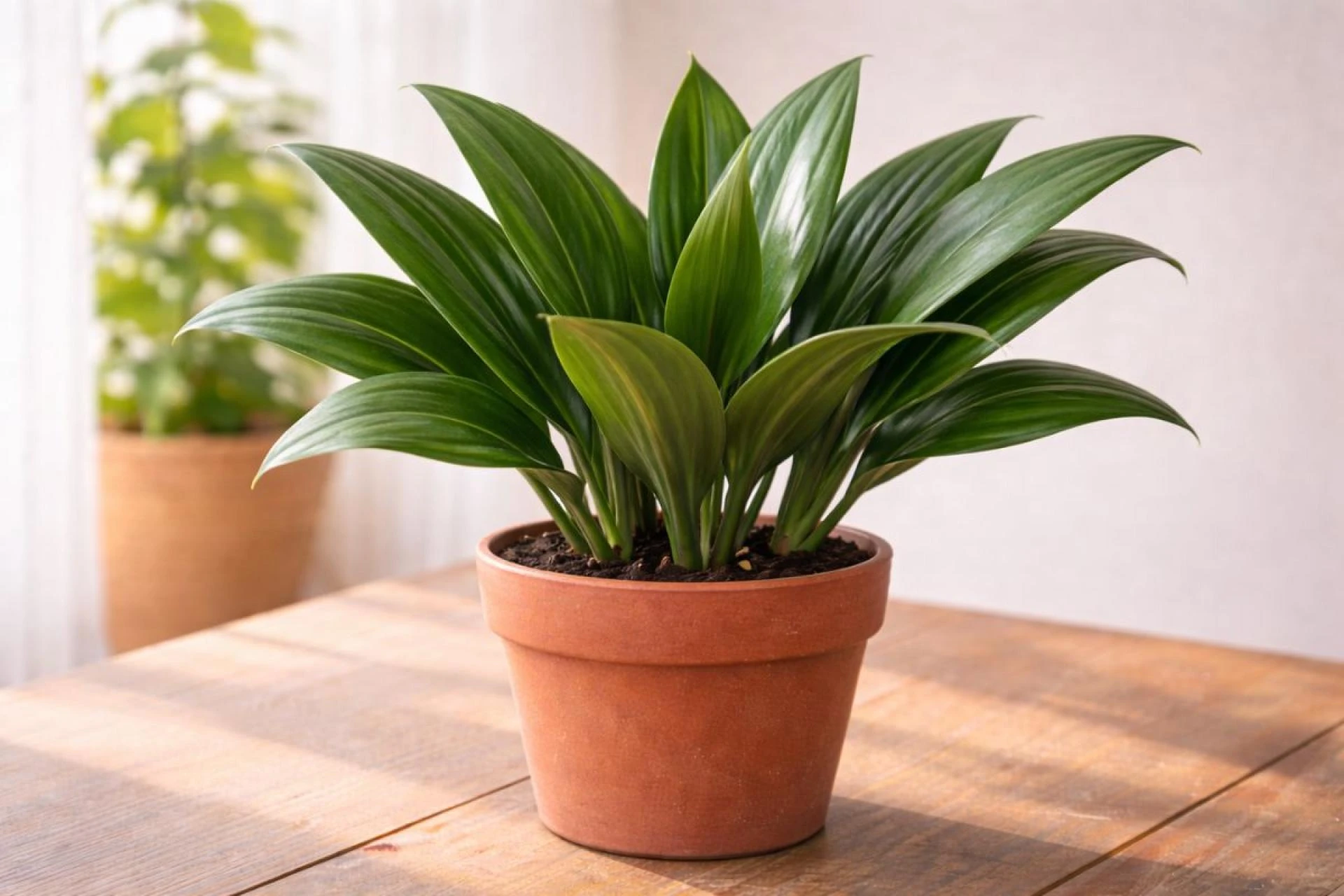
True to its name, the cast iron plant survives low light, dust, and inconsistent watering. It’s ideal for shaded interiors and minimal-effort households.
Care profile:
- Light: Low light
- Water: Infrequent
- Key advantage: Extremely hardy
10. Succulents (Echeveria, Haworthia, etc.)
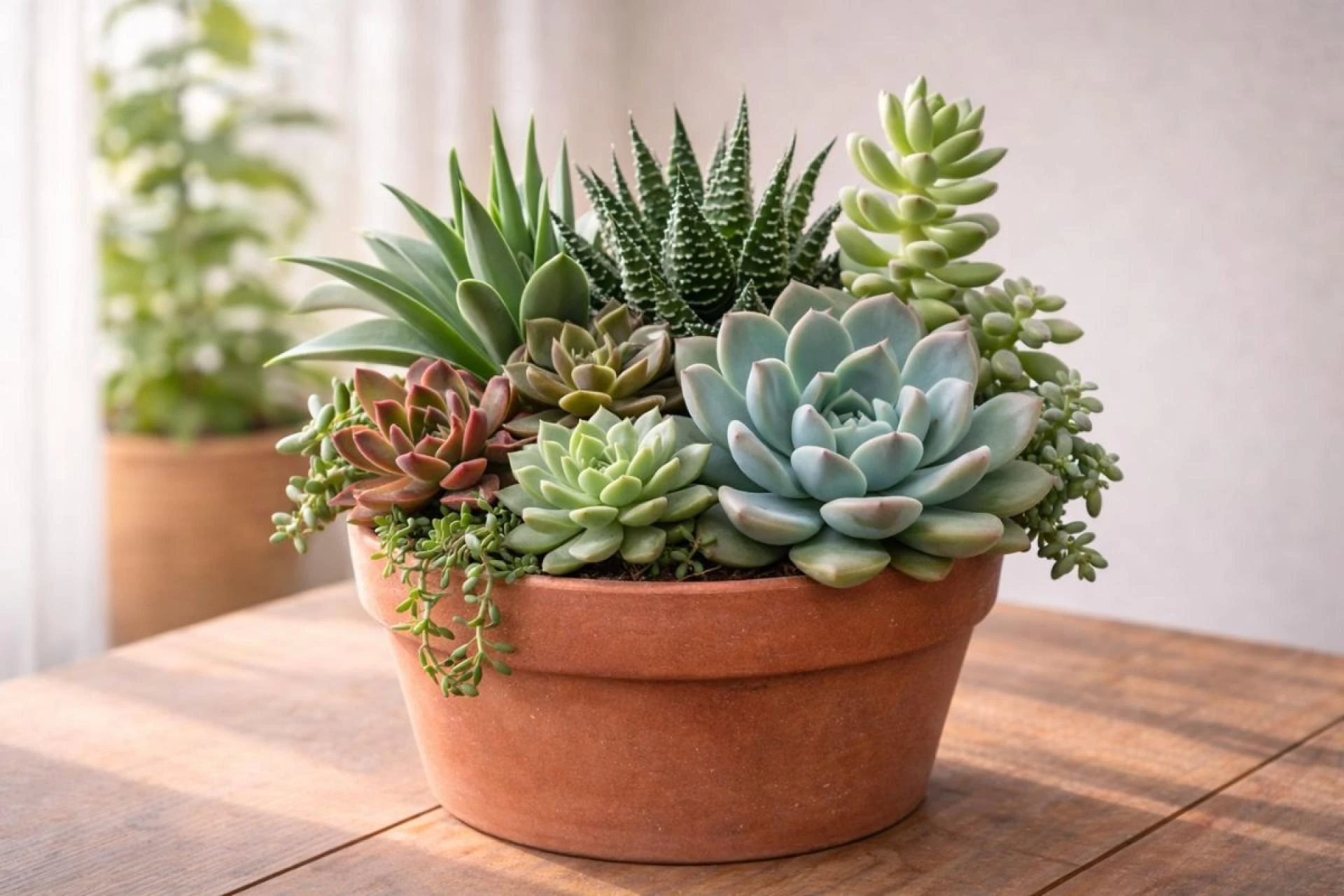
Most succulents store water in their leaves and require very little care. They thrive with bright light and minimal watering.
Care profile:
- Light: Bright light
- Water: Every 2–4 weeks
- Key advantage: Compact and drought-resistant
Why These Plants Thrive on Neglect
Low-maintenance plants share several biological traits:
- Water storage in leaves or roots
- Slow growth rates
- Tolerance for low humidity
- Adaptability to varying light conditions
These characteristics reduce dependency on frequent watering, fertilizing, or pruning.
Minimal-Effort Care Tips
Even resilient plants benefit from basic structure. Follow these guidelines:
- Use pots with drainage holes
- Avoid overwatering—most neglect-tolerant plants prefer dry soil
- Place plants in indirect light unless they are succulents
- Wipe leaves occasionally to remove dust
- Repot only when root-bound
Conclusion
Low-maintenance plants make indoor gardening accessible without demanding constant attention. Varieties such as snake plants, ZZ plants, pothos, and succulents are engineered by nature to survive tough conditions. By selecting resilient species—whether for interiors or low maintenance plants outdoor—and avoiding overwatering, you can maintain healthy greenery that thrives, even when occasionally forgotten.