
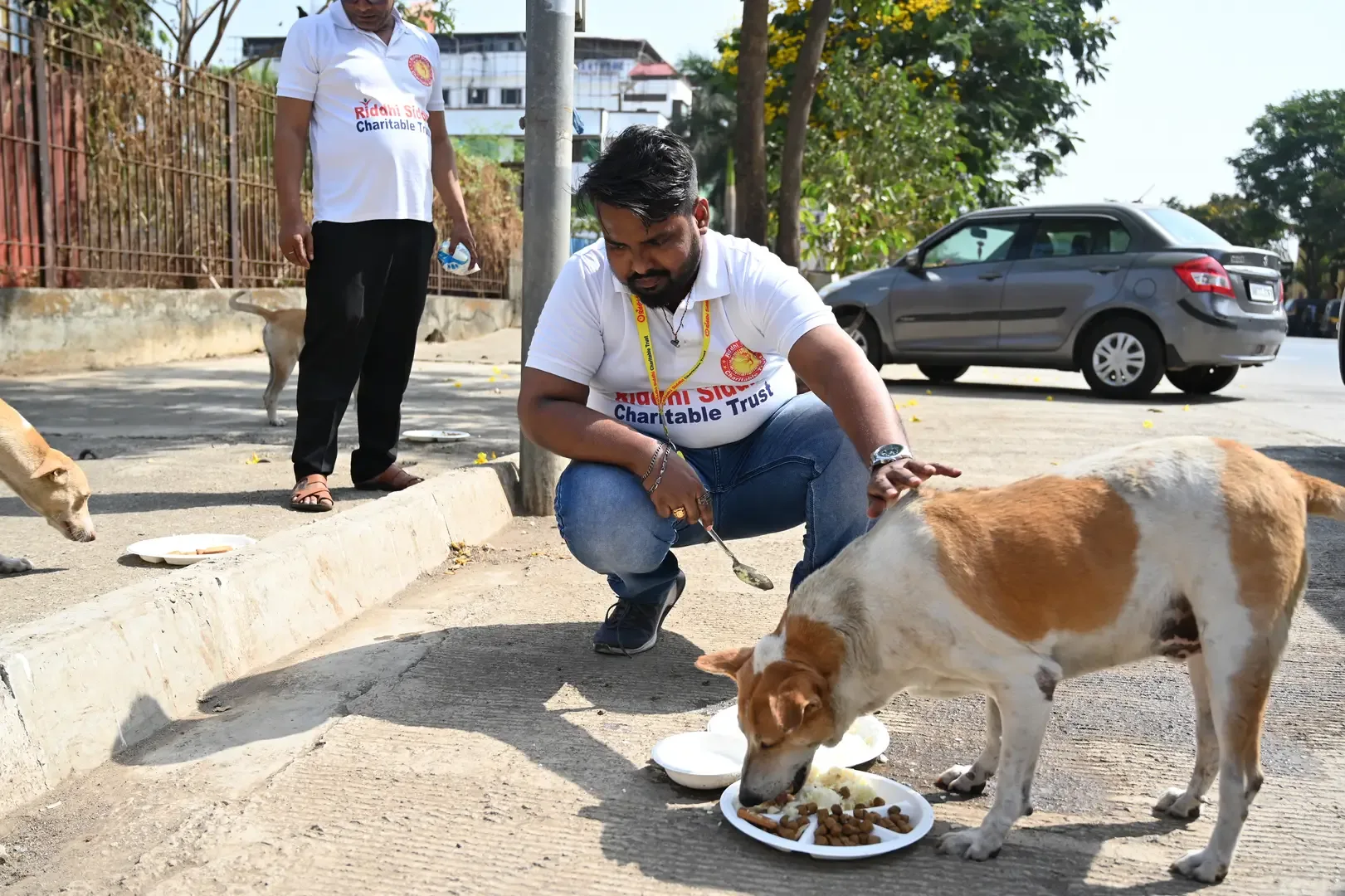
In today’s rapidly evolving social ecosystem, charitable charities, donation for needy, and animal rescue NGO Mumbai have become more than just acts of kindness—they represent a structured, impactful approach to solving deep-rooted societal and environmental challenges. From supporting underprivileged communities to rescuing vulnerable animals, philanthropy in India is transforming into a data-driven and community-led movement.
The Changing Landscape of Charitable Giving
India has witnessed a significant shift in how people perceive and participate in charitable activities. Traditional donation models are being replaced by more organized, transparent, and digitally enabled systems. Reports indicate that formal donations in India have doubled over recent years, driven by rising income levels and digital platforms that simplify giving.
Modern donors are no longer passive contributors—they seek accountability, measurable outcomes, and long-term impact. This shift has led to the growth of structured charities focusing on sectors like education, healthcare, disaster relief, and community welfare.
Moreover, philanthropic funding is expanding at scale. For instance, large grant disbursements in India now reach hundreds of crores annually, targeting systemic change rather than short-term relief.
Why Donations for the Needy Matter More Than Ever
Economic inequality remains a pressing issue in India. Millions still lack access to basic necessities such as food, healthcare, and education. Donations aimed at the needy directly bridge this gap.
Here’s how targeted donations create real impact:
- Food Security: Contributions help provide meals to underprivileged families and homeless individuals.
- Education Access: Funding enables schooling, skill development, and digital literacy programs.
- Healthcare Support: Donations cover medical treatments, preventive care, and emergency services.
What makes modern donation ecosystems effective is their focus on scalability and sustainability. Instead of one-time help, many initiatives now focus on empowering individuals to become self-reliant.
Additionally, research into donation behavior shows that individuals increasingly support multiple causes, especially during crises such as pandemics or natural disasters.
The Critical Role of Animal Rescue in India
Animal welfare is an often overlooked but crucial component of charitable work. India faces a significant challenge in this area, with an estimated 70 million street dogs and millions of other stray animals requiring care and protection.
Beyond dogs, the broader ecosystem includes nearly 80 million stray animals, highlighting the magnitude of the issue.
Animal rescue initiatives typically focus on:
- Emergency rescue and medical treatment
- Shelter and rehabilitation
- Vaccination and sterilization programs
- Public awareness and humane education
Despite the scale of the problem, animal welfare receives only about 1.5% of corporate social responsibility (CSR) funding in India, indicating a major funding gap.
This imbalance makes public donations and grassroots support even more critical.
Real-Time Challenges: A Growing Need for Action
Recent developments highlight how urgent the need for animal rescue and humanitarian support has become.

Extreme weather conditions, such as heatwaves, are increasing the number of distressed animals. Reports show a significant rise in animal rescue cases during high temperatures, with thousands of animals requiring emergency care in just a few weeks.
This trend underscores a broader issue: environmental changes are intensifying the vulnerability of both humans and animals, making charitable interventions more necessary than ever.
How to Identify Genuine Charitable Initiatives
While the growth of charitable organizations is positive, it also brings challenges. Cases of fraudulent shelters and misuse of donations have surfaced, emphasizing the importance of due diligence.
To ensure your contribution makes a real difference, consider the following:
- Transparency: Check for financial reports and impact statements
- Registration: Verify legal compliance and certifications
- Operational Clarity: Understand how funds are utilized
- Community Feedback: Look for real testimonials and ground-level evidence
Being an informed donor is essential to maintaining the integrity of the charitable ecosystem.
The Intersection of Human and Animal Welfare
An important but often ignored insight is that human welfare and animal welfare are interconnected. Communities that invest in animal care often experience improved public health, reduced disease spread, and stronger social cohesion.
For example:
- Vaccinated stray animals reduce the risk of rabies
- Rescue programs prevent environmental imbalance
- Community involvement fosters empathy and civic responsibility
This integrated approach is gaining traction among modern charitable frameworks, where solutions are designed holistically rather than in isolation.
The Future of Charitable Giving in India
Looking ahead, the future of charitable work in India will likely be shaped by:
- Technology integration: AI, blockchain, and data analytics for transparency
- Crowdfunding growth: Enabling micro-donations at scale
- Impact measurement: Real-time tracking of outcomes
- Corporate collaboration: Strategic CSR partnerships
Additionally, emerging funding models such as animal welfare funds and collaborative philanthropy networks are expected to scale high-impact initiatives across the country.
Conclusion
Charitable giving in India is no longer just about generosity—it is about strategic impact, accountability, and long-term change. Whether it is supporting underprivileged communities or contributing to animal rescue efforts, every donation plays a role in shaping a more equitable and compassionate society.
As awareness grows and systems become more structured, individuals now have the power to contribute meaningfully and responsibly. The challenge is no longer about willingness to give—but about giving wisely, consistently, and with purpose.