
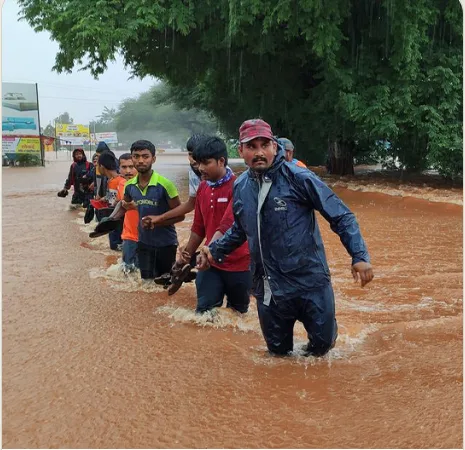
In today’s interconnected world, charitable donation websites and disaster donation initiatives have transformed how individuals and organizations contribute to urgent causes. With just a few clicks, people can now support victims of natural disasters, humanitarian crises, and social challenges from anywhere in the world. This digital shift has not only made giving more accessible but also significantly increased the speed and scale of global philanthropy.
Understanding the Evolution of Digital Giving
Charitable giving has evolved dramatically over the past decade. Traditional donation methods—such as cash, checks, or in-person fundraising—have increasingly been replaced by online platforms. This transition is driven by convenience, transparency, and the growing trust in digital payment systems.
Recent data shows that online giving continues to grow at a rapid pace. Digital fundraising increased by approximately 11% year-over-year in 2025, highlighting a clear shift toward online donation channels. Moreover, about 63% of donors now prefer to give online using credit or debit cards, reinforcing the dominance of digital platforms.
The global scale of philanthropy is equally significant. Charitable contributions reached hundreds of billions annually in developed economies alone, reflecting a strong culture of giving supported by technology.
Why Charitable Donation Websites Are Gaining Popularity
Several factors explain the rapid adoption of online donation platforms:
1. Accessibility and Convenience
Online platforms allow donors to contribute anytime and from anywhere. Whether using a smartphone or a desktop, users can complete transactions within minutes.
2. Transparency and Trust
Modern platforms often provide real-time updates, fund allocation details, and impact reports. This transparency builds donor confidence and encourages repeat contributions.
3. Global Reach
Digital platforms eliminate geographical barriers, enabling individuals to support causes across countries and continents.
4. Mobile-Driven Giving
Nearly 45% of online donations now come from mobile devices, showing how smartphones are reshaping philanthropy.
5. Recurring Donations
Monthly giving has become a key trend, accounting for a substantial portion of online revenue. Recurring donors tend to contribute significantly more over time.
The Role of Disaster Donation in Emergency Response
Disasters—whether natural or man-made—require immediate financial support. Online donation platforms play a critical role in mobilizing resources quickly during emergencies such as floods, earthquakes, or pandemics.
Speed of Response
Digital platforms enable instant fundraising campaigns, allowing aid to reach affected areas faster than traditional methods.
Global Participation
People from across the world can contribute within hours of a disaster, creating a collective response that transcends borders.
Social Media Amplification
Social platforms significantly boost disaster fundraising efforts by spreading awareness rapidly. A large percentage of donors engage with causes through social media before contributing.
Crowdfunding for Individuals
Beyond institutional campaigns, individuals affected by disasters can raise funds directly, democratizing access to financial support.
Key Trends Shaping Online Donation Platforms
1. Growth of Digital Fundraising
Online donation volumes increased by over 12% in recent years, with transaction numbers rising even faster. This indicates both increased participation and improved accessibility.
2. Rise of AI and Data Analytics
Nonprofits are increasingly using artificial intelligence to personalize donor experiences, predict giving behavior, and optimize campaigns.
3. Focus on User Experience
Donation page performance is critical. Studies show that most potential donors leave if the process is slow or complicated, emphasizing the need for seamless interfaces.
4. Seasonal Giving Peaks
A significant portion of annual donations occurs during year-end periods, particularly in November and December.
5. Shift Toward Smaller but Frequent Donations
While average donation amounts may fluctuate, the number of transactions continues to grow, reflecting broader participation.
Challenges in Digital Philanthropy
Despite its growth, online giving faces several challenges:
Donor Retention
Only a small percentage of first-time donors return to give again, making long-term engagement a major concern.
Economic Pressures
Rising living costs and economic uncertainty can reduce the number of active donors, even if overall donation amounts remain stable.
Trust Issues
Fraudulent campaigns or a lack of verification can undermine confidence in digital platforms.
Inequality in Fundraising
Some campaigns receive more attention due to social influence or visibility, creating disparities in fund distribution.
Best Practices for Donors
To ensure your contributions make a real impact, consider the following:
- Verify authenticity: Check platform credibility and campaign details.
- Review fund allocation: Understand how your donation will be used.
- Prefer secure payment methods: Ensure encrypted transactions.
- Support recurring giving: It provides sustained support for causes.
- Stay informed: Follow updates on the impact of your donation.
The Future of Charitable Giving
The future of philanthropy is undeniably digital. With advancements in technology, online donation platforms will continue to evolve, offering more personalized, transparent, and efficient ways to give.
Emerging technologies like blockchain may further enhance transparency, while AI-driven insights will improve donor engagement. Additionally, the integration of mobile apps, social media, and digital wallets will make giving even more seamless.
Conclusion
Charitable donation websites and disaster-focused fundraising have revolutionized the way people contribute to society. By making giving faster, more transparent, and globally accessible, digital platforms are playing a crucial role in addressing urgent humanitarian needs.
As technology continues to advance, the impact of online donations will only grow stronger—empowering individuals worldwide to support meaningful causes and respond effectively to crises when it matters most.