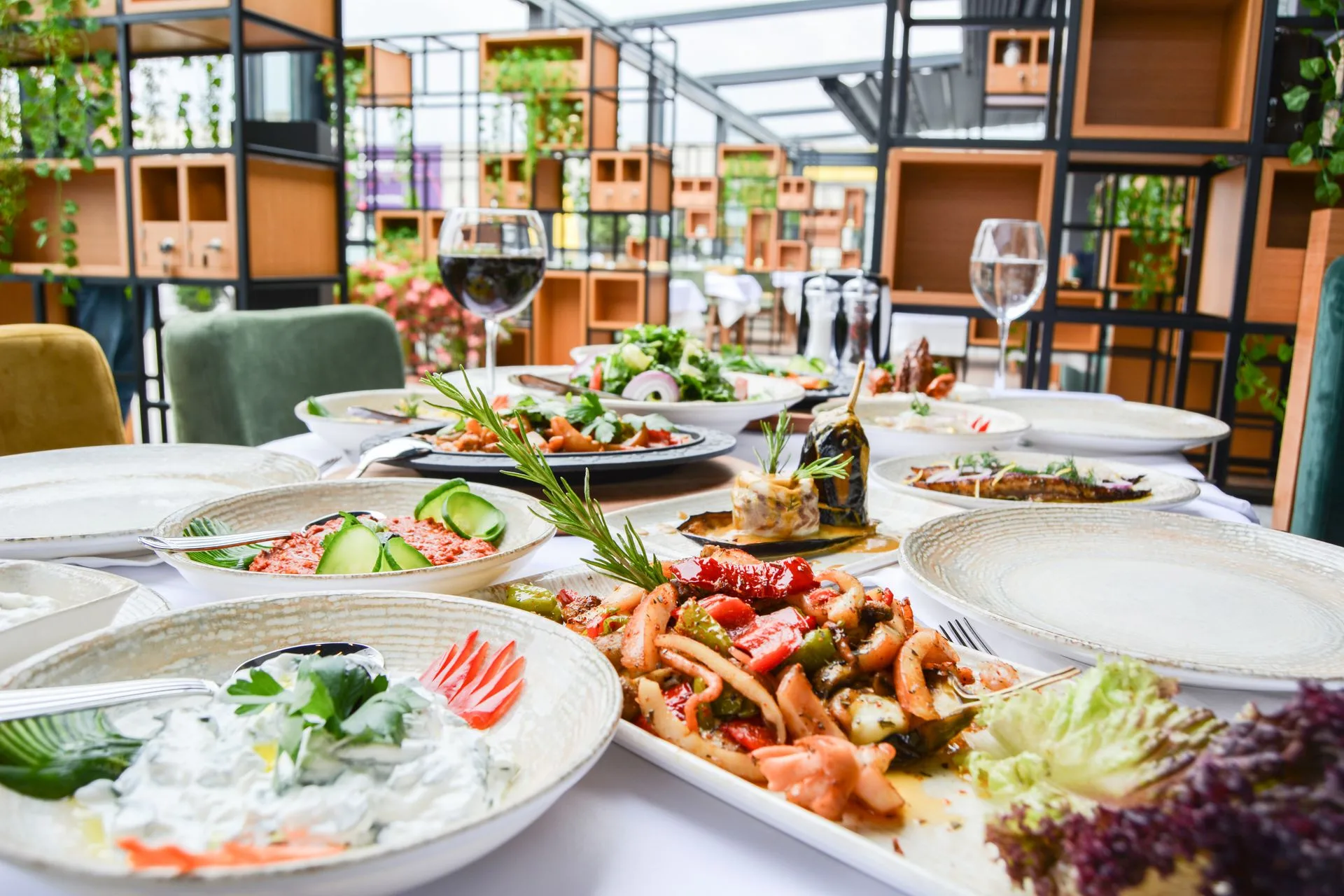
Some dinners vanish the moment you sign the check. Others linger for years — uninvited, vivid, oddly welcome. So what actually creates that divide? Not price. Not some Michelin pedigree. A decent meal fills you up. Tastes fine. But then there are meals that grab you somewhere you can't quite name — pull at your senses, carry a story, leave a mark long after the chair scrapes back. Doesn't matter whether you're in a white-tablecloth room or hunched over a pot on a Tuesday nobody will remember.
The Foundation: Quality Ingredients and Technique
Skip the fundamentals and nothing else matters. A ripe tomato destroys a watery one — no contest, no nuance. Properly sourced seafood lives in a completely different universe from whatever crawled out of a freezer bag. You taste that gap immediately. A cook who genuinely understands heat and timing can take raw materials somewhere technically stunning. Here's the catch, though. Flawless execution alone won't make a meal stick. Plenty of kitchens run spotless technique. Still leave diners cold. The foundation is non-negotiable — but it's nowhere near enough on its own.
Atmosphere and Ambiance Shape the Experience
Setting rewires perception. Sounds strange, but the research backs it up. Your brain doesn't process food in isolation — it absorbs everything surrounding the plate at once. Soft lighting. Music that doesn't bulldoze conversation. Seats worth lingering in. All of it bleeds into how the meal actually registers. The same dish lands somewhere completely different when served in a cramped, loud room versus a calm, well-considered space. Restaurants like Fog Harbor grasp this almost instinctively; the experience kicks in at the door, not when the first course arrives. Natural light, warm wood, an elegant table setting — those cues shift your psychological state before a single bite crosses your lips. And the reverse holds just as firmly. A rushed, chaotic atmosphere can gut even exceptional cuisine. People don't just eat food. They absorb the entire environment wrapped around it.
Personal Connection and Storytelling
The most memorable meals carry weight that has nothing to do with what's actually on the plate. A dish built from a recipe handed down through generations. A meal marking something that genuinely mattered. Food made by someone who clearly gives a damn. That emotional freight changes everything — ordinary cooking can't replicate it. Restaurants that share the origins of their dishes, that name the local farmers or trace the cultural history behind a recipe, build something real with their guests. It becomes a conversation, not just sustenance. Diners chasing that kind of storytelling alongside exceptional ocean-fresh cooking often seek out a seafood restaurant in San Francisco that weaves local sourcing together with the city's maritime identity. That narrative layer is precisely what turns a meal into something worth remembering.
The Role of Surprise and Unexpected Delight
Good meals deliver what you ordered. Memorable ones hand you something you never saw coming. A flavor pairing that shouldn't work — but absolutely does. A presentation that stops you mid-sentence. A complimentary bite that signals the kitchen is paying attention to you specifically, not just cycling plates efficiently. Small gestures punch above their weight. Homemade bread alongside dinner. A palate cleanser slipped between courses. A dessert personalized for one guest at the table. These touches signal genuine investment. And neurologically, surprise operates differently than expected satisfaction — when something beats your anticipation, the memory sharpens fast. You tell people. You go back.
The Timing and Pace of Service
Rhythm matters more than most diners ever consciously register. A good meal might arrive quickly, competently. A memorable one unfolds — at a pace that lets conversation breathe, lets anticipation build, lets flavors settle before the next thing shows up. Rush it and stress seeps in even when the food is exceptional. Let it drag into neglect and diners check out entirely. The best experiences thread a narrow balance: attentive without hovering, managed without making guests feel hurried or forgotten. When timing flows invisibly, you stop thinking about service altogether. You focus on the food, the people across from you, the actual moment. That's when memorability becomes possible.
Conclusion
The divide between a good meal and one you never forget runs far deeper than the plate itself. Quality ingredients and solid technique are the floor — necessary, absolutely, but nowhere near sufficient on their own. What creates a lasting impression is layering. Atmosphere that puts you at ease. An emotional or narrative thread worth following. Moments of genuine surprise. Pacing that treats dinner as an experience rather than a transaction. People aren't hunting for calories — they want connection, joy, something worth bringing up months later. Understand what drives that, and you'll start to see, and create, meals that actually stay with you.