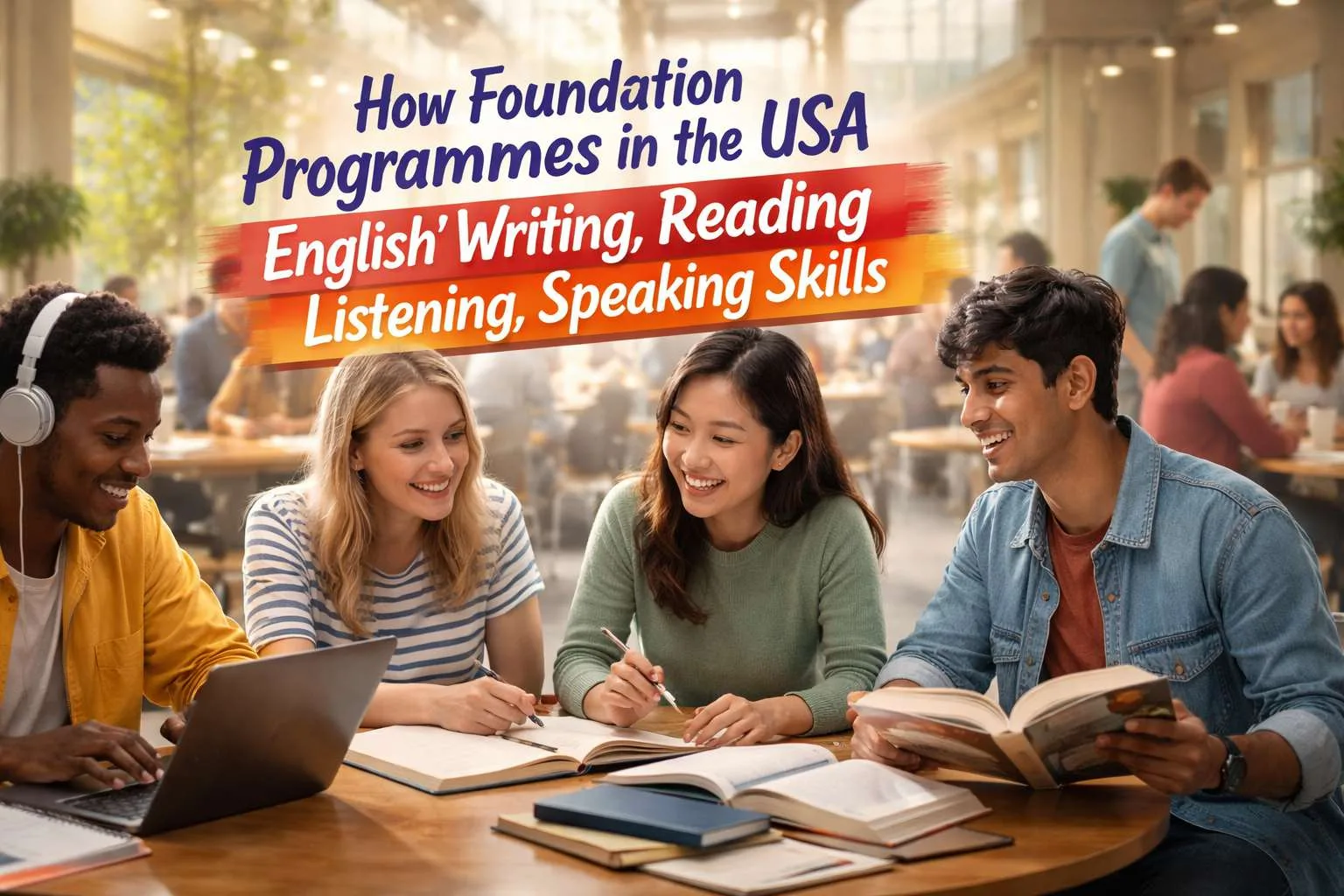
Foundation programs in the USA offer international students a valuable opportunity to strengthen their academic and English language skills before starting their degree courses. These programs are designed to bridge the gap between high school education and university-level learning, particularly for students whose primary language is not English. By focusing on essential skills like writing, reading, listening, and speaking, foundation programs help international students become confident and effective learners in a U.S. academic environment.
What Are Foundation Courses in the USA?
Foundation courses, also known as pathway programs, are designed to provide international students with the skills they need to succeed in a U.S. university. These programs typically last one year, though there are options for shorter or longer durations. Students are taught a mix of academic content and English language proficiency skills. Foundation programs are an essential step for students who need to improve their language skills and familiarize themselves with the U.S. education system. These courses focus on subjects like English language, mathematics, and the social sciences. They also offer students an introduction to the academic environment they will encounter in their future studies.
Why English Language Skills Matter for International Students
For international students, English proficiency is crucial for success in higher education. The language of instruction in most U.S. universities is English, making it essential for students to understand lectures, read academic texts, and communicate effectively with peers and professors. Moreover, good language skills contribute to overall academic performance and student satisfaction. A solid foundation in English will help students:
- Participate in classroom discussions
- Complete assignments and exams effectively
- Build relationships with professors and classmates
- Feel confident and comfortable on campus
Without strong English skills, international students might struggle to engage in these essential academic and social activities. Foundation programs specifically address these concerns by providing targeted language instruction that builds essential skills for university-level study.
The Four Skill Pillars in Foundation Courses
Foundation programs in the USA focus on developing the four key language skills necessary for academic success: writing, reading, listening, and speaking. Here’s how each skill is addressed:
Academic Writing
In foundation programs, writing is a major focus. Writing skills are essential for academic success in the U.S., where students are required to write essays, research papers, and reports regularly. Foundation courses teach students how to:
- Structure academic essays effectively, including crafting strong thesis statements, paragraphs, and conclusions
- Use proper citation formats (like MLA or APA)
- Develop academic vocabulary
- Write clearly and coherently
- Avoid plagiarism by understanding academic integrity
Writing assignments are often followed by feedback and revision, allowing students to improve their skills over time.
Academic Reading
Reading comprehension is another cornerstone of foundation programs. In these courses, students learn strategies to tackle academic texts, such as textbooks, research articles, and essays. Foundation programs typically emphasize:
- Skimming and scanning techniques to quickly identify important information
- Understanding and interpreting academic vocabulary
- Extracting key points and summarizing information
- Critically analyzing texts to engage in higher-level discussions
Reading materials are often drawn from actual university-level sources, which help students become familiar with the types of content they will encounter in their degree programs.
Listening Skills
Listening skills are essential for understanding lectures, participating in discussions, and taking notes during class. Foundation programs provide opportunities for students to improve their listening skills by:
- Listening to recorded lectures, podcasts, and audio materials
- Practicing note-taking techniques to capture key information during lectures
- Engaging in listening exercises to improve comprehension
- Learning how to follow discussions in both academic and social contexts
This prepares students to understand spoken English, which is often different from written English due to its pace and accents.
Speaking Skills
Speaking is a key component of academic success in the U.S., where students are frequently expected to participate in class discussions, give presentations, and interact with peers and professors. Foundation courses help students develop their speaking skills by:
- Practicing conversational English in a variety of academic settings
- Giving individual and group presentations
- Engaging in debates and discussions to develop fluency and confidence
- Improving pronunciation and intonation
Foundation programs often use small-group activities, which provide students with a comfortable environment to practice speaking and gain feedback from instructors.
Teaching Methodologies Behind English Training
In foundation programs, various teaching methodologies are employed to ensure that students build their English skills effectively. These include:
- Blended Learning: A mix of in-class learning and online resources helps students practice English outside of the classroom. This ensures continuous learning and engagement.
- Immersive Learning: Students are exposed to English in both academic and real-life contexts, which enhances their language acquisition.
- Interactive Activities: Role-playing, peer learning, and collaborative projects allow students to practice English in practical settings.
- Cultural Integration: Many foundation programs incorporate elements of U.S. culture, which helps students adjust both socially and academically.
These diverse teaching methods cater to various learning styles and provide students with the support they need to develop their English proficiency.
Support Structures That Boost Language Acquisition
Successful foundation programs in the USA offer a range of support services to help students build their English skills. Some of the key support structures include:
- Writing and Language Labs: Dedicated spaces where students can work on improving their writing and language skills with the help of tutors.
- Language Exchange Programs: Opportunities for students to practice English with native speakers, both inside and outside the classroom.
- Academic Advising: Support from academic advisors to help students set goals, track their progress, and address any language challenges they encounter.
- Counseling Services: Many institutions offer counseling to help students deal with stress, homesickness, and language anxiety, which can impact their academic performance.
These services ensure that students are not only developing their academic language skills but also receiving the support they need to succeed in a new cultural and academic environment.
Evaluation and Progress Assessment
Foundation programs in the USA use various methods to evaluate students' progress in English language acquisition. These assessments include:
- Regular Quizzes and Tests: To evaluate reading, writing, listening, and speaking skills.
- Assignments and Projects: To assess students’ ability to apply their English language skills in practical settings.
- Peer Reviews: Some foundation courses incorporate peer review systems, allowing students to evaluate each other’s writing and speaking skills.
- Oral Exams and Presentations: These tests allow students to demonstrate their speaking and listening abilities.
Each assessment helps identify areas of strength and areas that require improvement, providing students with the opportunity to refine their skills before moving on to their degree programs.
Outcomes: How Foundation Courses Translate to University Success
Foundation programs provide international students with the skills they need to excel at university. By improving their English proficiency, students are better prepared to:
- Succeed in academic coursework
- Participate in discussions and group projects
- Communicate effectively with professors and peers
- Adjust to the U.S. educational system with ease
These programs help students feel confident and ready to take on the challenges of university life, ensuring a smoother transition to degree-level studies.
Comparative Edge: USA Foundation Courses vs. Other Countries
While foundation courses are offered in many countries, U.S. programs provide unique advantages:
- Academic Rigor: U.S. foundation programs are known for their strong academic focus and integration with university-level courses.
- Cultural Integration: Students are immersed in American culture, which aids in both language acquisition and social adjustment.
- Pathway to Prestigious Universities: Many foundation programs offer guaranteed entry into top U.S. universities, making them an attractive option for international students.
Real Student Journeys & Testimonials
Real-life stories from students who have completed foundation programs in the USA highlight the positive impact these courses have on language skills and academic success. Testimonials often emphasize:
- The improvement in their writing and speaking abilities.
- The confidence they gained in participating in class discussions and group projects.
- How they felt prepared for university-level coursework after completing the program.
How to Choose the Right Foundation Program
When choosing a foundation program, students should consider the following factors:
- Accreditation: Ensure the program is recognized by reputable U.S. institutions.
- Curriculum Focus: Check if the program emphasizes English language development alongside academic content.
- Support Services: Look for programs with strong language support services, such as writing labs and language exchange programs.
- University Ties: Some programs guarantee progression into top universities upon completion, which is a major consideration for many students.
Frequently Asked Questions
What is the duration of a foundation program in the USA?
A foundation program in the USA usually lasts 1 year (sometimes 9–12 months).
Do I need to meet specific English language requirements to join a foundation program?
Yes, you need basic English skills, often shown by tests like IELTS or TOEFL.
Can my foundation courses count toward my degree program credits?
Sometimes yes, but it depends on the university and program.
Conclusion
Foundation courses in the USA are an excellent way for international students to strengthen their English skills before starting their degree programs. These courses help students improve their writing, reading, listening, and speaking abilities, providing the support needed to succeed in the U.S. academic environment. With the right foundation program, students can confidently transition to university life and achieve their academic goals.