Reimagining Study: A Morning in the Life of a 2026 Student
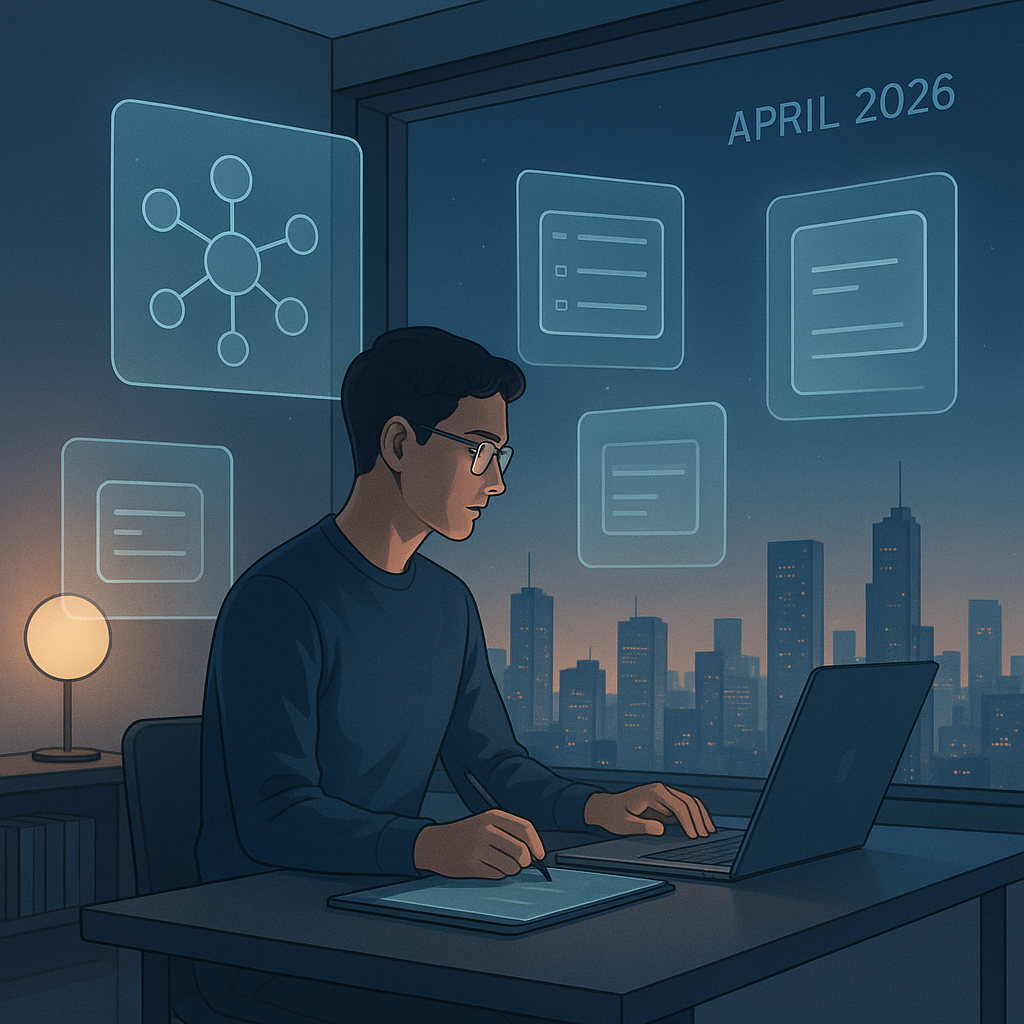
Imagine a university campus in April 2026. A student, Maya, settles into a sunlit corner of the library, her tablet glowing softly as she prepares for her upcoming exams. Unlike the paper notebooks of a decade ago, her workspace is a digital hub integrating adaptive learning software, AI-driven flashcards, and real-time analytics about her retention and focus levels. Around her, fellow learners collaborate in virtual reality pods, engaging in immersive simulations that replace traditional rote memorization. This snapshot encapsulates a profound shift in study habits and educational technologies that have redefined how students prepare for success in 2026.
Recent surveys indicate that over 70% of tertiary students now rely on AI-enhanced platforms to optimize their study time, while 55% integrate mindfulness and cognitive-behavioral techniques to manage exam anxiety, according to the 2026 National Education Survey. This evolution is not merely technological but deeply cognitive, blending neuroscience insights and digital innovation to elevate learning outcomes.
“The synergy between adaptive technology and cognitive science is enabling students to learn smarter, not just harder,” says Dr. Lena Forsyth, cognitive psychologist at the Institute for Education Advancement.
From Chalkboards to AI Tutors: The Evolution of Study Techniques
The journey to April 2026’s study landscape is a product of decades-long transformation. In the early 21st century, study methods largely revolved around linear note-taking, passive rereading, and isolated memorization. However, research from the mid-2010s began emphasizing active recall, spaced repetition, and metacognition as superior techniques. By 2020, digital flashcards and video tutorials were mainstream, but often lacked personalization.
Transitioning into the 2020s, breakthroughs in machine learning and cognitive neuroscience converged, fueling a new wave of educational tools. Platforms started integrating real-time feedback loops, adjusting difficulty based on learner responses. The pandemic accelerated the adoption of remote learning technologies, spotlighting the need for efficient, personalized study strategies.
Today, April 2026’s study tips emerge from this rich backdrop, combining evidence-based practices with cutting-edge digital aid. This progression aligns closely with findings detailed in Unlocking Learning: Emerging Study Habits Shaping 2026 Success, which documents the shift from passive to active and tech-integrated learning.
Data-Driven Study Strategies: What Works Best in 2026?
Analysis of educational performance data from over 100,000 students across multiple countries reveals key trends in effective study habits this April. The top-performing students consistently apply:
- Spaced Repetition: Revisiting material at optimized intervals to strengthen long-term memory retention. AI algorithms now tailor these intervals dynamically based on performance.
- Interleaving: Mixing related but distinct topics within a single study session to enhance problem-solving skills and transfer knowledge.
- Active Recall: Engaging in self-testing rather than passive re-reading, proven to significantly boost retention.
- Mindfulness and Stress Management: Incorporating short mindfulness exercises to improve focus and reduce cognitive fatigue, supported by wearable biofeedback devices.
- Multimodal Learning: Combining visual, auditory, and kinesthetic inputs through VR simulations, interactive quizzes, and group discussions.
These strategies are supported by quantitative evidence:
- Students using AI-powered spaced repetition systems improved exam scores by an average of 18%, according to the International Journal of Educational Technology, 2026.
- Mindfulness-integrated study sessions reduced test anxiety by 25%, as measured in a recent meta-analysis published in the Journal of Educational Psychology.
- Multimodal approaches increased concept retention by 30% compared to traditional textbook study, reported in the 2026 Learning Innovation Report.
Furthermore, the integration of biometric data — such as heart rate variability and eye tracking — helps students identify peak focus windows and tailor study sessions accordingly, a method gaining traction particularly in medical and engineering education.
“Understanding when and how the brain is most receptive is the frontier of personalized education,” notes Dr. Sameer Patel, lead researcher at the Cognitive Learning Lab.
April 2026 Breakthroughs: Technology Meets Cognitive Science
This year has seen pivotal advancements accelerating the efficacy of study methods. Among them, AI tutors capable of natural language understanding now provide contextual explanations and adapt teaching styles to individual learners’ preferences and knowledge gaps. These systems employ deep learning to analyze student responses, predict misconceptions, and scaffold complex concepts.
Additionally, virtual and augmented reality technologies have grown more accessible and immersive. For example, medical students can now perform virtual surgeries with haptic feedback, enabling kinesthetic learning that bridges theory and practice. Language learners immerse themselves in AI-generated cultural environments, enhancing vocabulary and conversational fluency.
Wearable neurofeedback devices have become mainstream tools, allowing learners to monitor attention levels and stress markers in real-time. These devices, often paired with AI coaching apps, suggest micro-breaks or cognitive exercises, optimizing study efficiency.
Educational institutions are increasingly adopting these technologies. The 2026 Global Education Index reports that 68% of universities worldwide have integrated AI and VR into their curricula, up from 42% in 2023.
Moreover, the ethical deployment of AI in education has become a focus. Transparent algorithms and data privacy safeguards are now standard practices, influenced by lessons from privacy debates extensively covered in April 2026: Navigating the Evolving Landscape of Privacy in a Hyperconnected World.
Voices from the Field: Experts Weigh In on Modern Study Techniques
Leading educators and cognitive scientists emphasize that while technology is transformative, foundational study principles remain critical. Dr. Helena Costa, educational psychologist at the University of Lisbon, explains, “Technology amplifies learning but does not replace the need for deliberate practice and reflective thinking.”
Meanwhile, professors report that students who blend traditional methods such as summarization with AI tools perform best. Dr. Ahmed Al-Mansour, a professor of engineering pedagogy, shares, “Our students who actively engage with AI tutors and also teach peers show a 22% higher retention rate.”
Psychologist Dr. Mei Lin underscores the importance of mental health integration in study routines. “Cognitive performance is deeply linked to emotional wellbeing. Our research shows embedding mindfulness and breaks into study plans improves outcomes and reduces burnout.”
Educational startups are responding with platforms that combine adaptive learning with wellness tracking, reflecting this holistic approach. The convergence of expertise across disciplines is shaping a more effective, student-centered study ecosystem.
Looking Ahead: What Will Study Habits in 2030 and Beyond Look Like?
The trajectory of study techniques points to even more personalized, immersive, and data-informed learning experiences. Emerging technologies such as brain-computer interfaces (BCIs) are under research for potential applications in enhancing concentration and memory encoding.
Anticipated developments include:
- Fully integrated AI mentors providing 24/7 personalized guidance, blending emotional intelligence with instructional support.
- Greater use of gamification and social learning networks to sustain motivation and collaborative problem-solving.
- Expanded neurofeedback applications enabling real-time adjustment of study environments to optimize cognitive states.
- Ethical frameworks and privacy protections evolving alongside technology to safeguard learner autonomy and data security.
Students and educators alike will need to adapt to these changes, emphasizing lifelong learning agility. The lessons from 2026 highlight that effective study is not just about tools but about cultivating self-awareness, resilience, and strategic thinking.
For those looking to deepen their mastery of study strategies, TheOmniBuzz’s Mastering Study Strategies: Proven Techniques Backed by Science and Technology offers comprehensive insights, while Unlocking Learning: Emerging Study Habits Shaping 2026 Success presents the latest trends and case studies.
“The future of education is not about technology replacing teachers but empowering learners to understand themselves and their brains better than ever before.” — Dr. Forsyth