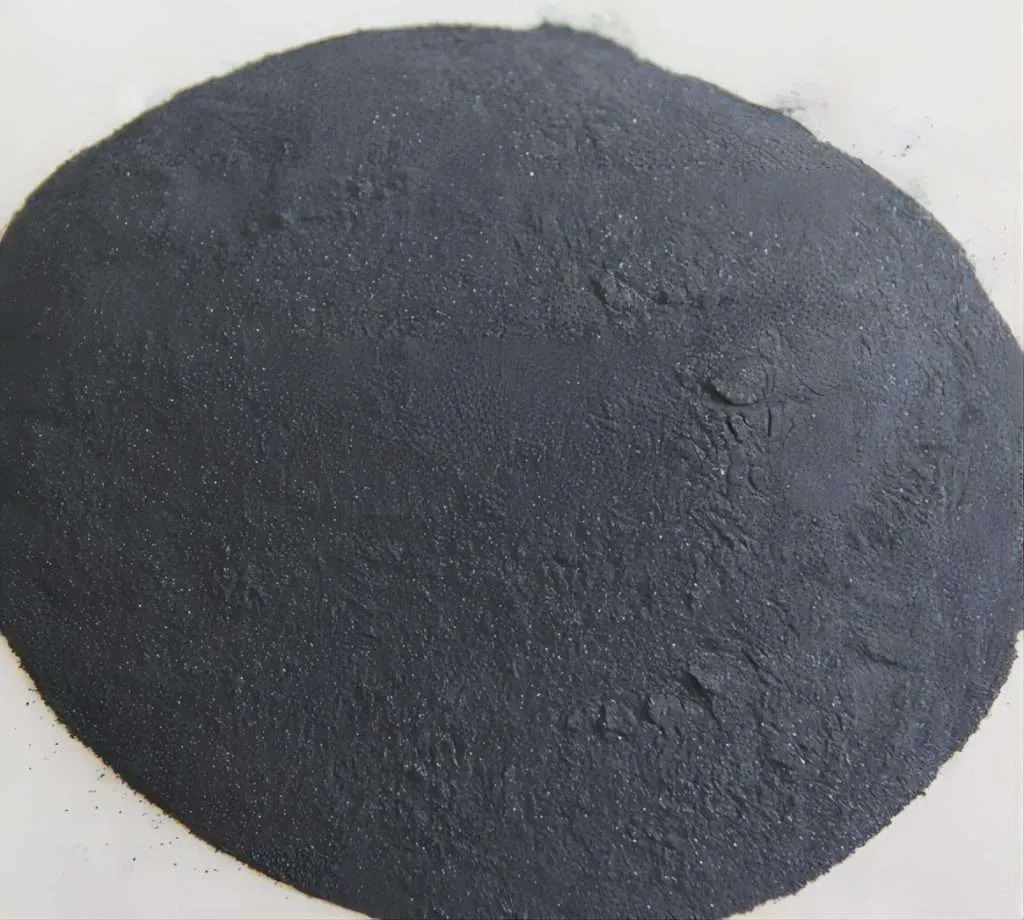
Specialty silica plays an important role in several industrial applications because of its distinctive physical and chemical properties. Its ability to improve product strength, durability, absorption, surface quality, and processing performance makes it valuable across industries such as automotive, construction, food processing, pharmaceuticals, personal care, electronics, and rubber manufacturing. As manufacturers increasingly focus on product quality and operational efficiency, the demand for specialized silica solutions continues to attract attention. However, several inhibitors are creating challenges for industry participants and influencing the pace of development.
The specialty silica market faces obstacles associated with production expenses, energy consumption, raw material availability, environmental compliance, and changing customer requirements. These factors can affect manufacturing capabilities, pricing strategies, and investment decisions. Understanding these limitations is essential for businesses seeking to strengthen their operations and maintain competitiveness in an evolving industrial environment.
High Production and Manufacturing Costs
One of the major inhibitors affecting specialty silica production is the high cost associated with manufacturing processes. Producing specialized silica grades requires controlled processing conditions, advanced equipment, and careful quality management. Manufacturers must maintain consistent particle size, surface characteristics, purity, and performance specifications to meet the requirements of different applications.
These production requirements can increase operational expenses, particularly for companies developing customized products. Investments in modern machinery, processing technologies, and quality testing systems also create financial pressure. Smaller manufacturers may find it difficult to manage these expenses while competing with established producers.
Additionally, fluctuations in electricity, fuel, labor, and maintenance costs can influence overall production economics. Companies may need to adjust selling prices to protect their margins, potentially affecting purchasing decisions among cost-sensitive customers.
Raw Material Supply and Price Fluctuations
Raw material availability represents another important challenge. Specialty silica production depends on suitable mineral resources and chemical inputs, depending on the manufacturing method and product category. Variations in the availability, quality, and pricing of these materials can disrupt production planning.
Supply chain interruptions caused by transportation difficulties, geopolitical developments, trade restrictions, or supplier limitations may create additional uncertainty. Manufacturers relying on a limited number of suppliers can face difficulties maintaining uninterrupted operations when unexpected disruptions occur.
In the specialty silica market, consistent raw material quality is particularly important because variations can affect the characteristics of finished products. Companies must therefore establish dependable sourcing arrangements and maintain suitable inventory levels. However, holding additional inventory increases storage expenses and working capital requirements.
Environmental Regulations and Compliance Requirements
Environmental regulations are becoming increasingly important for industrial manufacturers. Silica production facilities must address concerns related to emissions, wastewater management, energy consumption, and industrial waste. Meeting environmental standards often requires additional investments in pollution-control equipment, monitoring systems, and production improvements.
Occupational exposure to respirable crystalline silica is another important consideration for facilities handling silica-containing materials. Employers need appropriate workplace controls, ventilation, dust collection systems, and protective procedures to reduce employee exposure.
These requirements can increase compliance expenses, especially for smaller businesses operating with limited financial resources. Regulatory differences between countries may also complicate international expansion because manufacturers must adapt their production and distribution practices to different standards.
Although environmental improvements can support long-term operational efficiency, the initial investment required may restrict expansion plans and delay capacity development.
Energy Consumption and Operational Efficiency
Energy requirements can create significant pressure on specialty silica manufacturers. Certain production methods involve high-temperature processing, chemical reactions, drying, and other energy-intensive operations. Rising electricity and fuel prices can therefore influence manufacturing costs and profitability.
Companies operating older production facilities may experience additional difficulties because outdated equipment can consume more energy and require frequent maintenance. Replacing existing machinery with energy-efficient alternatives involves substantial capital expenditure.
Operational inefficiencies, equipment downtime, and inconsistent production schedules can further increase costs. Manufacturers must balance production capacity with energy efficiency while maintaining the quality standards expected by industrial customers.
Competition from Alternative Materials
The availability of alternative materials can also limit the adoption of specialty silica in certain applications. Depending on the intended function, manufacturers may consider other fillers, additives, absorbents, and performance-enhancing substances.
Material selection often depends on price, availability, processing compatibility, and technical performance. If an alternative provides acceptable results at a lower cost, customers may reconsider their purchasing preferences.
This creates pressure on specialty silica producers to demonstrate clear performance advantages. They must invest in product development, application testing, and technical support to maintain customer confidence. However, developing specialized formulations can require considerable time and financial resources.
Technical Limitations and Customer Requirements
Industrial customers increasingly expect materials that meet specific performance requirements. Different applications may require precise particle distribution, absorption capacity, chemical stability, reinforcement characteristics, and surface properties.
Meeting these expectations can be difficult when manufacturers lack advanced processing capabilities or sufficient research resources. Product customization may also increase production complexity and reduce manufacturing flexibility.
Furthermore, introducing a new silica formulation into an established industrial process may require extensive testing. Customers need to evaluate compatibility, performance consistency, and production efficiency before approving material changes. These lengthy qualification procedures can slow product adoption and delay commercial opportunities.
Transportation and Distribution Challenges
Logistics-related difficulties can influence the availability and cost of specialty silica products. Transportation expenses, packaging requirements, storage conditions, and regional distribution limitations can affect the efficiency of supply networks.
International suppliers may face additional challenges involving customs procedures, shipping delays, trade policies, and freight price fluctuations. These issues can make delivery schedules less predictable and increase the overall cost of serving distant customers.
Since many industrial buyers depend on consistent material availability, unreliable distribution can negatively affect supplier relationships. Manufacturers need efficient logistics arrangements and regional distribution networks to minimize these risks.
Strategies to Address Market Inhibitors
Despite these challenges, companies can adopt several approaches to improve their operational position. Investing in energy-efficient machinery, automated production systems, and advanced quality-control technologies can help reduce manufacturing inefficiencies.
Diversifying raw material suppliers and strengthening inventory management can improve supply chain resilience. Businesses can also explore alternative production methods that reduce resource consumption and environmental impact.
Research and development activities are equally important. Developing application-specific formulations can help manufacturers respond to changing customer requirements and differentiate their products from competing materials.
Building stronger relationships with industrial customers can also improve product acceptance. Technical assistance, customized solutions, and consistent product quality can encourage long-term purchasing relationships.
Future Outlook
The development of the specialty silica market will depend on how effectively manufacturers address operational, financial, environmental, and technological obstacles. Rising industrial requirements create opportunities for specialized materials, but cost pressures and regulatory expectations will continue influencing business decisions.
Companies that improve manufacturing efficiency, establish reliable supply networks, and invest in product innovation may be better positioned to respond to changing industry requirements. At the same time, smaller producers will need to carefully manage investment priorities and operational expenses.
Overall, the inhibitors affecting this industry highlight the importance of sustainable manufacturing, technological advancement, and strategic planning. Addressing these challenges can help industry participants improve production capabilities, strengthen customer relationships, and support the continued development of specialty silica applications.