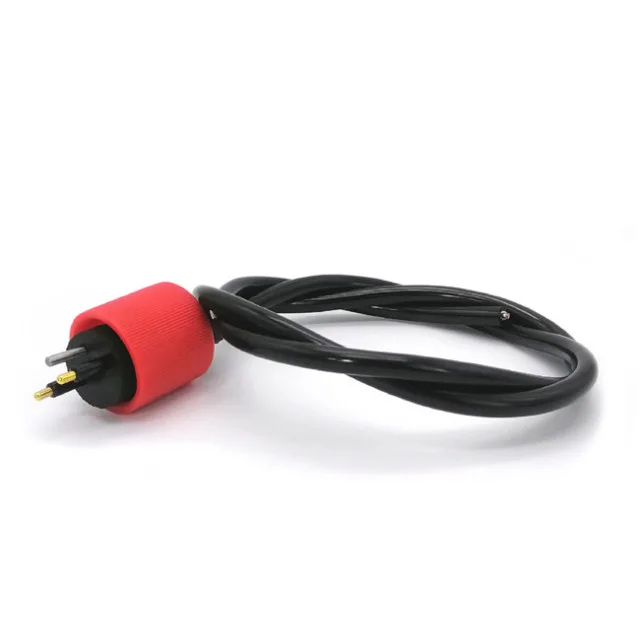
Compact electrical connections are important in subsea systems where available installation space can be limited and equipment may be exposed to water, pressure, vibration, and changing environmental conditions. Micro 2-8 Pin Watertight Connectors are designed for applications that require a small-format connection while maintaining electrical and environmental protection. These connectors are used across equipment such as underwater sensors, compact ROVs, subsea cameras, and monitoring systems. Understanding their configurations, electrical characteristics, mounting options, and operating conditions can help engineers select an appropriate connection solution.
What Are Micro 2-8 Pin Watertight Connectors?
Micro 2-8 Pin Watertight Connectors are compact subsea connectors available with different numbers of electrical contacts, from 2 through 8 pins. HYSF Subsea lists the series with a 7/16-20UNF-2A mounting thread and several configurations, including cable, receptacle, flange, right-angle, and oilfield-style options.
The different pin configurations allow the connector to accommodate various power and signal requirements. The appropriate configuration depends on the number of circuits required by the connected equipment and the electrical specifications of the application.
Electrical Configurations and Ratings
The electrical characteristics vary according to the number of pins. According to HYSF's published specifications, 2-, 3-, and 4-pin versions are rated at 10A, while 5-, 6-, and 8-pin versions are rated at 5A per pin.
The series also includes male and female cable assemblies, bulkhead receptacles, flange receptacles, right-angle versions, and protective plugs. This range of configurations allows engineers to select connection formats based on equipment layout and installation requirements.
Compact Design for Subsea Equipment
Space can be a significant constraint in underwater equipment. ROVs, sensor packages, imaging systems, and compact subsea enclosures may have limited room for electrical interfaces.
The Micro series uses a compact circular configuration intended for space-constrained installations. HYSF describes the series as part of its miniature subsea connector range for applications including compact ROVs and micro-sensors.
A smaller connector footprint can be useful when multiple electrical interfaces must be installed within a limited enclosure or equipment panel.
Mounting and Connection Options
A key consideration when selecting a subsea connector is how it will be integrated into the equipment.
Cable Assemblies
The series includes male and female cable configurations identified by model numbers such as MCIL2M through MCIL8M and MCIL2F through MCIL8F.
Bulkhead Receptacles
Bulkhead versions provide a fixed connection point through an equipment housing. HYSF lists MCBH configurations for different pin counts.
Flange Versions
Flange-mounted receptacles can be used where a different mechanical mounting arrangement is required. The published range includes flange versions for 2- through 8-pin configurations.
Right-Angle Options
Right-angle versions can help manage cable routing where straight cable exits are difficult to accommodate. HYSF lists both right-angle receptacles and cable configurations within the Micro series.
Materials and Construction
Connector materials can influence mechanical durability, corrosion resistance, and suitability for different environments.
Hysfsubsea published product information identifies POM as a standard material and lists 316L stainless steel as an optional material for the relevant connector configurations.
The connector series also uses molded construction and gold-plated copper contacts according to the manufacturer's product information. These design elements are intended to support electrical connection reliability in demanding environments.
Applications of Micro Subsea Connectors
Micro 2-8 Pin Watertight Connectors can be considered for a variety of compact underwater systems. HYSF identifies applications including ROVs, AUVs, sensor probes, underwater cameras, imaging systems, and subsea monitoring equipment.
For example, a compact sensor may require only a few electrical contacts for power and signal transmission. An underwater camera system may require a different pin configuration depending on its electrical and communication requirements.
Pressure and Environmental Considerations
Subsea connectors must be evaluated according to the pressure and environmental conditions of their intended application. HYSF's published documentation gives the Micro series a pressure rating of up to 60MPa and an operating temperature range of approximately -60°C to +80°C.
The actual suitability of a connector should still be determined from the specific model's technical documentation, installation method, cable configuration, and operating environment.
Selecting the Appropriate Connector
When selecting a Micro connector, several factors should be reviewed. These include the required number of pins, rated current, mounting thread, cable configuration, mating arrangement, installation space, and environmental requirements.
It is also important to verify whether the application requires a straight or right-angle configuration and whether a bulkhead, flange, cable, or protective plug is appropriate. Reviewing the manufacturer's drawings and electrical specifications before installation can help prevent compatibility issues.
Conclusion
Micro 2-8 Pin Watertight Connectors provide compact electrical connection options for subsea equipment requiring different pin configurations and mounting arrangements. HYSF Subsea's range includes 2-, 3-, 4-, 5-, 6-, and 8-pin configurations, along with cable, bulkhead, flange, right-angle, oilfield-style, and protective plug options.
For engineers working with underwater sensors, ROVs, cameras, monitoring equipment, and compact subsea enclosures, connector selection should be based on electrical requirements, mechanical dimensions, pressure conditions, materials, and the intended installation environment. Careful review of technical specifications remains essential for selecting the appropriate subsea interconnect.