A healthy, green lawn can improve your property's appearance, create a comfortable outdoor space, and enhance curb appeal. However, when your existing grass becomes patchy, thin, or damaged, deciding how to restore it can be challenging. Two common options are sod installation and grass seeding, each offering different benefits depending on your lawn's condition, budget, and maintenance needs.
Homeowners exploring Merrifield landscaping contractors often consider these methods when renovating an established yard or creating a new lawn. Understanding how they differ can help you select an approach suited to Northern Virginia's climate and soil conditions.
P&P Landscaping Services provides lawn installation and maintenance solutions for homeowners looking to improve their outdoor spaces.

What Is the Difference Between Sod Installation and Grass Seeding?
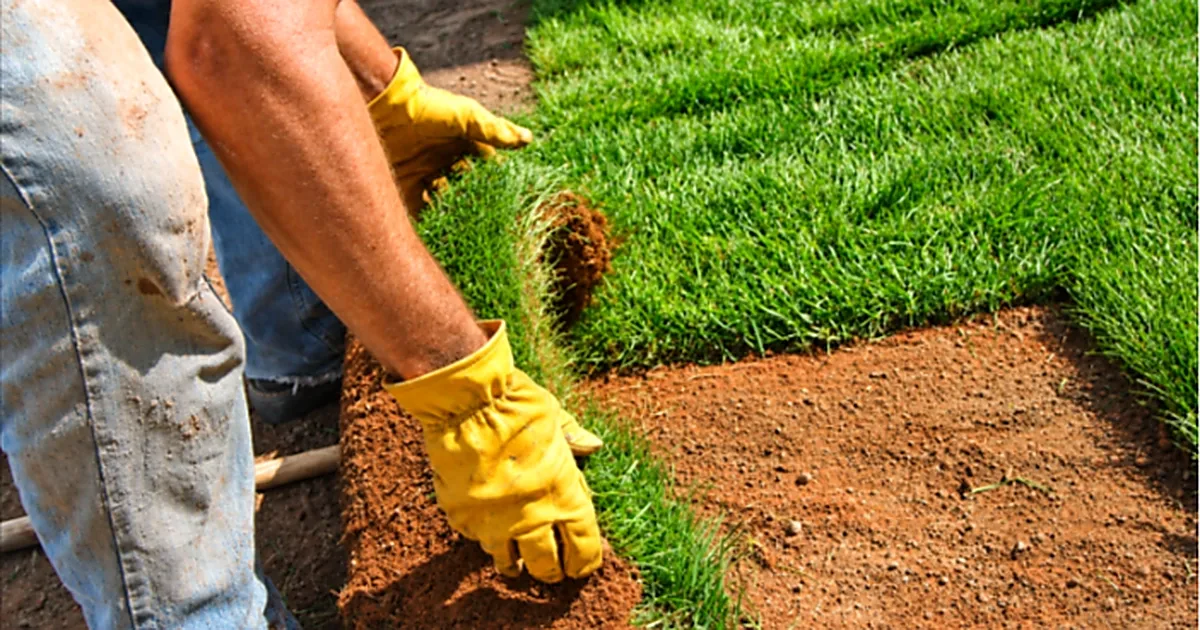
Sod installation involves laying sections of mature, professionally grown grass over prepared soil. Grass seeding involves spreading selected grass seed directly onto prepared soil and allowing it to germinate and develop into a lawn.
The main difference is how quickly each method provides grass coverage.
Sod creates an immediate green appearance, although the roots still need time to establish in the underlying soil. Grass seed requires germination and several weeks of growth before providing substantial coverage.
Both methods can produce healthy lawns when suitable grass varieties, proper soil preparation, and consistent maintenance are used.
Sod Installation vs. Grass Seed: Quick Comparison
Factor Sod Installation Grass Seeding Initial cost Higher Lower Lawn appearance Immediate green coverage Develops gradually Establishment Existing grass must develop new roots Seeds must germinate and establish Grass selection Limited to available sod varieties Wider selection of seed varieties Soil erosion Provides immediate surface coverage More vulnerable before germination Watering Frequent watering during rooting Light, frequent watering during germination Ideal application New lawns and large damaged areas Thin lawns, overseeding, and budget-conscious renovations
What Are the Benefits of Sod Installation?
Sod is particularly useful for homeowners who want to replace extensively damaged grass or establish a new lawn without waiting for seeds to germinate.
Immediate Lawn Coverage and Curb Appeal
Sod creates a consistent green surface as soon as installation is complete. This makes it attractive for newly constructed homes, property renovations, and landscapes with extensive bare areas.
Although sod looks established immediately, it still requires careful watering and limited foot traffic while roots develop.
Better Initial Soil Coverage
Sod helps stabilize exposed soil and reduce surface erosion. This can be valuable for Northern Virginia properties where rainfall causes runoff across bare ground.
It also provides initial competition against weeds because the surface is already covered with established grass.
Professional Soil Preparation and Installation
Successful sod installation requires removing unwanted vegetation, preparing the soil, correcting uneven areas, and selecting suitable grass.
Homeowners can explore professional sod installation services to understand how soil testing, site preparation, and grass selection contribute to successful lawn establishment.
What Are the Benefits of Growing a Lawn From Grass Seed?
Grass seeding provides an affordable and flexible way to establish new turf or improve existing grass coverage.
Lower Initial Installation Cost
Grass seed generally costs less than sod, particularly when covering larger areas.
However, homeowners should account for soil preparation, irrigation, seed quality, and possible reseeding when comparing total expenses.
More Grass Variety Options
Seeding allows homeowners to choose among grass varieties suited to different sunlight conditions, soil characteristics, and maintenance preferences.
Tall fescue is widely used in Northern Virginia because selected varieties offer reasonable heat tolerance and adaptability to regional growing conditions.
Fine fescues may be useful in certain shaded areas, while Kentucky bluegrass can be included in appropriate lawn mixtures.
Suitable for Thin or Patchy Lawns
A lawn with healthy existing grass may benefit from overseeding rather than complete replacement.
Core aeration and seeding services can help address soil compaction and improve conditions for new grass growth.
This approach is particularly relevant when existing turf remains healthy enough to retain.
Which Option Performs Better in Northern Virginia's Climate?
Northern Virginia experiences hot, humid summers, cool winters, and seasonal rainfall. These conditions influence grass selection and the best time to establish a lawn.
Properties in Merrifield may also have compacted or clay-heavy soil that restricts root growth and water movement.
Best Time to Install Sod in Northern Virginia
Fall and spring are generally favorable seasons for installing cool-season sod, including tall fescue and Kentucky bluegrass.
Cooler conditions can reduce heat-related stress while encouraging root development.
Sod may also be installed outside these periods when soil conditions are suitable, the ground is not frozen, and adequate irrigation is available.
Best Time to Plant Grass Seed in Northern Virginia
Late summer through early fall is generally the preferred period for establishing cool-season grass from seed.
For Northern Virginia, late August through September is particularly favorable, although suitable conditions may extend into October.
Spring seeding is another option, but young grass may face greater competition from weeds and summer heat before becoming fully established.
For homeowners comparing landscaping services in Merrifield, seasonal timing should influence whether sod installation or grass seeding is recommended.
How Do Soil Conditions Affect Sod and Grass Seed?
Soil preparation plays an important role in the success of either method.
Compacted clay soil can limit root development, while poor drainage may leave grass exposed to excessive moisture.
Before installing sod or planting seed, assess the following conditions:
- Soil compaction: Determine whether the ground needs aeration or other preparation.
- Soil nutrients: Use a soil test to identify nutrient needs and pH adjustments.
- Drainage: Check for standing water after rainfall.
- Sun exposure: Select grass varieties appropriate for sunny or partially shaded areas.
- Existing vegetation: Remove unwanted grass and weeds when establishing a completely new lawn.
Persistent water accumulation may require professional yard drainage solutions before lawn installation begins.
Correcting underlying soil problems helps prevent new grass from experiencing the same difficulties as the previous lawn.
How Should You Choose Between Sod and Grass Seed?
The right approach depends on your lawn's current condition and what you want to achieve.
Choose Sod Installation When:
- You want immediate green lawn coverage.
- Large sections of grass are missing or severely damaged.
- Your property has exposed soil vulnerable to erosion.
- You are establishing a lawn around new construction.
- You have the budget for higher upfront installation costs.
Choose Grass Seeding When:
- You want a lower-cost lawn establishment option.
- Your existing lawn mainly needs thicker grass coverage.
- You can maintain consistent watering during germination.
- You prefer a wider selection of grass varieties.
- You can allow additional time for the lawn to develop.
Homeowners considering landscaping services in Merrifield should also evaluate how frequently the lawn will be used and whether existing grass can be preserved.
What Maintenance Does a Newly Installed Lawn Need?
Both sod and seeded lawns require careful maintenance during establishment.
Watering New Sod
Freshly installed sod needs adequate moisture to encourage roots to grow into the soil beneath it.
Water thoroughly after installation and keep the sod and underlying soil moist during initial rooting. Adjust watering frequency according to weather, soil moisture, and root development.
Avoid heavy foot traffic until the sod is securely rooted.
Caring for Newly Seeded Grass
New grass seed needs consistent surface moisture during germination.
Water lightly and frequently enough to prevent the seedbed from drying out. As seedlings develop, gradually transition toward deeper, less frequent watering.
Avoid mowing until the grass reaches the appropriate height for its variety.
Routine lawn mowing services and properly timed fertilization and weed control can support established turf after the initial growth period.
When Should You Consider Professional Lawn Installation?
Professional assistance can be valuable when a lawn has extensive damage, compacted soil, drainage problems, or uneven terrain.
An experienced landscaping team can evaluate the property, recommend suitable grass varieties, and determine whether complete sod replacement or seeding is appropriate.
P&P Landscaping Services offers lawn establishment, aeration, and maintenance solutions tailored to residential and commercial landscapes.
Choosing professional landscaping services in Merrifield can help homeowners coordinate soil preparation, installation, and ongoing care around their property's specific requirements.
Final Thoughts: Choosing the Right Lawn Installation Method
Both sod installation and grass seeding can create healthy, attractive lawns when matched with the right property conditions and maintenance practices.
Sod provides immediate coverage and is useful for major lawn renovations. Grass seeding offers a cost-effective approach for establishing new turf or improving existing grass density.
For Merrifield homeowners, soil quality, drainage, grass selection, and seasonal timing should guide the decision.
P&P Landscaping Services provides landscaping services in Merrifield to help homeowners improve lawn appearance, address soil concerns, and establish healthier outdoor spaces.
If you are planning a new lawn or renovating damaged grass, request a free landscaping estimate to discuss the most suitable installation method for your property.
Frequently Asked Questions
1. Is sod better than grass seed for Northern Virginia lawns?
Sod is often better when immediate lawn coverage or erosion control is important. Grass seed is generally more economical and suitable for overseeding existing lawns. Both can perform well when installed during appropriate growing conditions.
2. How long does sod take to establish in Virginia?
Sod commonly begins developing roots within the first one to two weeks under favorable conditions. Firm establishment often takes several weeks, while deeper root development continues afterward. Weather, soil preparation, watering, and grass variety affect the timeline.
3. What is the best grass type for lawns in Merrifield, VA?
Turf-type tall fescue is a popular choice for Northern Virginia lawns because of its adaptability and relatively good heat tolerance. Other suitable options depend on sunlight, soil conditions, and maintenance preferences.
4. Is sod installation more expensive than seeding?
Yes. Sod typically has higher upfront material and installation costs because mature grass must be grown, transported, and installed. Grass seed is generally less expensive initially but requires more time and careful establishment.
5. Can I install sod over an existing lawn?
Installing sod directly over existing grass is generally not recommended. Removing unwanted vegetation and preparing the soil allows better contact between the sod roots and the ground, supporting successful establishment.
6. Should I choose sod or seeding for a patchy lawn?
If much of the existing grass remains healthy, overseeding may be sufficient. Sod installation is worth considering when extensive areas are bare, severely damaged, or require complete replacement.