
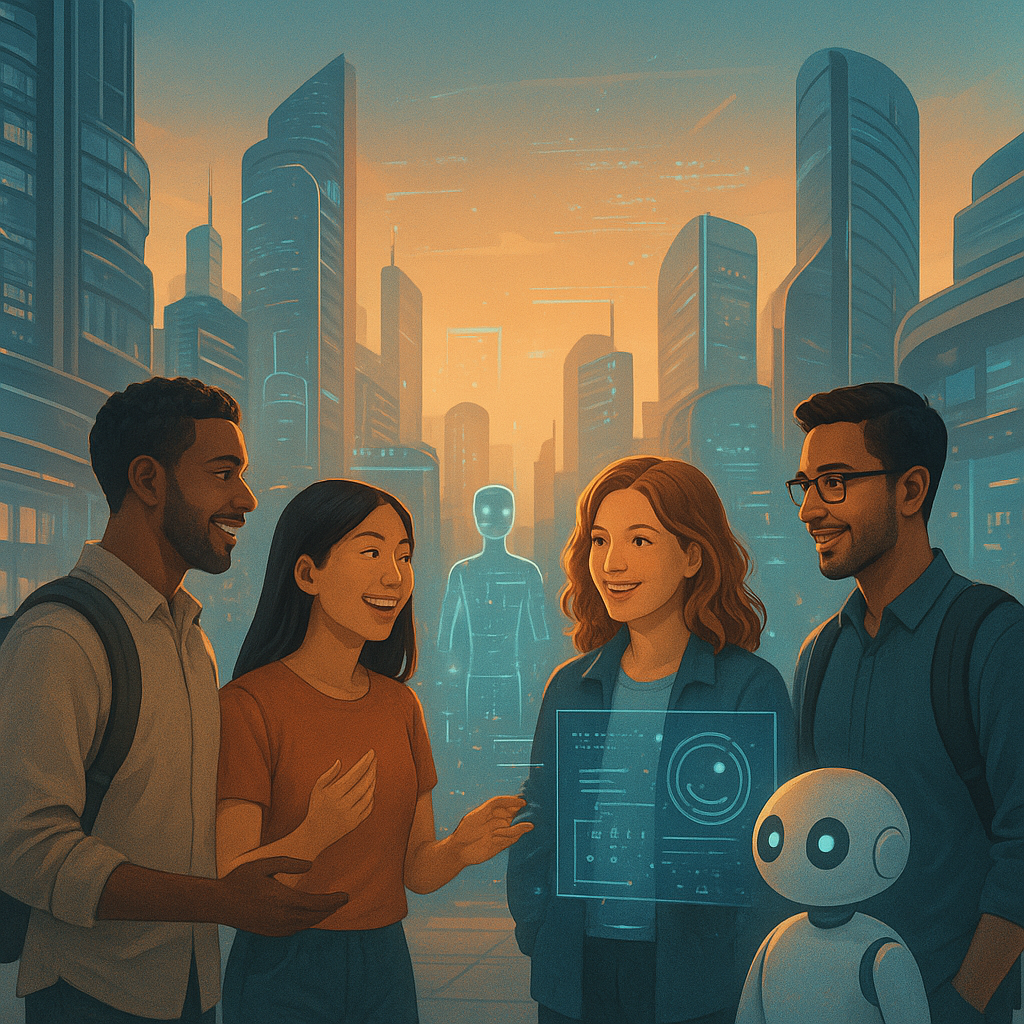
Setting the Stage: A Digital World Transformed by Social Media
Imagine scrolling through a social feed in 2026 where every post feels like a genuine conversation, powered not only by human creativity but also by advanced artificial intelligence. The social media landscape has undergone a profound transformation, reflecting broader shifts in technology, user expectations, and regulatory frameworks. According to recent industry reports, global social media users have surpassed 5 billion, marking a milestone that underscores the immense scale and influence these platforms exert on daily life and business. Yet, the platforms themselves look radically different than just a few years ago.
Back in early 2026, the convergence of AI, immersive media, and privacy-conscious design has reshaped how brands, creators, and consumers interact. The omnipresence of AI-driven content curation and creation tools, combined with a growing consumer demand for authenticity, has forced marketers and platforms alike to rethink engagement strategies fundamentally. This shift is not merely incremental; it signals a new paradigm in digital marketing and social interaction.
These changes set a compelling scene for exploring what’s next for social media trends in 2026, with a focus on the forces redefining digital engagement strategies. This article unpacks the evolution of social media, analyzes key developments this year, and offers actionable insights to navigate this dynamic ecosystem.
The Road to 2026: From Viral Posts to AI-Empowered Experiences
Understanding 2026’s social media requires a look back at the rapid evolution over the past decade. The 2020s witnessed a pivot from traditional social media’s focus on text and images to immersive, real-time video and augmented reality (AR) experiences. Platforms like TikTok revolutionized short-form video, while Instagram and Snapchat expanded AR filters and shopping integrations.
Simultaneously, data privacy scandals and regulatory crackdowns have prompted robust changes in platform policies, moving the industry toward transparency and user control. This regulatory environment accelerated the development of privacy-first technologies, such as decentralized identity verification and encrypted messaging, which are now mainstream.
Meanwhile, artificial intelligence became deeply embedded in every facet of social media—from content moderation and personalized feeds to AI-generated influencers and hyper-targeted advertising. These innovations have also raised ethical questions about authenticity and user manipulation, prompting brands to adopt more transparent and trust-centric approaches.
By 2026, social media platforms have evolved into complex ecosystems blending social networking, e-commerce, entertainment, and AI-driven personalization. This context sets the foundation for understanding current trends shaping the digital marketing landscape.
2026’s Defining Trends: AI, Authenticity, and Immersive Engagement
Several key trends dominate the social media landscape this year, each reshaping how users and brands connect. The integration of AI is no longer a novelty but a core pillar. AI-powered content creation tools have democratized high-quality video and interactive content production, enabling even small creators to compete at scale.
At the same time, authenticity has emerged as a paramount value. Consumers increasingly crave genuine interactions and transparent brand narratives, pushing marketers to prioritize real user-generated content over polished advertisements. Platforms have responded by elevating community-driven features, such as live streaming, ephemeral stories, and social audio spaces, which foster spontaneous and intimate interactions.
Immersive technologies also continue their ascent. AR and virtual reality (VR) are now integrated into mainstream social platforms, enabling users to participate in shared virtual environments, attend concerts, and shop in 3D storefronts. These experiences are supported by advances in 5G and edge computing, ensuring seamless and low-latency interactions.
"Authenticity and AI-driven personalization are not opposing forces but complementary drivers that will define social media’s next chapter," says digital marketing strategist Anika Desai.
Data from industry analysts highlight these trends:
- AI-generated content accounts for over 35% of social media posts from brands in 2026.
- Live social commerce sales have doubled compared to 2024, reaching $350 billion globally.
- AR-enabled social interactions attract 2 billion monthly active users across major platforms.
These figures reflect a marketplace where technology and human connection intertwine more than ever before.
New Developments This Year: Platform Innovations and Marketing Strategies
In 2026, social media platforms have launched groundbreaking features that reshape user engagement and marketing tactics. Meta’s Horizon World 3.0 has expanded its VR social universe, integrating AI companions that personalize user experiences and facilitate brand storytelling. TikTok introduced AI-driven trend prediction tools for creators, enabling them to align content with emerging audience interests proactively.
Twitter, now rebranded as X, has doubled down on real-time social audio and integrated blockchain-based tipping systems to reward creators transparently. These innovations signal a shift toward creator empowerment and decentralized monetization models, challenging traditional advertising-dependent revenue streams.
From a marketing perspective, brands are harnessing AI not only to automate content creation but also to optimize influencer partnerships. Data-driven algorithms identify micro-influencers with high authentic engagement, ensuring campaigns achieve maximum ROI.
Furthermore, regulation-driven changes have made data privacy a competitive advantage. Brands transparent about data use and committed to ethical AI practices report higher consumer trust and loyalty.
Marketing expert Lucas Chen notes, "In 2026, success hinges on blending cutting-edge AI tools with a human-centric approach that respects user privacy and fosters trust."
The following summarizes 2026 platform trends:
- AI-powered content and analytics tools integrated across platforms.
- Expansion of immersive AR/VR social spaces.
- Creator-focused monetization and decentralized payment systems.
- Privacy-first features enhancing user control.
- Increased adoption of social commerce across demographics.
Industry Voices and Market Impact: What Experts Are Saying
The social media transformation has profound implications for digital marketing professionals, platform developers, and end users alike. Industry leaders emphasize the necessity of agility and ethical leadership in this rapidly evolving environment.
According to a recent panel of social media executives and marketing strategists convened by TheOmniBuzz, the future belongs to platforms and brands that prioritize authenticity and foster meaningful community interactions.
Experts also highlight the role of AI in democratizing content creation and amplifying diverse voices, which can help brands reach niche audiences with tailored messaging. However, they caution against over-reliance on automation, which risks alienating users if it compromises authenticity.
The rise of immersive technologies has sparked debate over the balance between digital escapism and real-world connection, with some warning of potential social fragmentation if virtual experiences become too detached from reality.
These perspectives echo insights from our related analysis, Why Social Media’s Next Chapter Is Redefining Digital Engagement, which explores how trust and innovation converge to reshape social ecosystems.
Looking Ahead: Navigating Social Media’s Next Wave
As social media progresses through 2026, stakeholders face critical decisions about strategy, technology adoption, and ethical responsibility. Marketers must embrace AI-enhanced tools while maintaining a clear focus on authenticity and user trust. Brands that invest in transparent communication and community-building will likely outperform competitors relying solely on algorithmic reach.
Users, for their part, will increasingly demand control over their data and personalized yet genuine interactions. Platforms that successfully balance privacy, innovation, and meaningful social connection will set the industry standard.
Key considerations for those planning ahead include:
- Integrating AI content creation with human oversight to preserve authenticity.
- Leveraging immersive AR/VR experiences to deepen engagement without overwhelming users.
- Prioritizing transparent data practices to build and maintain consumer trust.
- Expanding social commerce capabilities with seamless, secure transactions.
- Fostering diverse creator ecosystems to reach fragmented audiences effectively.
Strategic foresight will be essential in a landscape where technology evolves rapidly, yet human connection remains at the core. For marketers seeking deeper insights, our feature on Rethinking Social Media Marketing: Strategies for Authentic Engagement in 2026 offers practical guidance on adapting to these trends.
In conclusion, social media in 2026 is defined by the interplay of AI innovation and a renewed commitment to authenticity. Navigating this complex terrain will require balancing technological possibilities with genuine human engagement, a challenge and opportunity that will shape digital marketing’s future for years to come.