The Social Media Revolution: A Glimpse Into 2026’s New Reality
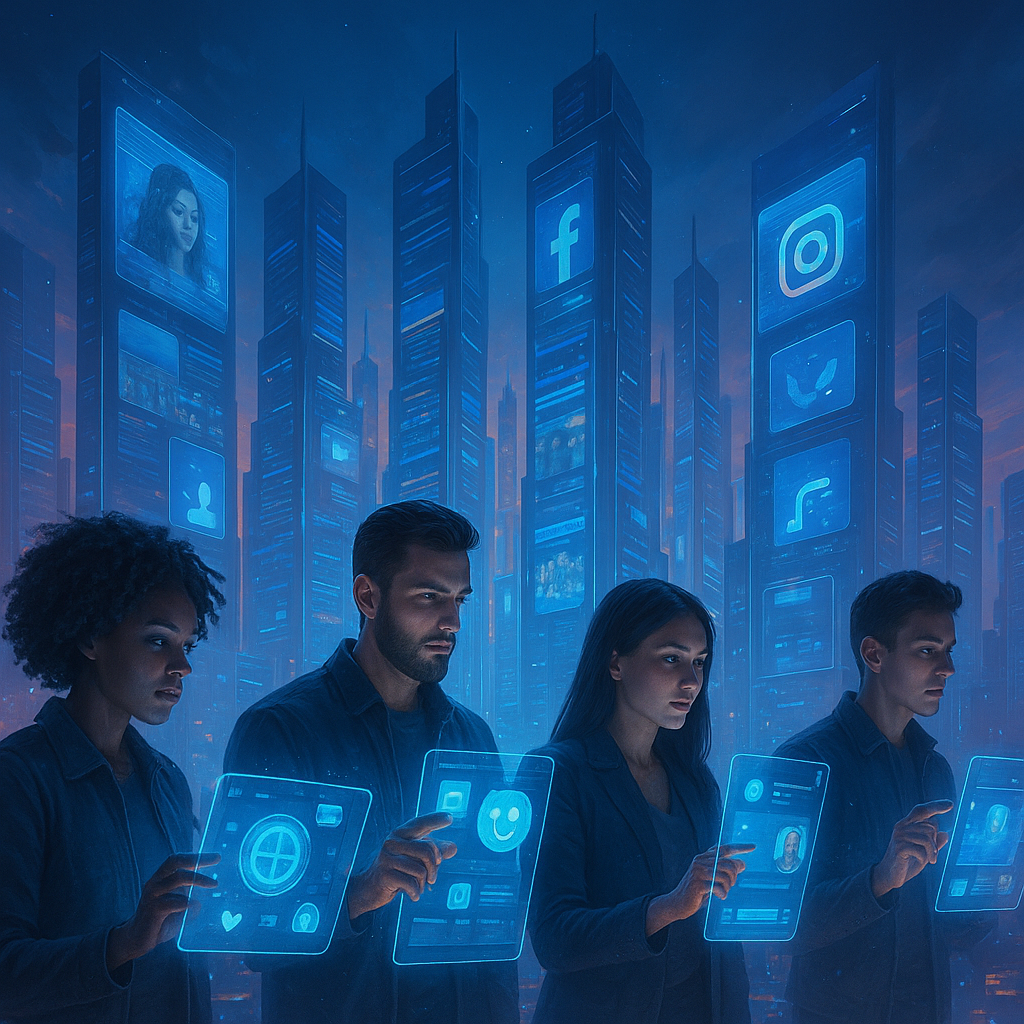
On a brisk morning in early 2026, digital marketers at a major global conference witnessed a striking demonstration. A brand’s social campaign, live-streamed in augmented reality (AR), allowed viewers to interact with virtual objects seamlessly integrated into their physical environment. This wasn’t a sci-fi fantasy, but the latest evolution in social media engagement. The campaign reported a staggering 45% uplift in audience interaction compared to traditional video ads, signaling a seismic shift in how brands communicate with consumers.
Social media has always been a dynamic force reshaping communication, culture, and commerce. Yet, the landscape we see in 2026 is one of profound transformation, driven by technological leaps, evolving user behaviors, and regulatory shifts. As platforms mature, marketers and creators face new challenges and opportunities. The question is no longer just how to be present on social media, but how to meaningfully engage in a world where digital and physical realities are increasingly intertwined.
“The boundaries between content creation and immersive experience are dissolving, pushing social media beyond screens into our lived environments.” – Dr. Lena Voss, Digital Culture Analyst
From Text to Immersion: Tracing the Path to 2026’s Social Media
Understanding the trends dominating 2026 requires retracing the trajectory social media has followed over the past decade. The early 2020s saw platforms pivot towards short-form video and ephemeral content, popularized by TikTok’s explosive growth. This era emphasized authenticity, speed, and shareability, driving brands to adopt more native, casual tones. However, by the mid-2020s, user fatigue with overcrowded feeds and concerns over privacy led to a shift.
Simultaneously, the rise of the metaverse concept catalyzed new forms of digital interaction. Early metaverse projects, initially viewed as niche or experimental, matured into robust social ecosystems combining AR, virtual reality (VR), and blockchain-based digital assets. Platforms like Meta’s Horizon Worlds and decentralized social hubs began integrating commerce, entertainment, and socializing in immersive spaces.
These developments occurred against a backdrop of increasing regulation around data privacy and misinformation. Governments worldwide enacted stricter laws, compelling platforms to innovate transparency and user control. This legal environment accelerated the adoption of decentralized social networks, where users own their data and content rights.
“Social media’s evolution is as much about reclaiming user trust as it is about technological innovation.” – Maria Chen, Policy Director at Global Digital Rights Forum
2026 Core Trends Reshaping Social Media Engagement
The current social media ecosystem in 2026 is defined by several interconnected trends that marketers must understand deeply:
- Immersive Experiences Beyond Screens: AR and VR integration is no longer experimental. Platforms provide creators with tools to develop interactive 3D content accessible via AR glasses and VR headsets. This shift allows users to engage with brands through experiences rather than passive content consumption.
- AI-Driven Personalization and Content Creation: Advanced AI algorithms curate content feeds with unprecedented precision, factoring in emotional responses and contextual data. Moreover, AI-generated content, including avatars and virtual influencers, is now mainstream, challenging notions of authenticity.
- Decentralization and Data Sovereignty: Users increasingly prefer decentralized social platforms built on blockchain technology, where data privacy and content monetization are user-controlled. This trend disrupts traditional ad-driven business models.
- Social Commerce with Direct Immersive Buying: The fusion of social media and e-commerce has evolved. Users can now interact with products in 3D before purchase, try virtual clothes or gadgets in AR, and transact seamlessly without leaving platforms.
- Community-Driven Content and Micro-Networks: There is a resurgence of niche communities and micro-networks, where engagement is deeper and content more specialized. This counters the broad, influencer-centric model dominant in the early 2020s.
These trends interplay to create a complex environment where content creators must be versatile, technologically adept, and sensitive to privacy and ethical considerations.
Spotlight on 2026: Platform Innovations and Market Shifts
Several platforms have pioneered these trends with noteworthy developments in early 2026:
- SnapVerse by Snap Inc.: An AR-first social network launched in late 2025, SnapVerse allows users to create and share AR environments layered over real-world locations. Brands such as Nike and Samsung have harnessed SnapVerse for immersive product launches, reporting conversion rates 3x higher than traditional digital ads.
- Twine: A decentralized social platform leveraging blockchain for content ownership, Twine has attracted over 50 million monthly active users, particularly among creators seeking fair monetization. Its native token incentivizes quality content and community governance.
- Instagram Reels 2.0: Instagram’s upgraded short-video feature now includes AI-driven editing tools and AR effects that respond to user emotions, enhancing interactivity and personal connection.
Market data from Statista indicates that global social commerce sales are expected to surpass $1.4 trillion by the end of 2026, a 60% increase from 2024. This growth is driven by immersive shopping experiences and integrated payment systems within social apps.
These platform innovations are forcing digital marketers to rethink strategies. No longer is it sufficient to produce viral videos or catchy posts; brands must invest in experiential content, data ethics, and community building.
Expert Insights: Navigating the Complex Social Media Terrain
Industry leaders emphasize that success in 2026’s social media landscape requires a holistic approach. Dana Martinez, Chief Marketing Officer at a leading AR content agency, notes:
“Marketers must now blend storytelling with technology fluency. The most effective campaigns are those that create emotional resonance through interactive, personalized experiences.”
Similarly, cybersecurity experts highlight the emerging risks. As digital identities and assets move into immersive spaces, safeguarding user privacy and preventing fraud becomes paramount. This intersects with broader cybersecurity trends discussed in TheOmniBuzz’s Cybersecurity in 2026: Trends, Challenges, and Strategic Responses article.
Meanwhile, content creators advocate for ethical use of AI and transparent algorithms to maintain trust. The rise of virtual influencers has sparked debates about authenticity, with some audiences demanding clearer disclosure of AI-generated personas.
- Key expert recommendations for marketers:
- Invest in AR/VR content skill development
- Prioritize data privacy and transparent user communication
- Foster authentic community engagement over broad reach
- Leverage AI tools responsibly to augment creativity
Looking Ahead: What Should Marketers Watch for in Social Media’s Future?
As we progress further into 2026, several emerging dynamics hint at the next frontier for social media:
- Neuro-Responsive Content: Early experiments with brain-computer interfaces (BCI) suggest future social media could respond to user neural signals, offering hyper-personalized experiences.
- Cross-Platform Immersive Ecosystems: Integration between decentralized social hubs, metaverse worlds, and traditional platforms will deepen, enabling seamless movement of identity and assets.
- Regulation-Driven Innovation: Anticipated global data regulations could mandate interoperable user data rights, reshaping platform architectures and monetization.
- Environmental and Social Responsibility: Users increasingly expect platforms and brands to demonstrate sustainability and social impact, influencing content and partnership decisions.
- AI-Enhanced Creativity Tools: Democratization of AI-powered content creation will empower smaller creators but also raise questions about originality and copyright.
For marketers, staying agile and informed is crucial. Embracing emerging technologies while maintaining ethical standards and community focus will differentiate leaders from laggards.
Social media’s evolution is far from over. As it continues converging with immersive tech and decentralization, the next wave of digital marketing will be defined not just by reach but by meaningful engagement and user empowerment.
For those interested in the technological underpinnings influencing digital marketing strategies, TheOmniBuzz’s coverage of Software Development in 2026: Trends, Challenges, and Future Outlook offers valuable insights into the software ecosystems enabling these innovations.