
From Mass Reach to Meaningful Connection: A New Era Begins
On a brisk morning in early 2026, a mid-sized apparel brand in Portland launched a social campaign that went viral—not because of flashy ads, but due to genuine storytelling and community involvement. This moment underscores a pivotal shift in social media marketing: the move from broad audience targeting to authentic, human-centered engagement. The brand's campaign, leveraging micro-influencers and community-generated content, achieved a 42% increase in sales within three weeks, outperforming traditional ad blitzes by a wide margin. This example is emblematic of how far social media marketing has evolved, reflecting changes not only in technology but in consumer expectations and platform algorithms.
According to recent studies by marketing analytics firms, over 68% of consumers now prioritize brand authenticity and transparent communication over flashy promotions. This transformation demands marketers rethink their approach, shifting from data-driven mass outreach toward nuanced, personalized engagement strategies. The landscape is reaching a complexity where understanding audience psychology, platform dynamics, and ethical considerations is paramount.
“Brands that foster genuine conversations and community involvement are the ones thriving in today’s social media ecosystem.” — Marketing strategist Karen Liu
Tracing the Evolution: How Social Media Marketing Arrived Here
Social media marketing has undergone dramatic transformations since the early 2010s, when platforms like Facebook and Twitter primarily served as channels for brand awareness and direct advertising. Initially, success metrics focused on follower counts and impressions. However, by the late 2010s and early 2020s, the rise of algorithmic feeds and the proliferation of video-centric platforms like TikTok began reshaping engagement patterns.
A significant inflection point came with the integration of AI-driven content recommendations and the explosion of short-form video content. Brands that adapted by creating bite-sized, relatable content saw exponential growth. However, this era also introduced challenges: content saturation, privacy concerns, and increasing user skepticism toward overt advertising.
Meanwhile, regulatory pressures and consumer demand for transparency have forced platforms and marketers to rethink data collection and usage practices, emphasizing consent and privacy. This backdrop set the stage for the 2020s’ focus on authenticity, community building, and ethical marketing.
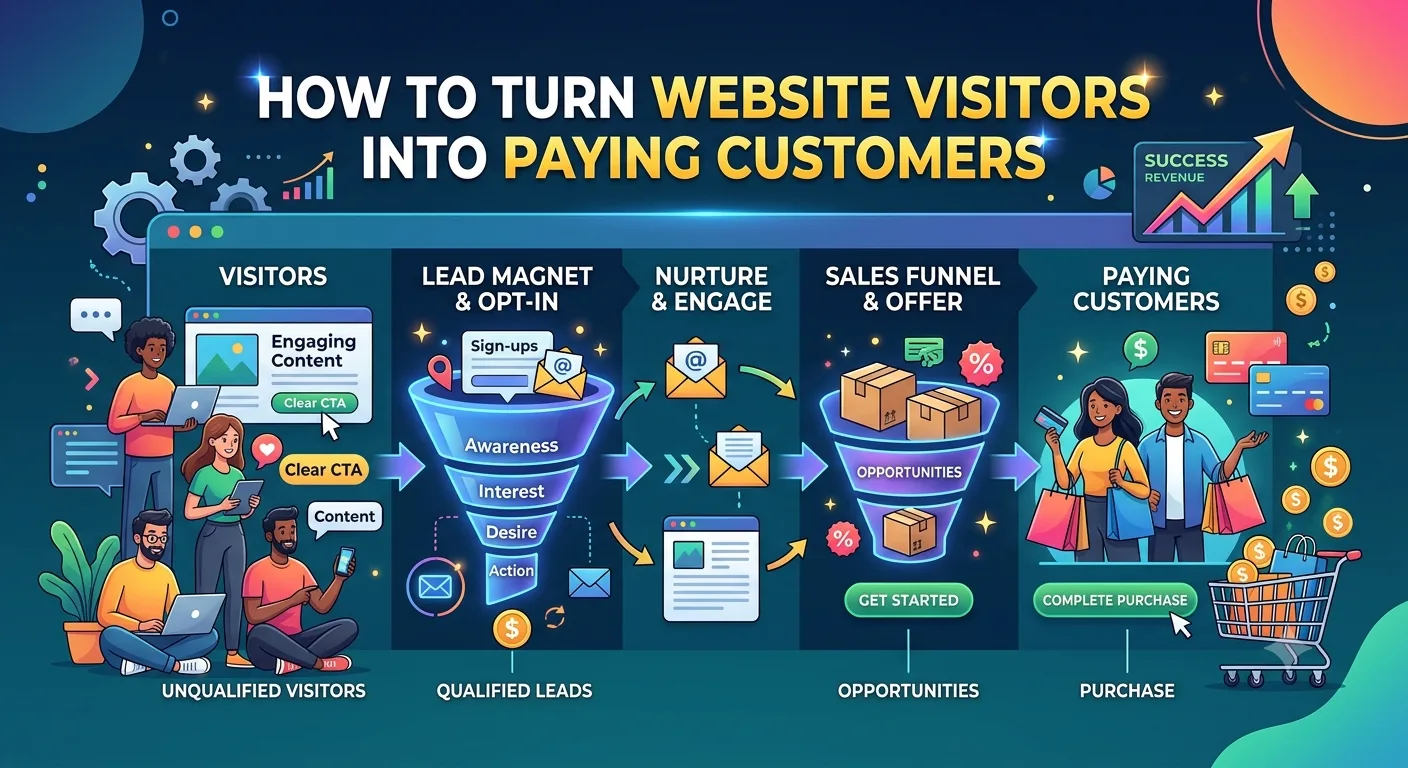
As platforms matured, new features promoting social commerce—such as live shopping, in-app stores, and augmented reality try-ons—blurred the lines between content and commerce, creating integrated ecosystems. Marketers learned to craft seamless journeys from discovery to purchase, yet the challenge remained: how to maintain genuine engagement without alienating consumers with overt sales tactics.
Decoding 2026 Social Media Marketing: Data and Trends
The current social media marketing landscape in 2026 is defined by a complex interplay of technology, consumer behavior, and evolving platform strategies. According to industry reports, global spending on social media advertising surpassed $250 billion in 2025, accounting for nearly 40% of all digital ad spending. Yet, the most successful campaigns are no longer those with the largest budgets but those with the most nuanced strategies.
Three core trends dominate the field:
- Hyper-Personalization through AI and Data Analytics: Brands leverage real-time data streams combined with AI to tailor content to micro-segments, enhancing relevance without compromising privacy standards.
- Rise of Immersive Social Experiences: Augmented reality (AR) and virtual reality (VR) are now mainstream in social media, with platforms offering interactive brand experiences that blend entertainment and commerce.
- Community-Centric Marketing: Brands invest heavily in nurturing communities rather than just audiences, encouraging user-generated content, peer recommendations, and authentic brand advocacy.
These shifts have tangible impacts. For instance, a 2026 survey by Digital Marketing Insights found that campaigns integrating AR experiences saw a 35% higher engagement rate, while those focusing on community management reported a 27% increase in customer lifetime value.
“The future belongs to brands that treat their followers as members of a community, not just as data points or transaction targets.” — Social media analyst Marco Alvarez
The landscape is also shaped by platform competition. Meta’s recent pivot toward AI-generated content tools and LinkedIn’s expansion into creator monetization programs reflect a broader trend of platforms empowering marketers with advanced tools while encouraging authentic content creation.
Further, the integration of AI moderation and content authenticity verification tools has helped combat misinformation and inauthentic behavior, fostering safer spaces for brand-consumer interaction.
Expert Insights: Industry Leaders on Navigating the New Normal
Leading voices in digital marketing emphasize the importance of strategic flexibility and ethical considerations. Sarah Thompson, Chief Marketing Officer at Lumina Brands, explains, “In 2026, agility is crucial. Social media trends can shift overnight, and marketers must balance innovation with trust-building.”
Industry experts agree that ethical marketing practices—such as transparent influencer partnerships, respect for consumer data, and avoiding manipulative tactics—are no longer optional. These elements have become central to brand reputation and long-term success.
Moreover, experts highlight the impact of cross-disciplinary skills in marketing teams. The convergence of data science, creative storytelling, and social psychology is now standard. Marketers who master this blend drive superior campaign outcomes.
- Data-driven creativity: Using analytics to inform storytelling, not just to track metrics.
- Community moderation: Actively managing brand communities to foster positive engagement.
- Platform-specific expertise: Tailoring strategies to the nuances of each social media ecosystem.
These insights align with findings in How Media Strategy Shapes Digital Marketing Careers in 2026, which emphasizes the evolving nature of marketing roles requiring hybrid expertise.
Case Studies: Success Stories Illustrating Modern Social Media Marketing
Examining recent campaigns offers concrete lessons. One notable example is the 2025 launch of a sustainable cosmetics line by GreenGlow, which combined AR try-ons with influencer-led storytelling on Instagram and TikTok. Their campaign achieved a 50% increase in brand engagement and a 30% boost in sales within two months.
Key success factors included:
- Authentic influencer partnerships aligned with brand values.
- Interactive AR filters that allowed users to virtually test products.
- Active community management encouraging user reviews and feedback.
Another compelling case is the B2B tech firm NexaCloud, which used LinkedIn’s creator tools and employee advocacy programs to humanize its brand. The result was a 70% increase in qualified leads and enhanced brand perception in a traditionally conservative sector.
These examples highlight the importance of blending technology with human connection, a theme also explored in our article Why Social Media’s Next Chapter Is Redefining Digital Engagement.
Looking Ahead: What Marketers Should Watch in Social Media Marketing
As we move deeper into 2026 and beyond, several emerging factors will redefine social media marketing:
- Generative AI Content Integration: Marketers will increasingly collaborate with AI to co-create personalized, real-time content tailored to individual user preferences.
- Decentralized Social Platforms: Blockchain-based social networks may offer new opportunities for data ownership and monetization, reshaping influencer marketing economics.
- Enhanced Privacy Norms: Stricter regulations and consumer demands will require marketers to innovate in privacy-first targeting and measurement.
To thrive, brands must embrace continuous learning, ethical transparency, and community-first mindsets. They should invest in technologies that enhance, rather than replace, human creativity and connection.
“The brands that win will be those that see social media not as a broadcast channel, but as a dynamic dialogue with their communities.” — Digital marketing futurist Anil Deshpande
In conclusion, social media marketing in 2026 is a sophisticated, multifaceted discipline demanding agility, authenticity, and technological savvy. Marketers who adapt by prioritizing genuine engagement and ethical practices will not only survive but lead.
For further reading on evolving marketing techniques and career implications, see SEO in 2026: Evolving Strategies for Digital Marketing Success and How Canva’s Dual Acquisitions Are Redefining AI-Driven Marketing Automation.