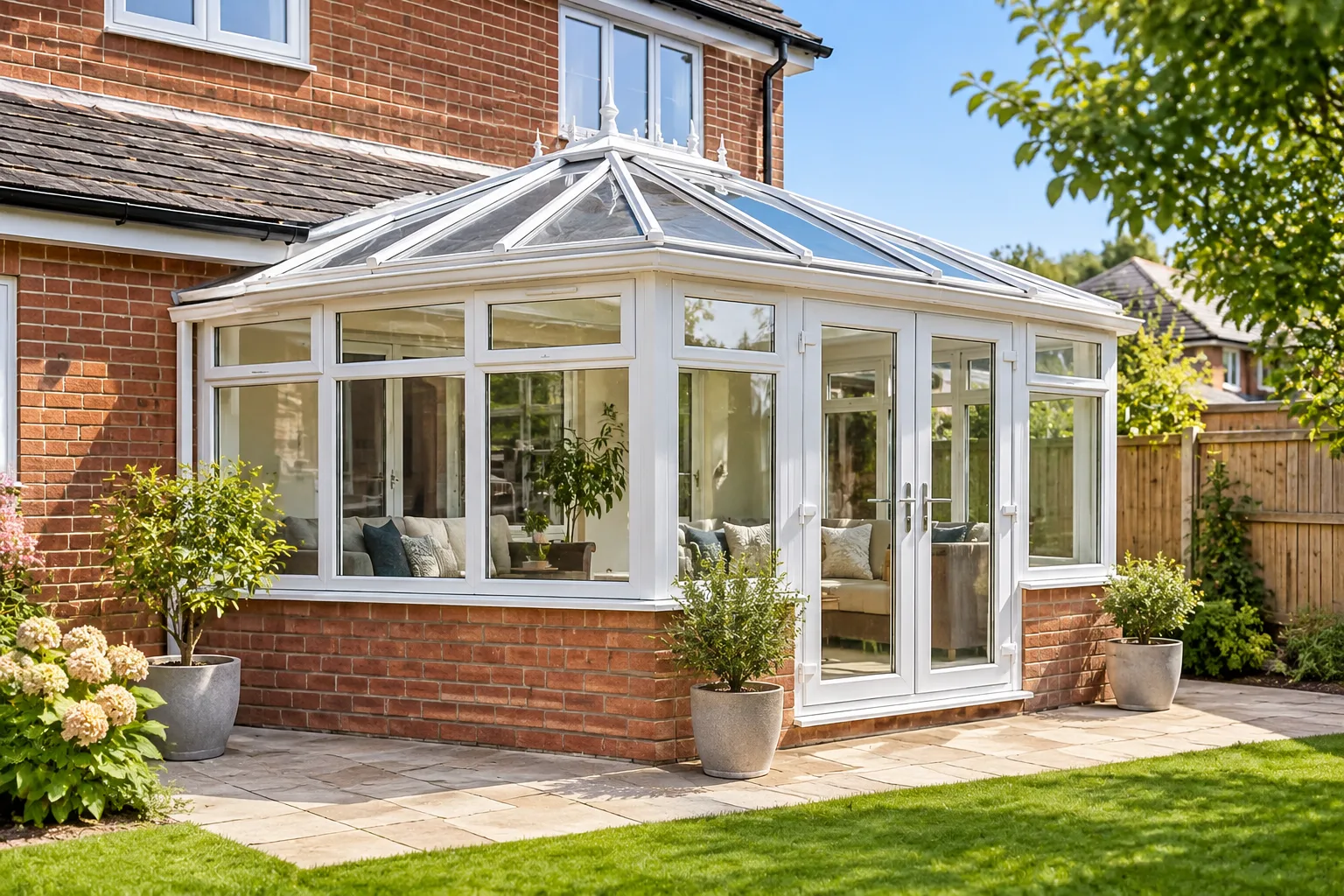
Choosing between conservatory styles can feel like a daunting task, especially when you want your new conservatory to match your home and daily life. The good news is that each design offers something clear and useful. Some create a classic look. Others make the most of tight areas or bring in more light. If you are planning a home improvement project, understanding the main shapes first can help you pick a space that feels right from the start.
Overview of Conservatories Designs for UK Homes
Across the UK, the most popular conservatories designs include the lean-to, Victorian, Edwardian, and gable styles. Each type of conservatory adds extra living space, but the shape, roofline, and front style change how the room feels and functions.
Some homeowners want a classic conservatory extension with period character. Others prefer a cleaner look for a modern house extension. That means yes, both modern and classic options are available. Your best fit depends on layout, roof height, and how you want to use the room. The next points make that choice easier.
Factors Influencing Choice of Conservatory Style
Start with your house type. A rounded design may suit a period home, while a flat front can work well on a modern build or a bungalow. Your choice of design should also reflect how much floor area you have and whether you want a bright lounge, dining room, or flexible new room.
Then look at practical points. The roof type, the amount of glass, and local building regulations all affect the final design. A low roofline may call for a hip-back option, while a taller wall can suit a full pitched roof.
Keep these checks in mind:
- Match the style to your house type and available space.
- Ask about building regulations and height limits.
- Compare glass roof, solid roof, and tiled roof choices.
- Check product guarantees and installation cover.
- Choose a builder with years experience and clear guidance.
Popular Conservatories Designs in the UK Market
If you are asking what styles appear most often in the UK market, four lead the conservatory range. These are the lean-to conservatory, victorian conservatory, edwardian conservatory, and gable conservatory. Each one solves a different space or style need.
Some are best for limited space. Others give you a stronger period look or a bold roofline. The table below gives a quick comparison.
| Style | Main Shape and Look | Best Use |
|---|---|---|
| Lean-to conservatory | Flat front with a slanted roof | Smaller homes, simple layouts, tight spaces |
| Victorian conservatory | Bay front with faceted sides and ornate detailing | Traditional character and panoramic garden views |
| Edwardian conservatory | Rectangular shape with a flat front and pitched roof | Maximum floor space and flexible room layouts |
| Gable conservatory | Upright front with a high roof and central ridge | Grand feel, tall glazing, bright garden rooms |
These popular choices show that there is no single best answer. It depends on what you want the room to do.
Lean-To Conservatories Explained
A lean-to conservatory is one of the simplest and most practical designs you can choose. It usually has a flat front and a slanted roof that leans back toward the house. Because of that straightforward shape, it is often seen as the cheapest option for homeowners who want extra space without a highly detailed structure.
This style works especially well where there is limited space. It can sit neatly against smaller properties and still create a bright area for seating, dining, or garden rooms. Homes with lower rooflines can also benefit from this layout. If you want a clean look and a sensible starting point, a lean-to conservatory is often worth serious thought.
Key Features and Benefits
One big reason people choose this style is ease. The slanted roof keeps the structure simple, which can help when space is tight or the property has height restrictions. That makes it a smart fit for limited space where a larger design may feel too busy.
You also get flexible roof choices. A glass roof brings in natural light and opens up the room. A tiled roof can offer a more enclosed feel. Both can suit garden rooms, depending on how bright or private you want the space to be.
Key benefits include:
- A simple shape that fits many homes.
- Good use of narrow or awkward areas.
- A glass roof option for plenty of natural light.
- A tiled roof choice for a different finish.
- A practical layout for everyday use.
Best House Types for Lean-To Conservatories
Not every new conservatory suits every home, and this is where the lean-to stands out. It is often a strong match for properties with less rear space, lower rooflines, or a simple exterior shape. If your home does not have room for a wide bay front, this style can still work well.
It also suits small conservatories because the design does not waste floor area. The straight lines help you place furniture more easily, so the room can feel useful from day one. That is important when every foot of space matters.
If you are choosing by house type, ask yourself a few basic questions. Is the back of your home narrow? Is the roof height limited? Do you want a clean shape rather than ornate detailing? If yes, a lean-to may be the most sensible answer.
Victorian Conservatories Designs
A victorian conservatory remains one of the best-known styles in the UK because it brings strong character to almost any home. Its standout feature is the bay front, which creates a faceted, curved appearance linked to the Victorian era. That shape gives the room a softer outline and a more decorative feel than flatter designs.
For many homeowners, the appeal is not only the look but also the experience. The front shape helps create panoramic views of your garden and adds a real sense of grandeur. It suits period properties beautifully, but it can also make a statement on more modern homes when you want classic charm with extra living space.
Iconic Elements of Victorian Conservatories
The defining look of a victorian conservatory comes from a few clear details. First is the bay front, which gives the structure its rounded, faceted face. Then comes the pitched roof, often finished with decorative ridge features that add period style.
Large glass panels are also central to the design. They help keep the room bright while framing views of the garden from different angles. That is one reason the shape feels welcoming and open, even when the detailing is traditional.
What ties it all together is the ornate detailing. Compared with simpler styles, this one has more visual character. If you want a conservatory that feels classic, elegant, and full of personality, these features are usually what make the difference.
Design Variations - Three Facet vs Five Facet
Yes, there are different design options for a victorian conservatory. The two main versions are the three facet and the five facet layout. Both use the signature bay front, but the overall effect changes depending on how pronounced or subtle you want the curve to feel.
A three facet design gives a wider, more noticeable shape. A five facet design creates a softer rounded look. Both can add an extra room that feels bright and connected to the garden, but the final choice often comes down to space and visual preference.
Quick comparison:
- Three facet: bolder front shape and a stronger outline.
- Five facet: gentler curve and a softer bay front.
- Both: classic Victorian style with useful extra room.
Edwardian Conservatories Designs
An edwardian conservatory is known for its flat front, clean lines, and rectangular shape. While it still reflects the style of the Edwardian era, it is less ornate than a Victorian design. The result is a room that looks tidy, balanced, and easy to plan around.
That simple form is why many people choose it for practical daily use. The square layout can create extra space that is easy to furnish as a dining room, sitting area, or family room. If you want a classic design with a calmer look and strong floor use, an Edwardian style is often an ideal choice.
Maximizing Floor Space and Light
One of the biggest strengths of this design is its rectangular shape. Unlike a curved front, the layout gives you more usable corners and straighter walls. That often means more extra space for furniture, storage, or a larger table.
It also performs well for brightness. Plain glazing and broad windows can increase the amount of light entering the room. If you choose a glass roof, the effect is even stronger, helping the space feel open and airy through most of the day.
That mix of shape and brightness can improve your living space in a very practical way. Your new room can feel easier to use, easier to furnish, and more comfortable for everyday routines. For families wanting function and natural light, Edwardian styles are hard to ignore.
Distinctive Roof Shapes in Edwardian Styles
Roof design plays a big part in how an Edwardian conservatory looks and feels. The most familiar option is a pitched roof with a central ridge. This gives the structure height and a classic profile that suits many different homes.
Homeowners can also choose a glass roof for a brighter feel, or a solid roof for a more enclosed finish. Some systems combine solid sections with glazed areas, which can help balance light and comfort. Your roof type should match how you want to use the space through the year.
Double glazing is another useful feature in this setup. It supports comfort while still allowing strong light levels through the glazed areas. So, when comparing roof styles, think about appearance first, then how much openness, insulation, and daylight you want each day.
Gable Conservatories Designs
A gable conservatory stands out because of its tall front and striking roofline. Instead of the roof sloping down at the front, the face stays upright, which creates a bold shape and a stronger sense of height. The central ridge adds to that dramatic look and gives the design a grand finish.
This style is popular for homeowners who want brightness and impact at the same time. Large glass panels can flood the room with light and make garden rooms feel open from top to bottom. If you want panoramic views of your garden with a more formal structure, a gable conservatory offers something distinct.
Unique Roof Structure of Gable Conservatories
What makes this roof type special is the front elevation. On many conservatories, the roof slopes downward at the front. On a gable design, it rises to a full height point, which keeps the front face upright and more impressive.
That creates a taller pitched roof with a strong central ridge. The shape helps the conservatory feel larger, even when the footprint is similar to other styles. It also draws your eye upward, which adds a sense of openness.
A glass roof works especially well here because it increases the amount of light from above and across the front. The end result is a bright room with a clear architectural feature. If you want height, structure, and daylight, this roof form is a strong option.
Integrating Gable Designs with Modern and Traditional Homes
A gable conservatory can work with both older and newer homes because its shape is bold but not overly ornate. On a traditional property, it can echo classic pitched forms. On a newer build, it can sit well beside contemporary styles thanks to its clean height and strong glazing lines.
That makes it a flexible style of conservatory when you want an extra room that feels open and noticeable. It can turn unused rear space into bright living space without relying on curved detailing or a softer outline.
Why it suits different homes:
- It complements classic roof shapes on traditional properties.
- It also pairs well with contemporary styles and simple exteriors.
- It creates a bright extra room with a strong visual presence.
Conclusion
In conclusion, choosing the right conservatory style can transform your home and enhance your living space. Whether you opt for the sleek lines of a Lean-To, the ornate charm of a Victorian, the spaciousness of an Edwardian, or the grandeur of a Gable design, each option offers unique features and benefits to match your home's aesthetic and your personal preferences. By considering factors like your home’s architecture and your intended use of the space, you can create a beautiful and functional extension that adds value and enjoyment to your property. If you're ready to take the next step in designing your perfect conservatory, reach out to us for a free consultation.
Frequently Asked Questions
What is the average cost to install a conservatory in the UK?
The compiled information does not give one fixed price for a new conservatory, because cost depends on the conservatory range, size, style, and roof choice. A solid tiled roof and double glazing can affect the total. It is best to request a detailed quote and ask what labor guarantee is included.
What materials are commonly used for conservatory doors and windows?
The compiled details focus on double glazing, large glass panels, and conservatory glazing rather than listing every frame material. They also mention matching doors and windows, with french doors as a common garden-opening choice. Some designs can also be paired with solid roof options for a different overall finish, including bilfod doors where offered.
How do I choose the best design for a conservatory based on my house type?
Choose the type of conservatory by looking at your house type, roof height, and available rear space. A lean-to suits tighter spots, while Victorian, Edwardian, and gable styles offer different layouts and looks. Independent advice and a builder with years experience can help you make the right choice of design.