Setting the Scene: A Quiet Revolution in How We Live
In a bustling café in Amsterdam, a group of friends gathers not just to share coffee but to discuss their latest eco-conscious clothing swaps and digital detox retreats. This scene, repeated in urban centers worldwide, signals a shift far beyond fleeting fads—it's a lifestyle transformation reshaping how people prioritize time, consumption, and wellbeing. According to recent surveys by the Global Lifestyle Institute, over 68% of adults aged 25 to 40 report actively adjusting their daily habits to align with values like sustainability, mindfulness, and remote flexibility.
These changes have coalesced into a constellation of lifestyle trends that defy simple categorization yet share a common thread: a quest for meaningful, balanced living amid rapid technological and social change. This article explores the intricate forces shaping these trends in 2026, backed by data, expert insight, and vivid real-world examples, while connecting to broader cultural shifts discussed in Why Lifestyle Trends Are Shaping How We Live and Work Today.
“What we’re witnessing is less a sudden upheaval and more a gradual recalibration of priorities — from material excess to experiential richness, from constant connectivity to thoughtful presence.” — Dr. Elena Varga, Sociologist, University of Copenhagen
Tracing the Path: How 2020’s Disruptions Paved the Way
The seeds of today’s lifestyle trends were sown in the aftermath of the 2020 global pandemic and the subsequent economic and social upheavals. Lockdowns accelerated remote work adoption, exposed vulnerabilities in supply chains, and prompted widespread reassessment of personal health and purpose. A 2023 report by the International Lifestyle Observatory outlined how these shocks catalyzed three foundational shifts:
- Remote and hybrid work becoming mainstream: By 2024, over 55% of companies globally offered some form of flexible work, encouraging lifestyle adaptations like decentralized living and increased digital nomadism.
- Heightened environmental awareness: Climate crises and resource scarcity intensified focus on sustainable consumption, pushing consumers toward circular fashion, plant-based diets, and zero-waste lifestyles.
- Digital wellness and mental health prioritization: Rising screen fatigue and burnout spurred innovations in tech usage moderation, mindfulness apps, and holistic wellness practices.
These shifts were not isolated phenomena but interconnected responses to a rapidly changing world, setting the stage for the complex lifestyle mosaic visible today. TheOmniBuzz’s piece on How Shifting Values Are Redefining Lifestyle Choices in 2026 complements this background by examining evolving generational attitudes toward work-life integration and social responsibility.
Decoding 2026’s Core Lifestyle Trends: Data and Dynamics
Understanding 2026’s lifestyle landscape requires unpacking the dominant patterns shaping everyday choices across demographics and geographies. Data from the World Trends Analytics Consortium (WTAC) reveals five key trends defining the year:
- Conscious Consumption: 72% of consumers now prefer products with verified sustainability credentials, driving growth in resale markets, rental services, and local artisanal goods.
- Hybrid Living Spaces: Homes increasingly blend work, leisure, and wellness functions, with smart home tech facilitating seamless transitions and environmental monitoring.
- Personalized Wellness: Wearable health tech combined with AI-driven coaching enables bespoke fitness, nutrition, and stress management plans.
- Digital Minimalism: A counterbalance to pervasive connectivity, intentional tech breaks and analog experiences are gaining traction, especially among urban professionals.
- Community-Centric Lifestyles: Interest in co-housing, shared urban gardens, and local cultural engagement reflects a desire for social connection and belonging.
“The fusion of technology and mindfulness is not paradoxical but symbiotic — technology now informs how we slow down and nurture ourselves.” — Maya Hernandez, CEO, WellTech Innovations
Comparatively, these trends mark a departure from the consumerist acceleration characteristic of the 2010s and early 2020s. They echo a broader redefinition of success and happiness, emphasizing quality over quantity and depth over breadth.
2026 Developments: Innovations and Cultural Shifts Amplifying Trends
The current year has witnessed several notable developments accelerating or refining lifestyle trends. For instance, the rise of AI-driven lifestyle platforms is revolutionizing personalized daily planning. Startups like LifeSync integrate biometric data, personal goals, and environmental factors to optimize schedules for health and productivity.
Moreover, sustainability certifications have evolved beyond product labels. The 2026 introduction of the Global Impact Score, a standardized metric endorsed by the United Nations Environment Programme, allows consumers to evaluate brands holistically — from carbon footprints to social equity.
In urban design, cities like Singapore and Copenhagen are pioneering “15-minute neighborhoods,” ensuring residents access work, leisure, and green spaces within a short walk or bike ride. This urban model supports community-centric living and reduces reliance on cars, aligning with lifestyle preferences for localism and environmental stewardship.
- Key 2026 lifestyle innovation highlights:
- Launch of AI-powered wellness integrators such as LifeSync
- Adoption of the Global Impact Score across retail sectors
- Expansion of 15-minute neighborhoods in major metropolitan areas
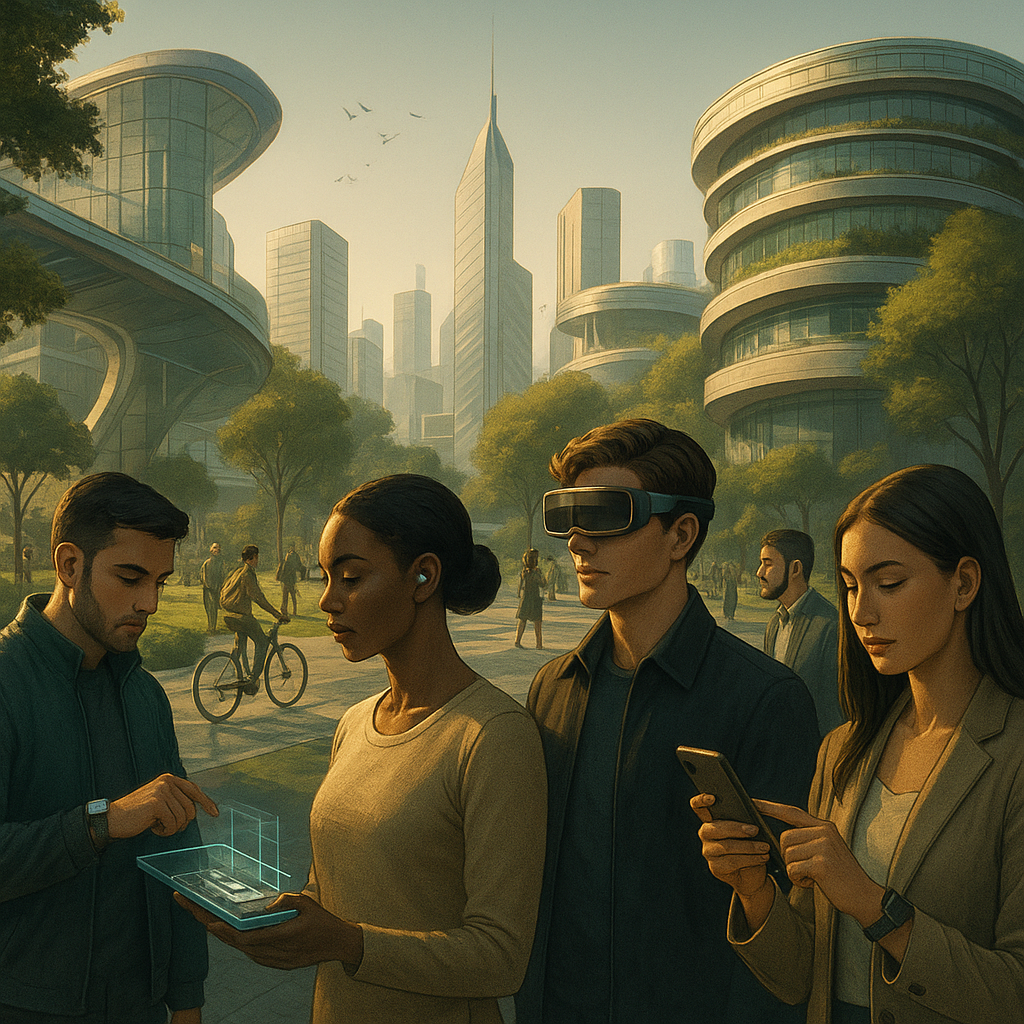
- Growth of virtual reality experiences tailored for mindful social interaction
- Emergence of ‘slow travel’ as a preferred mode over rapid tourism
These developments are intertwined with broader societal trends, including generational value shifts and economic recalibrations, detailed further in How Lifestyle Trends Are Shaping Everyday Realities in 2026.
Voices from the Field: Expert Insights on Lifestyle Evolution
Leading thinkers and industry leaders provide critical perspectives on the implications of these lifestyle shifts. Dr. Rajesh Kumar, a behavioral economist, emphasizes the economic impact: “The pivot toward sustainability and wellness is reshaping consumer markets profoundly, from fashion to real estate. Businesses ignoring these signals risk obsolescence.”
From the wellness sector, Sara O’Neill, founder of Mindful Pathways, notes: “The integration of technology with ancient mindfulness practices is creating unprecedented access to mental health tools, democratizing self-care.”
“Lifestyle trends in 2026 reflect a collective yearning to harmonize human aspirations with planetary boundaries.” — Dr. Rajesh Kumar, Behavioral Economist
“We’re not just changing habits; we’re redefining what it means to live well.” — Sara O’Neill, Wellness Entrepreneur
These viewpoints underscore lifestyle trends as both cultural phenomena and economic forces, influencing product development, urban planning, and policy-making.
Looking Ahead: Navigating the Future of Lifestyle Trends
As 2026 unfolds, several trajectories merit close observation. The deepening merger of AI with personal and communal wellbeing promises tailored experiences but raises questions about privacy and equity. How these technologies are regulated and democratized will shape lifestyle accessibility.
Environmental imperatives will continue to drive lifestyle innovation, from food systems to energy use. The success of circular economies and regenerative practices will likely be a litmus test for the sustainability of popular lifestyle choices.
- Watch for evolving AI ethics in lifestyle tech: transparency, bias mitigation, and user control.
- Growth of hybrid physical-digital communities: fostering connections that transcend geography.
- Expansion of alternative housing models: co-living, micro-housing, and eco-villages.
- Shift toward skills-focused leisure: hobbies and activities that enhance personal growth.
- Increasing focus on intergenerational lifestyle design: accommodating aging populations alongside youth aspirations.
In a world of complex challenges, lifestyle trends in 2026 reflect a dynamic balancing act—between technology and nature, individuality and community, consumption and conservation. As noted in TheOmniBuzz’s comprehensive coverage, embracing these shifts with critical awareness and innovation offers pathways to more fulfilling, resilient lives.
For readers interested in deeper exploration of the social forces driving these lifestyle trends, the articles Why Lifestyle Trends Are Shaping How We Live and Work Today and How Shifting Values Are Redefining Lifestyle Choices in 2026 provide essential context and analysis.