From Smart Homes to Sustainable Choices: A Glimpse into Modern Living
On a crisp autumn morning in Tokyo, 35-year-old Ayumi Kato begins her day not by checking her phone but by interacting with her AI-driven smart home system. The house adjusts the lighting and temperature to her preferences, while a robotic assistant prepares a nutrient-optimized breakfast tailored to her biometric data collected overnight. This scene, emblematic of many urban centers worldwide, encapsulates how lifestyle trends in 2026 have evolved far beyond convenience to become deeply integrated with technology, sustainability, and wellbeing.
Recent data from Statista suggests that over 65% of global households in developed economies now utilize some form of smart home technology, a significant leap from just 25% in 2021. But lifestyle trends go beyond gadgets. They encompass how people prioritize mental health, environmental impact, work-life balance, and community engagement. This transformation reflects broader social changes, economic shifts, and technological advancements that have reshaped how individuals live, work, and connect.
“Lifestyle trends today are no longer just about aesthetics or short-term fads. They are deeply rooted in values around sustainability, health, and technology integration,” notes Dr. Helena Marks, a sociologist specializing in contemporary culture.
Understanding these shifts offers critical insights into consumer behavior, urban planning, and corporate strategy. This article explores the forces driving current lifestyle trends, their impact across demographics, and what to anticipate as we move beyond 2026.
Tracing the Roots: How Past Influences Shaped Today's Lifestyle Trends
The trajectory of lifestyle trends over the last decade reveals a gradual but profound evolution. The 2010s and early 2020s were marked by the rise of social media influence, the initial wave of remote work adoption, and increasing awareness of climate change. By mid-2020s, these threads intertwined with technological breakthroughs such as AI, advanced robotics, and ubiquitous IoT devices, creating a fertile ground for lifestyle redefinition.
The COVID-19 pandemic played a pivotal role in accelerating remote work and digital social interactions, pushing people to rethink the boundaries between personal and professional life. According to Pew Research data from 2024, 58% of workers in the US reported hybrid or fully remote work arrangements, a figure that has stabilized and even grown slightly since. This shift brought about new lifestyle priorities centered on flexibility, home environment quality, and digital wellness.
Simultaneously, environmental concerns moved from niche activism to mainstream urgency. The United Nations’ 2025 report on climate change highlighted lifestyle adaptation as critical for achieving net-zero goals. Consumers increasingly favored brands and products emphasizing circular economy principles, ethical sourcing, and minimal carbon footprints. This shift is visible in urban planning as well, with more cities adopting green infrastructure and promoting active transportation.
“The pandemic was a catalyst but the underlying currents of sustainability and digital integration were already shaping lifestyle choices,” explains urban planner Marcus Feldman, who contributed to the 2025 Global Urban Futures report.
Understanding these antecedents helps contextualize the lifestyle trends dominating 2026. They are the product of intertwined social, technological, and environmental forces that continue to evolve.
Key Lifestyle Trends Defining 2026: Data-Driven Insights
Extensive surveys and market research in 2026 reveal five dominant lifestyle trends reshaping everyday life:
- Hyper-Personalized Wellness: The wellness industry now integrates biometric data, AI coaching, and mental health platforms to offer customized health plans. Wearable device usage exceeds 70% in developed countries, with users engaging in daily health optimization routines.
- Sustainable Consumption: Over 60% of consumers prioritize eco-friendly products, with a surge in zero-waste stores and upcycled fashion. Circular economy participation has risen by 40% since 2023.
- Remote and Hybrid Work Ecosystems: Work models have stabilized around hybrid formats, supported by advanced virtual office environments. Productivity tools employing AI assistants are standard in 80% of corporations.
- Smart Living Environments: Smart home penetration continues to grow, now encompassing AI-powered energy management, security, and health monitoring integrated into daily routines.
- Community-Centered Experiences: Despite digital immersion, there is a resurgence in valuing local communities and in-person experiences, with urban co-living spaces and community gardens expanding globally.
These trends are supported by quantitative data from consumer spending patterns, tech adoption rates, and urban development projects worldwide. For example, the global wellness economy reached $6.3 trillion in 2025, growing at 7% annually, according to the Global Wellness Institute. Sustainable product sales now constitute 30% of total retail revenue in key markets like the EU and North America.
Comparatively, smart home devices have evolved from simple assistants to comprehensive lifestyle orchestrators. Market leader HomeSphere reported a 45% increase in sales of AI-integrated smart home systems in 2026 alone. This reflects not only technological advances but also changing consumer expectations for seamless, health-conscious living.
2026 Updates: New Dimensions in Lifestyle Trends and Their Cultural Impact
This year, lifestyle trends have been influenced heavily by geopolitical shifts and technological breakthroughs. The rise of 6G connectivity has enabled ultra-low latency communication, making remote work and virtual social interactions more immersive than ever. Virtual reality (VR) and mixed reality (MR) platforms have matured, supporting hybrid events, remote fitness classes, and virtual tourism, broadening lifestyle possibilities.
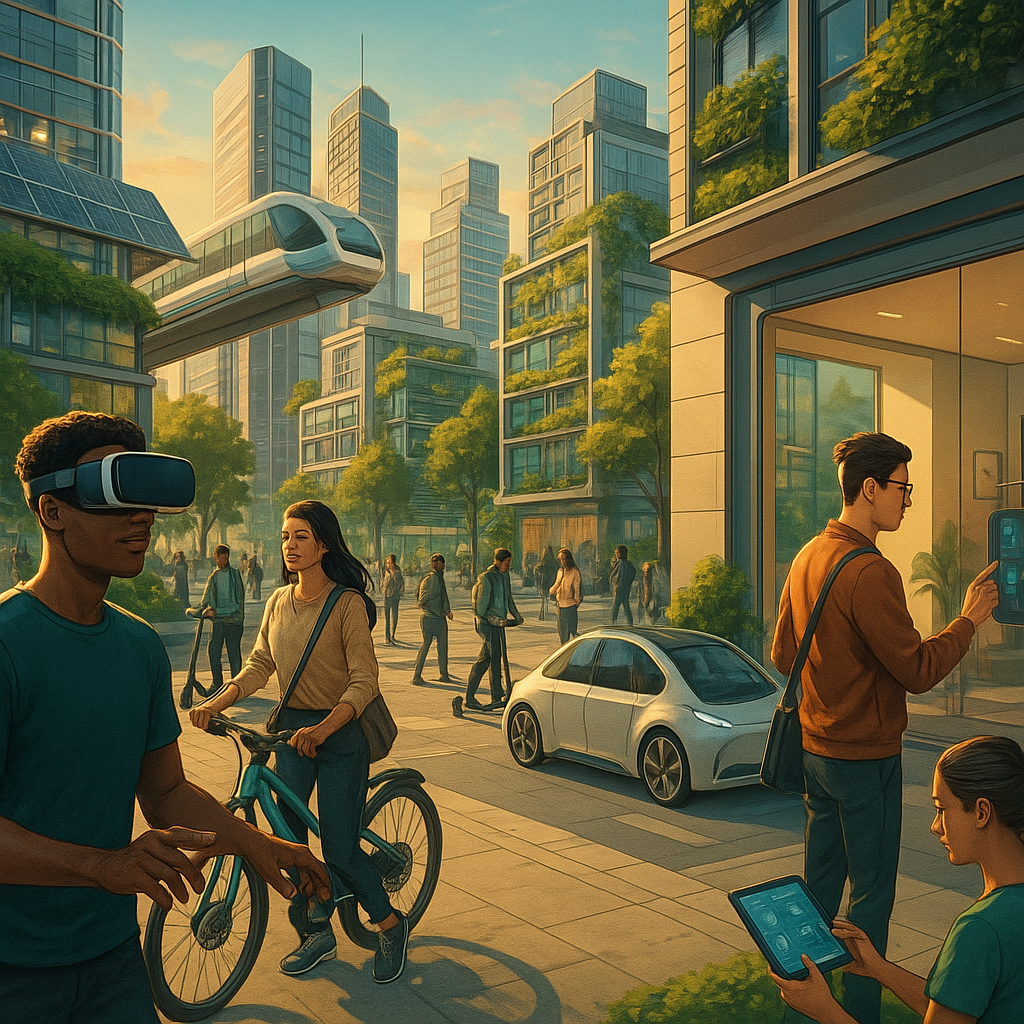
Meanwhile, sustainability has moved into the realm of regenerative living, where individuals and communities actively restore ecosystems rather than merely reducing harm. Urban farms, rooftop gardens, and biophilic design have become standard features in new developments. Cities like Copenhagen and Singapore showcase large-scale implementation of these concepts, blending nature and urbanity.
Another critical development is the shift toward longevity and preventive health. Advances in genomics and personalized medicine now inform daily lifestyle decisions, from diet to sleep patterns. This has created a new subculture around biohacking and longevity optimization, with startups and wellness centers offering bespoke longevity plans.
“The integration of advanced technology with sustainability and health is creating a layered lifestyle experience that is both futuristic and deeply grounded in human well-being,” says Dr. Anil Gupta, director of the International Institute for Lifestyle Innovation.
These recent advances push lifestyle trends beyond mere consumer habits into holistic systems of living that emphasize quality, connection, and responsibility.
Voices from the Field: Expert Perspectives on Lifestyle Evolution
Industry leaders and cultural analysts provide valuable insight into how these trends shape society. Rachel Thompson, CEO of EcoSphere, a sustainable lifestyle brand, emphasizes that consumer awareness is now matched by demand for transparency and authenticity in products and services. “People want to connect with brands that reflect their values, not just sell them items,” she explains.
Meanwhile, technology experts highlight the ethical challenges posed by increasing data collection in personalized wellness and smart living. Privacy concerns and data security remain paramount, necessitating robust regulatory frameworks. The World Digital Rights Forum’s 2026 report stresses the importance of balancing innovation with individual rights.
From a sociocultural angle, anthropologist Dr. Luis Moreno points out that despite global digital connectivity, people increasingly seek rootedness in local culture and community. This paradox fuels the growth of community gardens, local artisan markets, and neighborhood co-working hubs.
“The future of lifestyle is hybrid — blending cutting-edge technology with age-old human needs for connection and meaning,” Dr. Moreno observes.
These perspectives underscore the complexity of lifestyle trends as multifaceted phenomena impacting markets, governance, and daily human experience.
Looking Ahead: What to Watch and How to Adapt
As 2026 progresses, several emerging factors will influence lifestyle trajectories. First, the maturation of AI-driven life management tools promises unprecedented personalization but requires vigilance regarding ethical use. Second, climate change adaptation will push further innovation in urban design and consumer behavior.
Individuals and businesses alike should consider the following actionable takeaways:
- Adopt flexible work and living arrangements: Hybrid models offer resilience and enhanced well-being.
- Prioritize sustainable consumption: Supporting circular economy initiatives aligns with global environmental goals.
- Embrace technology thoughtfully: Use smart devices and AI tools to enhance, not replace, human connection.
- Engage with local communities: Building social capital improves quality of life and fosters shared responsibility.
Additionally, staying informed about regulatory changes in data privacy and environmental standards will be crucial for navigating the evolving landscape. Companies integrating these lifestyle trends strategically will gain competitive advantages, while individuals equipped with awareness can craft more fulfilling lives.
For readers interested in deeper analysis of the subtle forces steering these changes, our article Rethinking Daily Life: The Subtle Forces Steering 2026’s Lifestyle Trends offers an in-depth exploration. Similarly, How Emerging Lifestyle Trends Are Redefining Everyday Living provides case studies and real-world examples illustrating these concepts in action.