Opening Scene: A Day in the Life of 2026’s Trendsetter
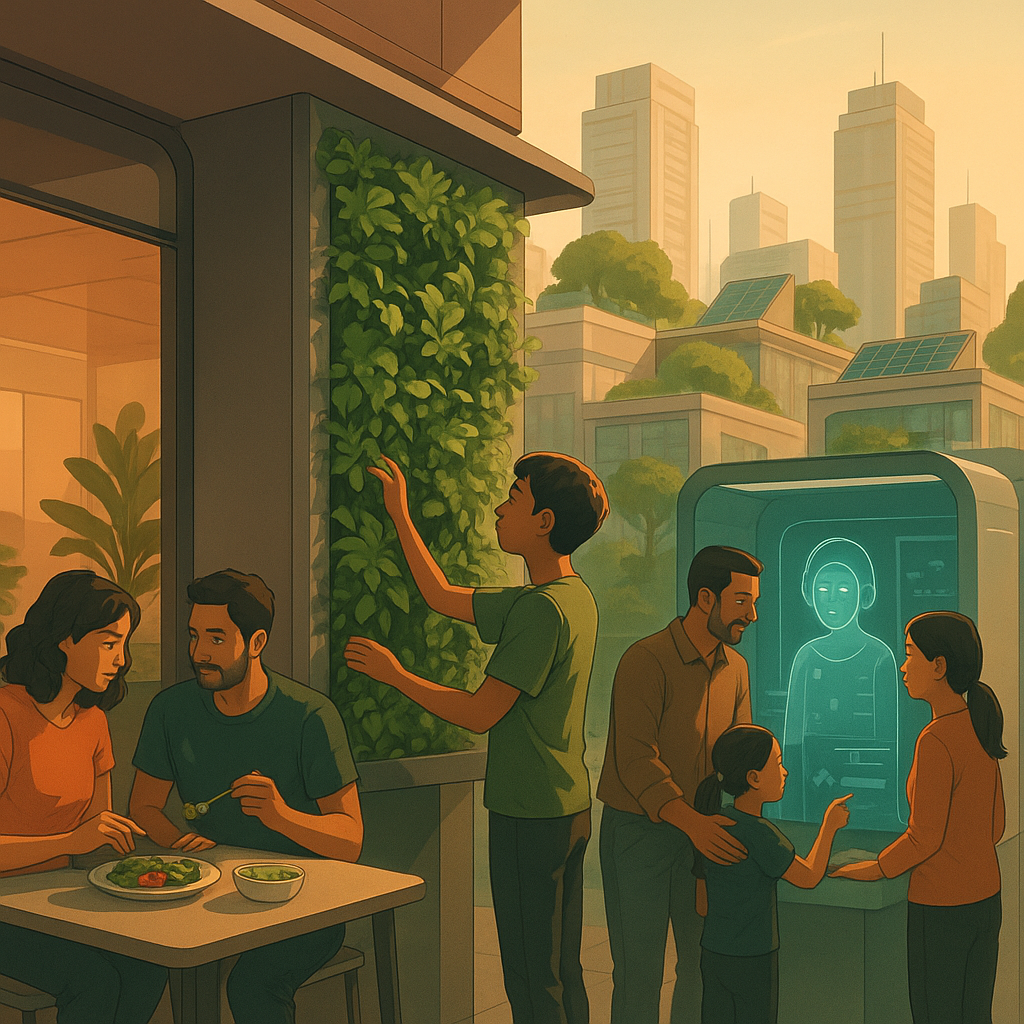
Imagine a typical morning in 2026. Mia, a 32-year-old urban professional, wakes up in her biophilic apartment, where greenery blends seamlessly with cutting-edge smart technology designed to optimize wellbeing. She scrolls through her wellness app, which integrates biometric data with AI-driven lifestyle coaching. Her breakfast is plant-based, sourced locally through a subscription service that supports sustainable farming. Before heading to her remote co-working space, she pauses to meditate using a holographic guide, framing her mindset for the day ahead. This snapshot captures the essence of the most impactful lifestyle trends shaping human behavior and societal norms in 2026.
This year marks a pivotal moment, where lifestyle choices reflect deeper value shifts toward sustainability, technology integration, mental health prioritization, and community-driven living. Such trends are not isolated but intertwined, influencing everything from urban development to consumer habits.
“The lifestyle of 2026 is less about consumption and more about conscious living — balancing technology and nature to foster wellbeing,” notes Dr. Elena Garcia, a sociologist specializing in contemporary culture.
Tracing the Roots: How Did We Arrive Here?
To understand 2026’s lifestyle trends, we must contextualize them within the last decade’s social, economic, and technological developments. The early 2020s experienced a global reckoning with climate change, amplified by extreme weather events and resource scarcity. Simultaneously, the COVID-19 pandemic accelerated remote work adoption and exposed systemic mental health deficiencies. These twin pressures recalibrated priorities, emphasizing resilience, flexibility, and health.
Technology matured from mere convenience to essential infrastructure for daily living. AI and IoT devices became ubiquitous, enabling personalized experiences from fitness tracking to home energy optimization. The rise of the circular economy model challenged traditional consumerism by promoting reuse and repair over disposal.
Meanwhile, demographic shifts, including increased urbanization and an aging population, influenced housing, transportation, and social interaction patterns. Millennials and Gen Z, now the largest workforce segments, demanded authenticity, purpose, and ethical consumption, forcing brands and policymakers to adapt.
A 2025 study by the Global Lifestyle Observatory highlighted these transitions, revealing a 40% increase in consumer spending on wellness and sustainability compared to 2020 levels.
“The past decade was a crucible for a new social contract where lifestyle is a reflection of collective responsibility and personal empowerment,” says cultural analyst Raj Patel.
Core Lifestyle Trends Transforming 2026
Several interrelated lifestyle trends have crystallized in 2026, reshaping how people live, work, and relate. Below is a detailed analysis of the most significant forces:
- Holistic Wellness Integration: Wellness has evolved beyond physical health to encompass mental, emotional, and social wellbeing. Biofeedback wearables, AI mental health assistants, and community wellness hubs are mainstream. Meditation and micro-dosing therapies have gained acceptance, supported by new regulatory frameworks.
- Sustainable and Ethical Consumption: Conscious consumerism dominates, with 68% of global consumers prioritizing sustainability credentials in purchases (Global Lifestyle Observatory 2025). The rise of regenerative agriculture, zero-waste packaging, and transparent supply chains has redefined product value.
- Hybrid Living and Working Spaces: The traditional home-office divide is blurred. Multi-functional living areas equipped with adaptive technology cater to work, leisure, and social activities. Urban planners integrate green corridors and shared community spaces to promote wellbeing and social cohesion.
- Digital-Nature Synergy: Technology is leveraged to reconnect people with nature through augmented reality (AR) outdoor experiences, smart gardens, and eco-monitoring apps. Biophilic design principles guide architecture, blending natural elements with digital innovation.
- Community-Centric Lifestyles: There is a resurgence of intentional communities and cooperative living models emphasizing shared resources, collective decision-making, and social support networks. These models address isolation and foster inclusivity.
These trends are supported by compelling data:
- By 2026, global wellness market revenues exceed $6 trillion, with mental health services accounting for 25% of growth.
- Eco-conscious brands capture 45% of market share in apparel and consumer goods sectors.
- Remote work participation stabilized at 38%, but with increased hybrid flexibility options.
- Urban green space per capita rose 15% in major metropolitan areas, driven by policy and citizen advocacy.
2026 Developments: What’s New and Emerging?
In the current year, several noteworthy developments push these lifestyle trends further. Advances in AI personalization now enable dynamic lifestyle optimization, adapting routines in real time based on environmental and physiological data. For example, smart home ecosystems automatically adjust lighting, air quality, and noise levels to support circadian rhythms.
Regulatory progress in many regions has legalized therapeutic micro-dosing and expanded mental health parity laws, making holistic therapies more accessible. Novel plant-based food innovations continue to expand beyond meat substitutes, including cellular agriculture products that mimic dairy and seafood flavors without environmental costs.
Urban planners increasingly incorporate “15-minute city” principles, allowing residents to access work, shops, leisure, and healthcare within a short walk or bike ride. This reduces reliance on cars and enhances quality of life.
Social platforms have evolved to foster deeper community engagement. Platforms now prioritize meaningful interactions over passive consumption, leveraging AI to connect users with local initiatives and interest groups.
On the fashion front, circular wardrobes and rentable clothing services are mainstream, supported by blockchain-based provenance verification ensuring authenticity and sustainability.
These shifts intersect with insights from our featured TheOmniBuzz article How Lifestyle Trends Are Shaping Everyday Realities in 2026, which highlights the normalization of lifestyle ecosystems that integrate technology, sustainability, and wellbeing.
Industry Voices and Expert Insights
Experts across sectors emphasize the transformative impact of these lifestyle trends on industries and society.
“The convergence of personal wellbeing and planetary health is driving innovation across sectors — from real estate to retail,” states Dr. Leila Ahmad, Director of the Global Wellness Institute.
Technology companies report a surge in demand for AI-driven personal health solutions, prompting a wave of startups focused on mental health, nutrition, and fitness personalization. The retail sector faces increasing pressure to adopt circular business models fully, as consumers expect transparency and sustainability.
Urban development professionals note a paradigm shift in city design, prioritizing green infrastructure, mixed-use spaces, and social equity. This is reflected in new zoning laws and public-private partnerships promoting affordable, sustainable housing.
Healthcare providers integrate lifestyle medicine principles, recognizing that prevention and holistic care reduce costs and improve outcomes.
From the cultural perspective, creative industries embrace lifestyle themes that resonate with audiences’ values, influencing media, fashion, and entertainment — a trend also explored in our recent piece Why Lifestyle Trends Are Shaping How We Live and Work Today.
Future Outlook: What to Watch and How to Adapt
Looking ahead, lifestyle trends in 2026 signal enduring shifts that will continue to evolve. Key areas to monitor include:
- Technological Integration with Ethics: As AI and digital tools become more embedded in daily life, ethical considerations around privacy, data sovereignty, and algorithmic bias will intensify.
- Expansion of Regenerative Living Models: Beyond sustainability, regenerative approaches aim to restore ecosystems and communities, influencing architecture, agriculture, and urban design.
- Personalization at Scale: Advances in genomics and AI will enable ultra-personalized nutrition, fitness, and mental health solutions, but equitable access remains a challenge.
- New Social Contracts: Cooperative and community-based living models may redefine property ownership, governance, and social welfare frameworks.
- Cross-sector Collaborations: Partnerships between governments, businesses, and civil society will be critical to scaling lifestyle innovations and addressing systemic challenges.
Individuals and organizations should consider these trends when making decisions related to housing, work arrangements, health strategies, and consumer behavior. Embracing flexibility, sustainability, and community engagement will be essential for thriving in this dynamic environment.
Understanding these complex dynamics provides a framework for anticipating the next wave of lifestyle evolution. Readers interested in the intersection of lifestyle and economic factors may also consult Personal Finance in 2026: Strategies, Trends, and Future Outlook for complementary insights.
Case Study: The Rise of Eco-Conscious Co-Living in Copenhagen
Copenhagen has emerged as a global leader in sustainable urban living, exemplified by the success of the "Green Haven" co-living community established in 2024. This project integrates renewable energy, shared amenities, urban farming, and digital platforms for resident coordination.
Residents report improved wellbeing, lower living costs, and a strengthened sense of belonging. The community's governance model emphasizes participatory decision-making and transparency, serving as a blueprint adopted by cities worldwide.
Data collected over two years show a 30% reduction in individual carbon footprints among residents and a 25% increase in reported life satisfaction. The initiative attracted international attention, inspiring policy changes promoting cooperative housing.
This case highlights how lifestyle trends manifest tangibly, blending technology, sustainability, and social innovation into everyday life.
- Key features of Green Haven:
- Solar and wind-powered energy systems
- Smart waste management and recycling
- Community workshops on wellness and sustainability
- Integrated digital app for resource sharing
As societies seek resilient models for future living, examples like Green Haven demonstrate the viability and appeal of alternative lifestyle paradigms aligned with 2026 trends.