Setting the Scene: The Pulse of Modern Living
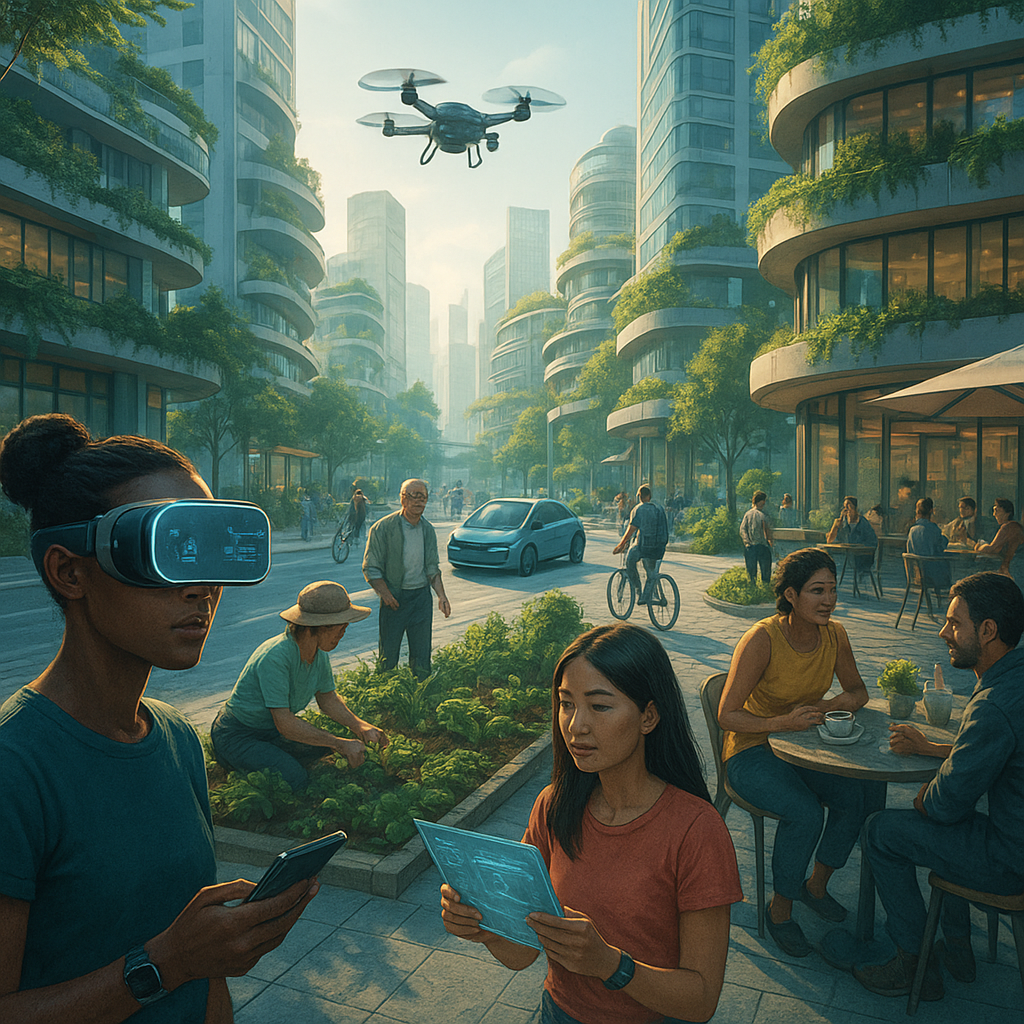
Imagine walking through a city park in early 2026. Around you, people of all ages engage with their environments in ways that reflect profound shifts in lifestyle preferences and values. Some are practicing mindfulness under the shade of smart trees equipped with environmental sensors; others sip plant-based beverages from reusable containers. Electric scooters weave quietly between pedestrians, while digital nomads work remotely from their mobile offices in nearby cafés. This vibrant tableau is more than a casual observation — it encapsulates the dynamic lifestyle trends reshaping society’s fabric.
According to recent reports from Pew Research Center and Statista, lifestyle trends in 2026 emphasize sustainability, technology integration, wellness, and social connectivity. These currents intertwine with economic realities and cultural shifts, creating complex patterns that influence everything from consumer habits to urban planning. This article provides a comprehensive guide to understanding these lifestyle trends, their origins, and their implications for the near future.
“Lifestyle choices today are less about mere preference and more about intentional alignment with broader social and environmental values.” – Dr. Helena Morris, Sociologist
Background and Context: From Early 2020s Shifts to Today's Lived Experience
The early 2020s marked a period of disruption and reevaluation. The COVID-19 pandemic accelerated remote work adoption, reshaped social interactions, and heightened awareness of health and environmental issues. These catalysts sowed seeds for many of the lifestyle trends now mainstream in 2026.
Rapid advances in technology, particularly in artificial intelligence, augmented reality, and smart devices, have deeply influenced daily routines and consumer expectations. Meanwhile, climate change urgency has driven a surge in eco-conscious living, reflected in widespread adoption of sustainable products and practices.
Economic factors such as inflationary pressures and shifts in labor markets have also played a role. With many individuals seeking financial resilience, minimalism and frugality gained traction alongside wellness and self-care movements. The convergence of these trends reflects a societal pivot toward more balanced, mindful living.
Historically, lifestyle trends evolve over decades, but the velocity of change since the 2020s is unprecedented. The intersection of global crises, technological leaps, and generational values has created a unique milieu shaping how people work, play, and relate.
Core Analysis: The Pillars of 2026 Lifestyle Trends
Analyzing data from sources such as the Global Wellness Institute and NielsenIQ, we identify five foundational pillars driving 2026 lifestyle trends:
- Sustainability and Eco-Consciousness: Over 68% of consumers globally prioritize sustainable brands, with a 40% increase in zero-waste lifestyle adoption since 2023.
- Technology Integration: Smart home devices ownership has surged to nearly 80% in developed markets, while wearable health tech penetration exceeds 55% globally.
- Wellness and Mental Health: The global wellness economy surpassed $6 trillion, with mental health apps growing 120% year-over-year.
- Remote and Hybrid Work Models: 57% of the workforce engage in remote or hybrid work arrangements, influencing urban living patterns and daily routines.
- Social Connectivity and Community Building: New forms of digital and local community engagement reflect a desire for meaningful connection beyond traditional social media.
Each pillar interconnects, reinforcing lifestyle choices that prioritize health, environmental responsibility, and flexible, technology-enhanced living.
“The modern lifestyle is a mosaic of innovation, ethics, and well-being, demanding new frameworks for understanding human behavior.” – Marcus Leung, Trend Analyst
For example, sustainability intersects with technology as consumers opt for smart appliances that reduce energy use. Wellness trends merge with social connectivity through online support groups and fitness communities. Understanding these synergies is key to grasping the 2026 lifestyle landscape.
Current Developments in 2026: Innovations and Shifts Defining Today
Several noteworthy developments in 2026 highlight how lifestyle trends have evolved in recent months:
- Biophilic Urbanism: Cities like Copenhagen and Singapore expand green infrastructure, integrating nature into daily urban life to improve mental well-being and reduce heat islands.
- AI-Powered Personalization: Lifestyle apps now deliver hyper-personalized recommendations for nutrition, fitness, and mental health, adapting dynamically to user data.
- Work-Life Integration: Beyond remote work, organizations adopt flexible schedules and micro-retreats to foster holistic employee wellness.
- Regenerative Consumption: Consumers increasingly support products and services that restore environmental health, such as regenerative agriculture foods and circular fashion.
- Digital Detox and Slow Tech Movements: A counter-movement emerges, encouraging intentional disconnection and analog experiences to combat digital fatigue.
These developments reflect a maturing of lifestyle trends from experimentation to established practices influencing policy and market strategies.
In the realm of personal finance, closely tied to lifestyle choices, evolving consumer behaviors emphasize budgeting for wellness and sustainability. Our Personal Finance in 2026 feature explores how these financial strategies complement lifestyle trends, highlighting the interconnected nature of modern living.
Expert Perspectives and Industry Impact
Industry leaders and experts underscore how lifestyle trends are reshaping markets and societal norms. According to Sofia Ramirez, CEO of GreenNest, a sustainable lifestyle brand, "Consumers no longer accept superficial eco-claims. Authenticity and transparency are non-negotiable, forcing brands to innovate and commit deeply to sustainability."
Urban planners report that lifestyle shifts toward remote work and wellness catalyze new housing and community designs prioritizing green spaces, coworking hubs, and wellness amenities. This trend aligns strongly with findings in Real Estate in 2026, which details how demand for mixed-use developments and wellness-centric properties has surged.
Technology companies are also adapting rapidly. Wearable tech firms now integrate mental health diagnostics alongside physical fitness tracking, reflecting consumer demand for holistic wellness. Meanwhile, the rise of slow tech has prompted software developers to reconsider user experience design, balancing engagement with mindfulness, as also discussed in our Software Development in 2026 analysis.
What to Watch: Future Outlook and Actionable Takeaways
Looking ahead, several trajectories will likely define lifestyle trends beyond 2026:
- Deepening Sustainability Integration: Expect more sophisticated consumer metrics and regulatory frameworks to guide sustainable living, making eco-friendliness a baseline expectation.
- Neurotechnology and Wellness: Advances in brain-computer interfaces may revolutionize mental health self-care and cognitive enhancement.
- Decentralized Communities: Blockchain and decentralized networks may foster new models of social connectivity and resource sharing.
- Hybrid Physical-Digital Experiences: Metaverse technologies will blend with real-world environments, creating immersive lifestyle experiences.
- Resilience and Adaptability: Individuals and organizations will prioritize flexibility to navigate ongoing global uncertainties.
For consumers seeking to stay ahead, key strategies include:
- Prioritizing brands and products with verified sustainability credentials.
- Leveraging technology judiciously to enhance well-being without contributing to digital overload.
- Engaging in community initiatives that foster meaningful connections and shared purpose.
- Adopting financial habits that support long-term health and environmental goals.
Ultimately, lifestyle trends are not merely superficial fashions but reflect deeper societal transformations. Staying informed and adaptable is essential.
“The future of lifestyle is about harmonizing human needs with planetary boundaries and technological possibilities.” – Dr. Maya Patel, Environmental Psychologist
Case Studies: Lifestyle Trend Manifestations in Real Life
Several real-world examples illustrate how lifestyle trends manifest tangibly:
- Eco-Villages in Scandinavia: Communities like Denmark’s Sustainable Living Collective showcase circular economies, shared resources, and integrated smart technology to minimize environmental impact while fostering social bonds.
- Corporate Wellness Programs: Tech giant NebulaCorp’s 2026 initiative includes AI-driven personalized health plans, onsite green spaces, and flexible schedules, resulting in 25% productivity improvement and 40% reduced turnover.
- Slow Tech Retreats: The Serenity Hub in British Columbia offers digital detox programs combined with nature immersion, attracting thousands annually seeking respite from hyperconnectivity.
- Regenerative Fashion Brands: Labels like Verdant Threads utilize regenerative cotton and blockchain traceability to provide transparency and environmental benefits, gaining consumer loyalty and market share.
These cases exemplify how lifestyle trends translate into actionable, scalable models influencing industries and communities.
In conclusion, the comprehensive guide to lifestyle trends reveals a multi-dimensional transformation of how individuals and societies choose to live in 2026. From sustainability and technology to wellness and social cohesion, these trends interweave to create new paradigms of daily living. For deeper insights on related economic and technological shifts, readers can explore our detailed coverage on Personal Finance and Software Development in 2026.