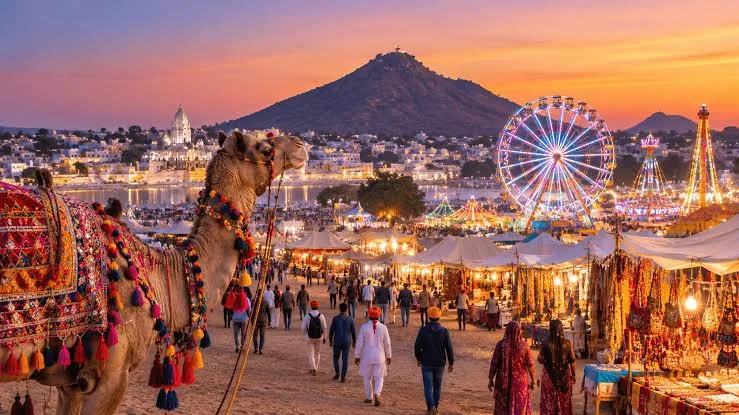
Every November, the quiet temple town of Pushkar transforms into one of India's most vibrant cultural gatherings during the annual Pushkar Camel Fair. Set against the golden sands of the Thar Desert and the serene waters of Pushkar Lake, this week-long celebration around the lunar month of Kartik brings together thousands of camel herders, pilgrims, folk musicians, and travelers from across the globe. Whether you are visiting for photography, spiritual rituals, or desert adventure, knowing how to navigate the fairgrounds and surrounding heritage landmarks makes all the difference. At Rajasthan Yatra, our local travel specialists have spent years guiding guests through the bustling dunes and sacred ghats of Ajmer district, ensuring every journey blends authentic cultural immersion with seamless logistics.
Exploring the Camel Fairgrounds and Desert Tours
The heart of the festival lies on the western edge of town at the Mela Ground, where livestock trading and desert safaris create an unforgettable sensory experience. Arriving around 6:30 AM allows you to witness the mist rising over the dunes as herders prepare their decorated camels over cups of masala chai.
- Sunset and Sunrise Camel Safaris: Taking a 60 to 90-minute camel ride across the undulating sand dunes outside Pushkar offers panoramic views of the tented encampments and the Aravalli hills. Morning rides capture the quiet beauty of rural Rajasthan waking up, while sunset tours bathe the desert landscape in warm amber light.
- Camel Decoration and Folk Competitions: During the middle days of the festival, the main stadium hosts lively competitions including the best-dressed camel pageant, camel races, traditional turban-tying contests, and matka phod. Herders spend weeks crafting intricate mirror-work blankets, silver anklets, and colorful tassels to showcase their prize animals.
- Hot-Air Balloon Flights: Weather permitting, dawn hot-air balloon rides lift passengers high above the fairgrounds, providing a bird's-eye perspective of thousands of camels, colorful tents, and the sacred lake below.
Essential Sightseeing Around Pushkar
Beyond the energetic livestock markets, Pushkar holds immense spiritual and architectural significance that rewards unhurried exploration. Stepping away from the dusty dunes into the narrow, whitewashed lanes of the town reveals centuries-old traditions.
- Pushkar Lake and the 52 Ghats: Surrounded by fifty-two bathing ghats, this sacred water body is the spiritual center of town. Visiting at dusk for the evening Maha Aarti—when hundreds of flickering oil lamps float across the water accompanied by rhythmic chanting—offers a deeply peaceful contrast to the daytime festivities.
- Jagatpita Brahma Mandir: Located a short walk from the lake, this 14th-century temple with its distinctive red spire is one of the very few temples in the world dedicated to Lord Brahma. Visitors should remove their footwear before entering and respect local guidelines regarding photography inside the sanctum.
- Savitri Mata Temple Ropeway: Perched atop Ratnagiri Hill behind the Brahma Temple, Savitri Temple is easily accessible via a scenic cable car ride. Reaching the summit in the late afternoon rewards travelers with sweeping 360-degree views of Pushkar town, the desert dunes, and the surrounding mountain ridges.
- Pushkar Bazaars: The main market street winding around the lake is ideal for browsing handcrafted silver jewelry, embroidered textiles, leather juttis, and locally distilled rose water products.
Practical Tips from Local Travel Experts
Navigating Pushkar during peak festival days requires thoughtful preparation, as accommodations fill months in advance and vehicle restrictions apply near the town center. Working with an experienced tour operator in Rajasthan helps travelers secure prime desert tent stays and private transfers from Jaipur or Ajmer without logistical stress.
- Respect Sacred Etiquette: Pushkar is a strictly vegetarian and alcohol-free pilgrimage town. Dress modestly by covering shoulders and knees when visiting temples and ghats, and always ask permission before taking close-up portraits of local herders or pilgrims.
- Manage Ghat Interactions: If local priests offer flowers for a lakeside blessing, clarify any expected donation beforehand or decline politely to avoid misunderstandings.
- Carry Small Currency: While larger resorts accept digital payments, small denominations of Indian rupees are essential for street snacks like hot malpua, kachoris, camel cart rides, and bazaar purchases.
Planning Your Pushkar Fair Itinerary
Most travelers find that spending two to three nights in Pushkar strikes the right balance between experiencing early-morning camel trading, afternoon cultural contests, and tranquil lakeside rituals. Because Pushkar sits just 145 kilometers southwest of Jaipur and within easy driving distance of Jodhpur and Udaipur, it fits seamlessly into a broader regional circuit. Travelers seeking private heritage stays, curated desert glamping, and chauffeur-driven comfort often explore luxury Rajasthan tour packages that pair Pushkar's rustic charm with royal palace hotels. Alternatively, if you want to combine the fair with iconic forts, desert dunes, and lakeside cities in a single well-paced itinerary, a majestic Rajasthan getaway tour connects Pushkar effortlessly with the cultural highlights of northern India. With knowledgeable local guides, transparent pricing, and carefully timed daily schedules, Rajasthan Yatra ensures your Pushkar Fair journey remains authentic, comfortable, and truly memorable.