Shifting Grounds: A New Chapter in America’s Housing Story
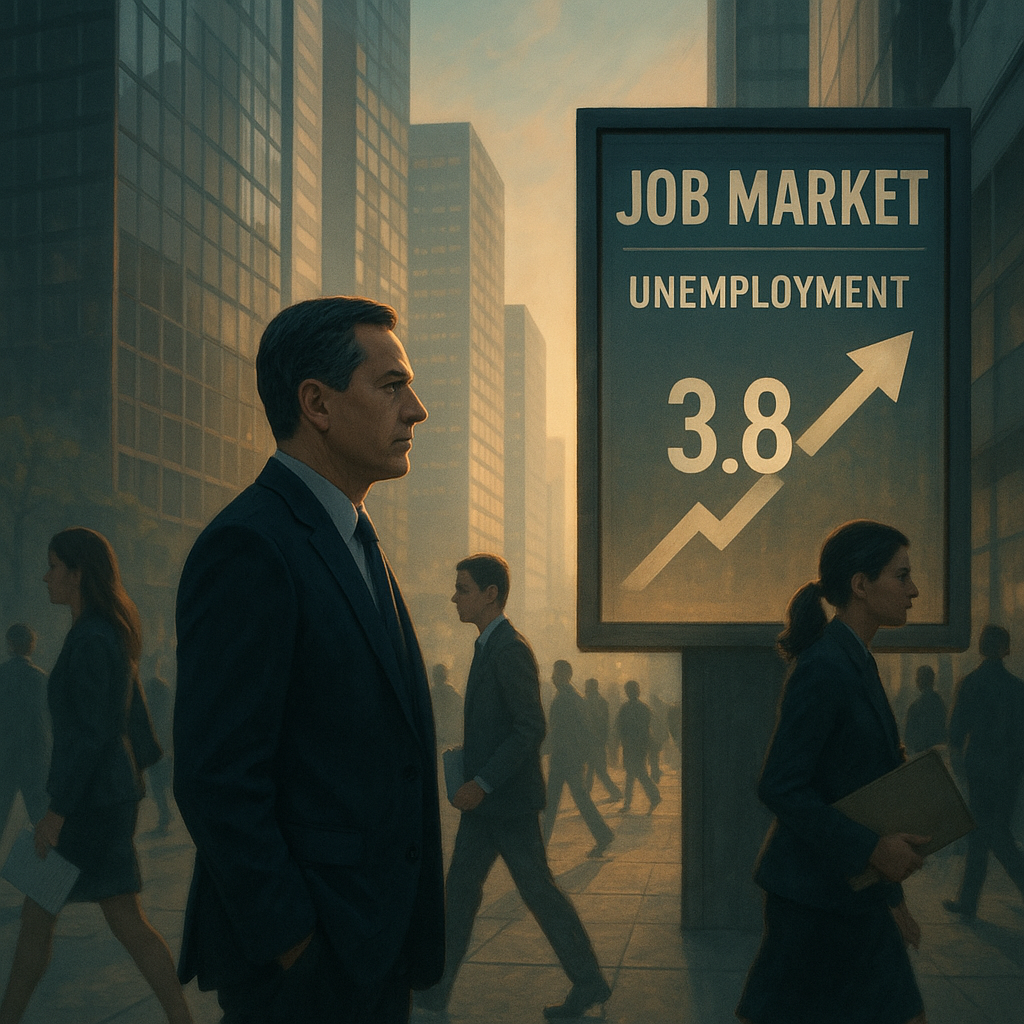
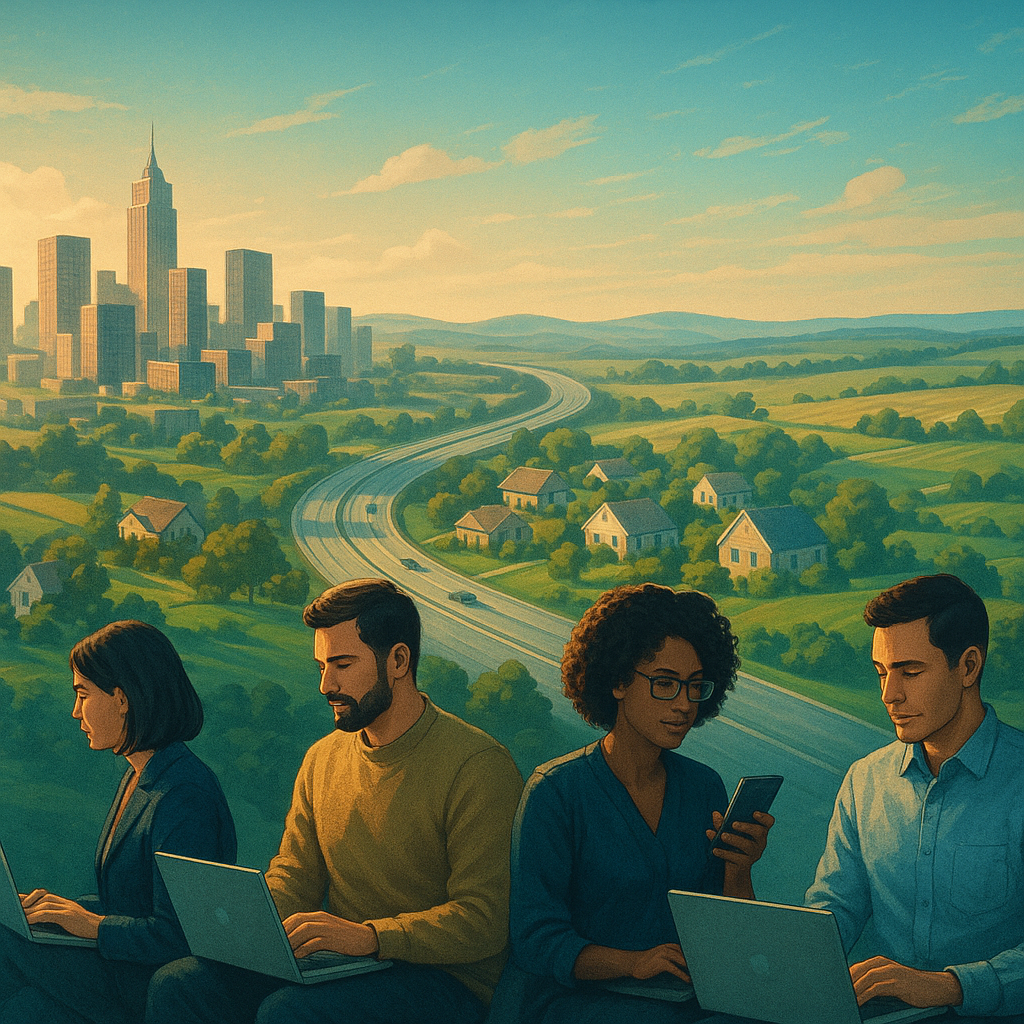
In the spring of 2026, the American housing market presents a geographic map distinctly different from even a half-decade ago. Once tightly bound to urban centers and traditional job hubs, residential preferences have undergone a seismic shift driven by remote work adoption. For example, Boise, Idaho, which saw a 35% population growth since 2022, exemplifies the new hotspots emerging far from traditional coastal cities. As millions of workers embrace the flexibility of telecommuting, entire neighborhoods, towns, and regions are morphing, reshaping economic and social fabrics.
This transformation is not merely anecdotal but is supported by concrete migration data collected by the U.S. Census Bureau and real estate analytics firms. The migration flows favor smaller metros, suburban fringes, and even rural counties, where affordability and quality of life now outweigh proximity to office towers. This trend is profound enough to warrant reconsideration of housing policies, infrastructure investments, and urban planning strategies nationwide.
"Remote work isn’t just a lifestyle choice anymore; it’s a catalyst fundamentally rewriting where and how Americans live," says Dr. Melissa Grant, urban economist at the Brookings Institution.
Understanding this phenomenon requires dissecting the forces at play, the winners and losers in this redistribution, and the long-term implications for careers, communities, and markets. This article explores these dynamics through data-driven analysis, expert insights, and illustrative case studies.
Contextualizing the Remote-Work Migration Surge
Remote work’s rise did not begin overnight. The COVID-19 pandemic accelerated a pre-existing technological and cultural trend that made telecommuting viable on a large scale. In 2020, a mere 7% of U.S. workers worked fully remotely; by 2024, that number hovered around 28%, according to the Pew Research Center. This widespread adoption dismantled the traditional requirement of geographic proximity to workplaces, freeing individuals to reconsider their residential choices.
Early adopters initially moved to suburban or exurban areas, but as remote work became normalized and permanent policies emerged, migration extended further into medium-sized metro areas and amenity-rich smaller cities. This migration was also motivated by skyrocketing urban housing costs. In cities like San Francisco, New York, and Boston, median home prices increased by over 40% from 2020 to 2025, pricing many workers out of ownership or forcing long commutes.
Additionally, remote work has altered employer strategies. Many firms have embraced hybrid or fully remote models, reducing demand for downtown office space and loosening the geographic constraints on talent recruitment. Companies like Twitter, Shopify, and Salesforce have institutionalized remote-first policies, signaling a permanent shift.
“The ability to hire from anywhere has expanded talent pools but also intensified competition for affordable, quality housing in new regions,” explains Sarah Kim, CEO of a national relocation consultancy.
These developments set the stage for a real estate market and labor mobility transformation unprecedented in modern U.S. history.
Data-Driven Analysis: Winners, Losers, and Emerging Patterns
Analyzing migration data from 2022 to 2026 reveals clear patterns of population redistribution. According to the U.S. Census Bureau and real estate data aggregator CoreLogic, approximately 12 million Americans moved between metropolitan areas during this period, with a significant share driven by remote-work flexibility.
Key findings include:
- Sun Belt metros: Cities like Phoenix, Austin, and Tampa have experienced annual population growth rates between 2.5% and 3.5%, fueled largely by inbound remote workers seeking affordability and climate.
- Smaller metros and exurbs: Places such as Greenville, South Carolina, and Boise, Idaho, witnessed explosive growth, with home price appreciation between 20% and 30% since 2023.
- Traditional coastal hubs: San Francisco and New York saw net population declines averaging 5% over the past three years, reversing decades-long growth trends.
- Rural counties: Though still representing a small share, some rural areas adjacent to metro regions have gained residents due to remote work enabling lifestyle shifts.
These shifts have profound economic ramifications. Housing supply-demand imbalances in emerging areas are leading to rapid price escalations, challenging affordability. Conversely, declining demand in traditional urban centers threatens property values and municipal tax bases.
Employment data shows remote workers disproportionately hail from knowledge-based industries—technology, finance, and professional services—allowing them to decouple residence from office location. This decoupling is a major driver behind the migration patterns.
Comparing this year’s data to earlier reports such as How Remote-Work Migration Is Redefining America's Housing Geography reveals the accelerating pace and deepening impact of this phenomenon.
2026 Developments: Policy Responses and Market Adjustments
As remote-work migration reshapes housing markets, policymakers and industry stakeholders are responding to both opportunities and challenges. In 2026, several states and cities have implemented measures to manage growth and mitigate negative effects.
For instance, Texas has boosted infrastructure funding in Austin and Dallas suburbs to accommodate surging populations, while Florida has introduced incentives to stimulate affordable housing development in Tampa and Orlando. Conversely, cities facing population declines, like San Francisco, are exploring tax reforms to stabilize budgets and incentivize business retention.
Real estate markets are also adapting. Builders are shifting focus from high-density urban projects to suburban and exurban developments with remote-worker-friendly amenities such as dedicated home offices and enhanced broadband infrastructure. Mortgage lenders have introduced tailored loan products catering to buyers in these emerging regions.
Remote work’s evolution continues to influence corporate real estate decisions. Many firms are reducing or repurposing office footprints, reinvesting savings into employee home office stipends and localized coworking spaces. This dynamic is creating hybrid ecosystems that blend centralized hubs with decentralized living.
"The real estate market’s response in 2026 reflects a balancing act between accommodating demand and preserving community character," notes James Ellsworth, a housing policy analyst.
These ongoing adjustments underscore the interconnectedness of labor trends, housing markets, and public policy.
Voices from the Field: Expert Perspectives and Industry Impact
Industry leaders and urban planners weigh in on the remote-work migration’s broader implications. Jennifer Liao, Director of Urban Innovation at the National Association of Realtors, highlights that this migration is forcing a redefinition of what constitutes a desirable neighborhood. "Access to green spaces, reliable internet, and vibrant local economies are now as critical as proximity to corporate offices," she observes.
Employers are also recalibrating talent strategies. Remote work enables recruitment beyond traditional talent pools but requires understanding the varying housing costs and quality-of-life factors across regions. According to a recent survey by Gallup, 68% of employers now consider geographic flexibility a key factor in talent retention.
The construction industry faces new pressures. Rapid growth in non-traditional areas strains local infrastructure and supply chains. Builders must navigate zoning challenges and community resistance, while balancing affordability concerns.
“Remote work has catalyzed a ripple effect, influencing everything from urban planning to corporate culture,” says urban planner Marcus Rivera.
This ripple effect is evident in TheOmniBuzz’s in-depth coverage on Why Remote Work Is Rewriting the Rules of Career and Collaboration, which explores how workplace dynamics intertwine with residential choices.
Looking Ahead: What to Watch in Remote-Work Migration’s Evolution
In 2026 and beyond, several trends will be critical to monitor in understanding how remote-work migration continues to reshape the American housing map.
- Housing affordability crises in emerging metros: Rapid price rises threaten to price out the very remote workers driving growth, potentially creating new affordability bubbles.
- Infrastructure and service capacity: Municipal investments in transportation, broadband, schools, and healthcare will determine whether growing areas can sustain their populations.
- Hybrid work models: As companies refine remote and in-office balances, shifts in migration patterns may follow, potentially reversing or accelerating trends.
- Climate resilience: Environmental risks such as wildfires and hurricanes will influence migration decisions, especially in Sun Belt and rural areas.
- Technological advances: Innovations facilitating remote collaboration and virtual presence may further decouple work and residence locations.
Urban economists also emphasize the importance of data transparency and policy agility as key to managing this transition equitably.
"The future of American housing depends on our ability to adapt quickly and inclusively to these evolving work and living patterns," concludes Dr. Grant.
For individuals and businesses, staying informed about these trends is essential for making strategic decisions related to career planning, real estate investment, and community development.
This article’s analysis complements and expands upon insights found in previous TheOmniBuzz features such as Remote-Work Migration Reshapes US Housing Map, offering readers a comprehensive understanding of this ongoing transformation.