
Learn how a period cramp machine works, who it helps, how to use it safely, and what to check before buying a drug-free cramps relief device.
Period pain can make a normal day feel hard. For many people, cramps bring pulling, throbbing, or aching pain in the lower belly, back, or legs. Medical groups like ACOG note that painful periods are very common, and the pain often lasts 1 to 2 days during menstruation. Drug-free pain relief tools are getting more attention because they are easy to use, portable, and fit into daily life.
If you are searching for a period cramp machine, you are usually looking for a wearable device that helps lower pain without adding another pill to your routine. That can include classic TENS devices, which send mild electrical pulses through the skin, and newer wearable neurotechnology products made for cycle support. Samphire describes Lutea as a brain-based wearable that offers drug-free menstrual support, cycle guidance through its app, and support for stress, focus, and cycle resilience.
What a period cramp machine does
A period cramp machine is a simple term people use for a device that helps manage menstrual pain. Most often, this means a wearable pain-relief device that works through electrical stimulation. NHS guidance says TENS can help with period pain, and Cochrane explains that it works by sending a small current through the skin to reduce the feeling of pain.
This kind of support matters because period cramps are not just “discomfort.” They can affect sleep, work, study, movement, and focus. A good period cramp machine is meant to make those hours easier by giving relief while you keep doing normal tasks.
Why a period cramp machine appeals to many users
There are a few clear reasons people look for a period cramp machine instead of depending only on medicine:
- It is drug-free, which appeals to people who want another option.
- It is portable, so it can be used at home, work, or while resting.
- It can be part of a wider pain plan, not the only tool.
- It may help users who want relief that starts right when cramps begin.
A period cramp machine also feels practical. You do not need to plan your whole day around it. Many users want something wearable, easy to recharge, and simple to understand. That is why the category keeps growing.
How a period cramp machine works for cramps relief
Most traditional devices in this category use TENS, short for transcutaneous electrical nerve stimulation. Research reviews have found that TENS may help reduce pain in primary dysmenorrhea, which is the medical term for common menstrual cramps without another underlying condition. Reviews also note that results can vary from person to person, so a period cramp machine may help a lot for one user and less for another.
Here is the easy version. A period cramp machine sends small pulses to the area linked with pain. These pulses may help block pain signals and may support the body’s own pain-relief response. NHS also notes that TENS does not work for everyone, which is important to know before buying.
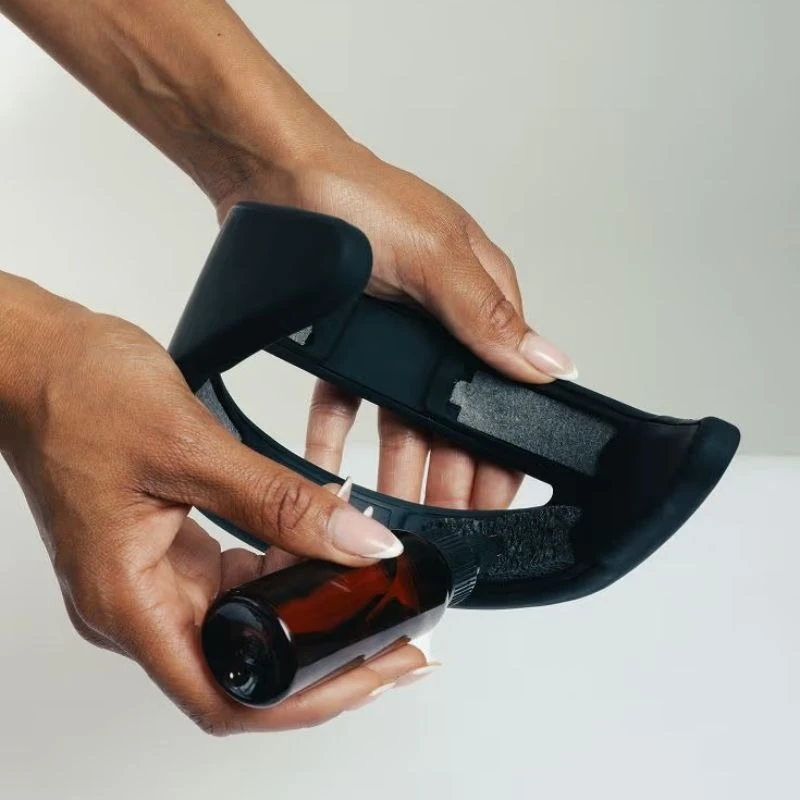
Some newer wearables go beyond the usual lower-belly pad model. Samphire’s Lutea is positioned as a brain-based wearable for hormonal wellbeing and drug-free menstrual support, showing that the period cramp machine category now includes more than one type of technology.
How to choose the right period cramp machine
When comparing one period cramp machine with another, keep your choice simple. Look at:
- Type of relief: abdominal electrical stimulation, wearable neurotechnology, or broader cycle support
- Ease of use: setup, controls, charging, and comfort
- Portability: whether you can wear it during daily tasks
- Support tools: app guidance, instructions, and customer support
- Safety information: clear use guidance and who should avoid it
A good period cramp machine should feel easy, not confusing. If you already know your pain pattern, choose a device that matches how and where you feel cramps most.
Frequently Asked Questions
What is a period cramp machine?
A period cramp machine is a wearable pain-relief device used to help manage menstrual cramps. It often refers to a TENS device, but it can also include newer wearables designed for broader cycle support.
Does a period cramp machine really work?
It can help many users, especially with primary dysmenorrhea. Research reviews suggest TENS may reduce menstrual pain, but relief varies by person.
Where do you place a period cramp machine?
For many TENS-style products, users place pads on the lower abdomen or lower back where cramps are strongest. Always follow the product’s own instructions.
Is a period cramp machine safe?
TENS is generally considered low risk for many users, but it is not right for everyone. You should follow the device guidance and check with a clinician if you have a medical condition, unusual symptoms, or severe pain.
Can a period cramp machine replace pain medicine?
For some people, it may reduce the need for medicine, but it is not a guaranteed replacement. Many people use it as one part of their period pain plan.
When should I see a doctor for period cramps?
See a doctor if pain suddenly gets worse, stops you from normal activity, does not improve with usual care, or comes with unusual bleeding or other concerning symptoms.
Conclusion
A period cramp machine can be a useful drug-free option for people who want more control over menstrual pain. The best choice depends on the kind of relief you want, how simple the device feels to use, and whether it fits your daily routine. Traditional TENS devices remain well-known for period pain support, while newer wearables like Lutea reflect a broader shift toward smarter, more flexible cycle-care tools. If your cramps are common but manageable, a period cramp machine may be worth exploring. If your pain is severe, changing, or disruptive every month, medical advice should come first.