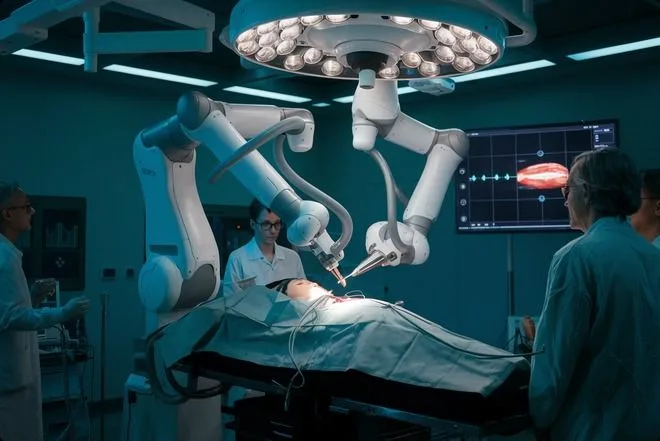
Knee pain is one of the most common orthopedic problems affecting people of all age groups, especially older adults. Conditions such as osteoarthritis, rheumatoid arthritis, sports injuries, and joint degeneration can severely impact mobility and quality of life. Everyday activities like walking, climbing stairs, sitting, or standing may become painful and difficult. When medications, physiotherapy, and lifestyle changes fail to provide relief, knee replacement surgery often becomes the most effective solution.
In recent years, orthopedic treatment has evolved significantly with the introduction of robotic-assisted surgical technology. Today, Robotic Knee Replacement Surgery in Ghaziabad is becoming a preferred treatment option for patients seeking highly accurate and advanced joint replacement procedures. Robotic technology allows surgeons to perform knee replacement surgery with greater precision, better implant alignment, and improved long-term outcomes.
This modern surgical approach combines advanced computer-guided systems with the expertise of orthopedic surgeons to provide safer, more personalized, and highly effective treatment for chronic knee pain and severe joint damage.
In this article, we will explore robotic-assisted knee replacement surgery, its procedure, benefits, recovery process, long-term outcomes, and why Ghaziabad is emerging as an important center for advanced orthopedic care.
Understanding Knee Joint Problems
The knee is one of the largest and most important joints in the human body. It supports body weight and enables movement during walking, running, climbing stairs, and physical activities. Over time, the protective cartilage cushioning the joint may wear away due to aging, injury, or arthritis.
Common causes of knee joint damage include:
- Osteoarthritis
- Rheumatoid arthritis
- Sports injuries
- Ligament tears
- Obesity-related joint stress
- Post-traumatic arthritis
- Age-related degeneration
As the cartilage deteriorates, bones begin rubbing against each other, causing pain, swelling, stiffness, and reduced mobility.
What Is Robotic Knee Replacement Surgery?
Robotic Knee Replacement Surgery in Ghaziabad is an advanced orthopedic procedure in which robotic technology assists surgeons during knee replacement surgery.
Contrary to common belief, the robot does not independently perform the operation. Instead, it acts as a highly precise guidance system controlled by the surgeon. The robotic platform helps create a personalized surgical plan based on the patient’s knee anatomy.
The procedure involves:
- Detailed preoperative imaging
- 3D surgical planning
- Robotic-assisted bone preparation
- Accurate implant placement
- Real-time alignment monitoring
This technology helps improve surgical accuracy and patient outcomes.
How Robotic Technology Improves Knee Replacement Surgery
Traditional knee replacement surgery has been highly successful for decades, but robotic-assisted procedures offer several additional advantages.
Personalized Surgical Planning
Before surgery, CT scans or imaging tests create a detailed 3D model of the patient’s knee joint. This allows surgeons to plan implant placement accurately according to the patient’s anatomy.
Precise Bone Preparation
Robotic systems help surgeons remove damaged bone and cartilage with exceptional accuracy while preserving healthy tissues.
Better Implant Positioning
Correct implant alignment is essential for long-term joint performance. Robotic guidance improves implant positioning and joint balance.
Real-Time Feedback
During surgery, robotic systems provide real-time data and monitoring to help surgeons make accurate adjustments.
Benefits of Robotic Knee Replacement Surgery
Patients increasingly prefer robotic-assisted procedures because of their advanced precision and improved recovery experience.
Enhanced Surgical Accuracy
One major advantage of Robotic Knee Replacement Surgery in Ghaziabad is improved surgical precision. Accurate implant positioning supports better knee function and mobility.
Reduced Tissue Damage
Robotic-assisted procedures help minimize unnecessary damage to surrounding muscles and ligaments.
Faster Recovery and Rehabilitation
Because of reduced tissue trauma, many patients experience faster recovery and begin rehabilitation sooner.
Reduced Pain and Swelling
Minimally invasive techniques often result in lower postoperative pain and inflammation.
Better Long-Term Results
Improved implant alignment may increase implant durability and reduce wear over time.
Procedure of Robotic Knee Replacement Surgery
Understanding the procedure helps patients feel more prepared before treatment.
Initial Consultation
The orthopedic surgeon evaluates:
- Knee pain severity
- Mobility limitations
- Imaging reports
- Previous treatments
- Overall health condition
If conservative treatment methods fail, surgery may be recommended.
Preoperative Imaging and Planning
Before Robotic Knee Replacement Surgery in Ghaziabad, advanced imaging scans create a 3D model of the knee.
This allows surgeons to:
- Determine implant size
- Plan accurate alignment
- Customize the surgical approach
- Improve precision
Surgical Procedure
During surgery:
- Damaged cartilage and bone are removed
- Robotic guidance assists precise bone preparation
- Artificial implants are positioned accurately
- Joint balance and alignment are checked
The robotic system helps maintain exceptional surgical precision throughout the operation.
Final Assessment
Before completing the procedure, the surgeon confirms proper implant positioning and joint stability.
Recovery After Robotic Knee Replacement Surgery
Recovery is an essential part of successful treatment.
Immediate Recovery Phase
Patients are monitored after surgery and receive medications for pain management.
Early Mobility
Walking with assistance usually begins within 24 hours after surgery.
Physiotherapy
Rehabilitation programs focus on:
- Improving flexibility
- Restoring strength
- Enhancing mobility
- Building joint stability
Consistent physiotherapy is important for successful recovery.
Knee Replacement Recovery Time for Elderly Patients
One common concern among families is the Knee Replacement Recovery Time for Elderly Patients. Recovery speed depends on several factors such as overall health, bone strength, physical activity levels, and rehabilitation efforts.
Most elderly patients gradually regain mobility within a few weeks to months after surgery. Robotic-assisted procedures may support faster rehabilitation due to:
- Reduced tissue trauma
- Better implant alignment
- Less postoperative pain
- Improved joint stability
Regular physiotherapy and proper medical supervision are essential for elderly patients during recovery.
Advantages and Disadvantages of Robotic Knee Replacement
Understanding the advantages and disadvantages of robotic knee replacement can help patients make informed decisions.
Advantages
- Improved surgical precision
- Better implant positioning
- Reduced tissue damage
- Faster recovery
- Less pain and swelling
- Better long-term mobility
Disadvantages
- Higher treatment cost compared to traditional surgery
- Limited availability in some regions
- Requires experienced robotic surgeons
- Slightly longer surgical planning process
Despite some limitations, robotic-assisted procedures are considered highly effective for many patients.
Robotic Knee Replacement Surgery Cost in India
Patients often research the robotic knee replacement surgery cost in india before planning treatment.
The cost depends on several factors such as:
- Hospital infrastructure
- Surgeon expertise
- Type of implant used
- Robotic technology
- Room category
- Rehabilitation services
Compared to many international healthcare destinations, India offers advanced robotic orthopedic treatment at relatively affordable costs.
Robotic Knee Replacement in Delhi NCR
The demand for robotic knee replacement in Delhi NCR has increased significantly due to advancements in orthopedic technology and the availability of experienced specialists.
Patients from nearby cities often choose Ghaziabad because of:
- Advanced robotic systems
- Modern hospital facilities
- Skilled orthopedic surgeons
- Affordable treatment options
- Easy accessibility
This has made the region an important center for robotic-assisted orthopedic care.
Best Robotic Knee Replacement in India
India has become a preferred destination for advanced orthopedic treatment, including the best robotic knee replacement in india.
Factors contributing to India’s growing reputation include:
- Experienced orthopedic surgeons
- Modern robotic technology
- High-quality healthcare facilities
- Affordable treatment costs
- Comprehensive rehabilitation programs
Patients from across India and abroad visit major orthopedic centers for advanced robotic-assisted knee replacement procedures.
Who Is an Ideal Candidate?
Robotic-assisted knee replacement may benefit:
- Patients with severe arthritis
- Individuals with chronic knee pain
- Patients with reduced mobility
- Elderly patients with joint degeneration
- Active individuals seeking better precision
An orthopedic specialist will determine suitability after proper evaluation.
Why Ghaziabad Is Emerging as an Orthopedic Hub
Ghaziabad is rapidly developing into an important destination for advanced orthopedic care.
Benefits of choosing Robotic Knee Replacement Surgery in Ghaziabad include:
- Access to modern robotic technology
- Experienced orthopedic specialists
- Affordable treatment packages
- Advanced rehabilitation facilities
- Easy accessibility from Delhi NCR
Patients can receive high-quality treatment while benefiting from advanced surgical precision.
Tips for Maintaining Knee Health After Surgery
Stay Physically Active
Regular low-impact exercise improves mobility and joint strength.
Maintain Healthy Weight
Reducing excess body weight lowers stress on the knee joint.
Continue Physiotherapy
Ongoing rehabilitation helps maintain flexibility and stability.
Eat Nutritious Foods
Balanced nutrition supports bone and muscle recovery.
Attend Regular Follow-Up Visits
Routine checkups help monitor implant performance and recovery progress.
Conclusion
Knee pain and joint degeneration can greatly affect mobility and overall quality of life. Fortunately, modern advancements in orthopedic care have introduced safer and more precise treatment options. Robotic Knee Replacement Surgery in Ghaziabad offers advanced technology for accurate implant positioning, reduced pain, faster recovery, and improved long-term outcomes.
With benefits such as enhanced surgical precision, personalized treatment planning, and better mobility results, robotic-assisted procedures are becoming the preferred choice for many patients suffering from severe knee arthritis and chronic joint pain.
Understanding the procedure, recovery process, robotic knee replacement surgery cost in india, and the advantages and disadvantages of robotic knee replacement can help patients make informed healthcare decisions. Consulting an experienced orthopedic specialist is the best step toward achieving pain relief, restoring mobility, and improving overall quality of life.