The idea that a snack can be both nutritious and genuinely enjoyable is no longer a stretch. Raw protein chocolate sits at the point where clean ingredient sourcing meets flavor that people actually want to eat. It is a category that has grown steadily as more consumers move away from heavily processed snack foods and toward options built around whole food ingredients.
This article explains what raw protein chocolate is, how it is made, what nutritional value it offers, and what to look for when selecting products or making snacks at home.
What Is Raw Protein Chocolate?
Raw chocolate refers to products made from cacao that have not been subjected to high-temperature roasting. Conventional chocolate manufacturing involves roasting cacao beans at temperatures that can reach above 250 degrees Fahrenheit. At those temperatures, some of the naturally occurring compounds in cacao are reduced or altered.
Raw cacao is processed at much lower temperatures, typically below 115 degrees Fahrenheit. This approach is intended to preserve the flavanols, magnesium, iron, and other nutrients that occur naturally in cacao. The flavor profile of raw cacao is more bitter and complex than that of roasted chocolate, which reflects the minimal processing involved.
When protein is added to raw cacao products, the result is raw protein chocolate. This can take the form of snack bars, energy balls, raw brownie bites, protein powders mixed with raw cacao, or chocolate-coated nuts and seeds. The protein component typically comes from plant-based sources such as pea protein, hemp protein, or sprouted brown rice protein, all of which align with the clean ingredient philosophy common in raw food products.
Why the Protein Content Matters
Protein is the macronutrient that contributes most directly to satiety. A snack that contains meaningful protein helps a person stay full longer, which reduces the likelihood of eating again within a short period. For people who snack between meals, after exercise, or during a long workday, this function is practical.
Most nutrition guidelines suggest that adults require between 0.8 and 1.0 grams of protein per kilogram of body weight per day. That total needs to be spread across meals and snacks to support consistent muscle maintenance and energy regulation. A snack that contributes 8 to 15 grams of protein per serving helps meet that daily target without requiring a full meal.
Raw protein chocolate, when well formulated, delivers that protein without relying on refined sugars or artificial additives to make the product palatable. The natural bitterness of raw cacao pairs well with ingredients like almond butter, dates, coconut, and vanilla, which provide sweetness and texture without processed sugar in large amounts.
Key Ingredients in Quality Raw Protein Chocolate
Understanding the ingredient profile of any raw chocolate snack helps consumers make better decisions. The following components appear most often in well-made products.
Raw Cacao Powder and Cacao Nibs
Raw cacao powder is made by cold pressing raw cacao beans and then grinding the remaining solids into powder. It retains a higher concentration of flavanols than Dutch-processed cocoa, which undergoes alkalizing treatment that reduces acidity and alters the nutrient content.
Cacao nibs are simply crushed raw cacao beans. They add texture and an intense chocolate flavor without any added sugar. Both forms are common in raw protein chocolate bars and homemade snack preparations.
Plant-Based Protein Sources
The protein in raw chocolate snacks most often comes from one or more of the following:
Pea protein is derived from yellow split peas. It provides a good amino acid profile and digests well for most people. It is one of the more neutral-tasting plant proteins, which makes it a practical addition to chocolate products where the flavor of the protein should not compete with the cacao.
Hemp protein comes from ground hemp seeds. It provides both protein and omega-3 fatty acids, along with a mild, earthy flavor that works well in raw food products. Hemp protein is not as concentrated as pea protein, typically offering around 10 to 15 grams per serving, depending on the product.
Sprouted brown rice protein is made from brown rice that has been allowed to sprout before being processed into protein powder. Sprouting improves the bioavailability of nutrients and reduces the presence of phytic acid, which can otherwise interfere with mineral absorption.
Natural Sweeteners
Raw protein chocolate products that keep sugar low typically use one of a small number of natural sweeteners.
Dates are a whole-food sweetener that also provides fiber and trace minerals. Medjool dates are commonly used in raw snack bars because their soft texture binds ingredients together while adding natural sweetness. The sugar in dates is accompanied by fiber, which slows its absorption compared to refined sugar.
Raw honey is used in some non-vegan formulations. It contains trace enzymes and antioxidants not present in refined sugar, though it still contributes to total sugar intake and should be used in moderation.
Coconut sugar has a lower glycemic index than white sugar and retains some minerals from the coconut palm sap. It is less sweet than refined sugar and adds a mild caramel flavor that complements cacao.
Healthy Fats
Raw protein chocolate snacks frequently incorporate nuts, seeds, or coconut products, all of which contribute healthy fats. These fats play a role in nutrient absorption and add to the satiety effect alongside protein. Almond butter, cashew butter, coconut oil, and tahini are among the most common fat sources used.
What Rawmantic Protein Bars Represent in This Category
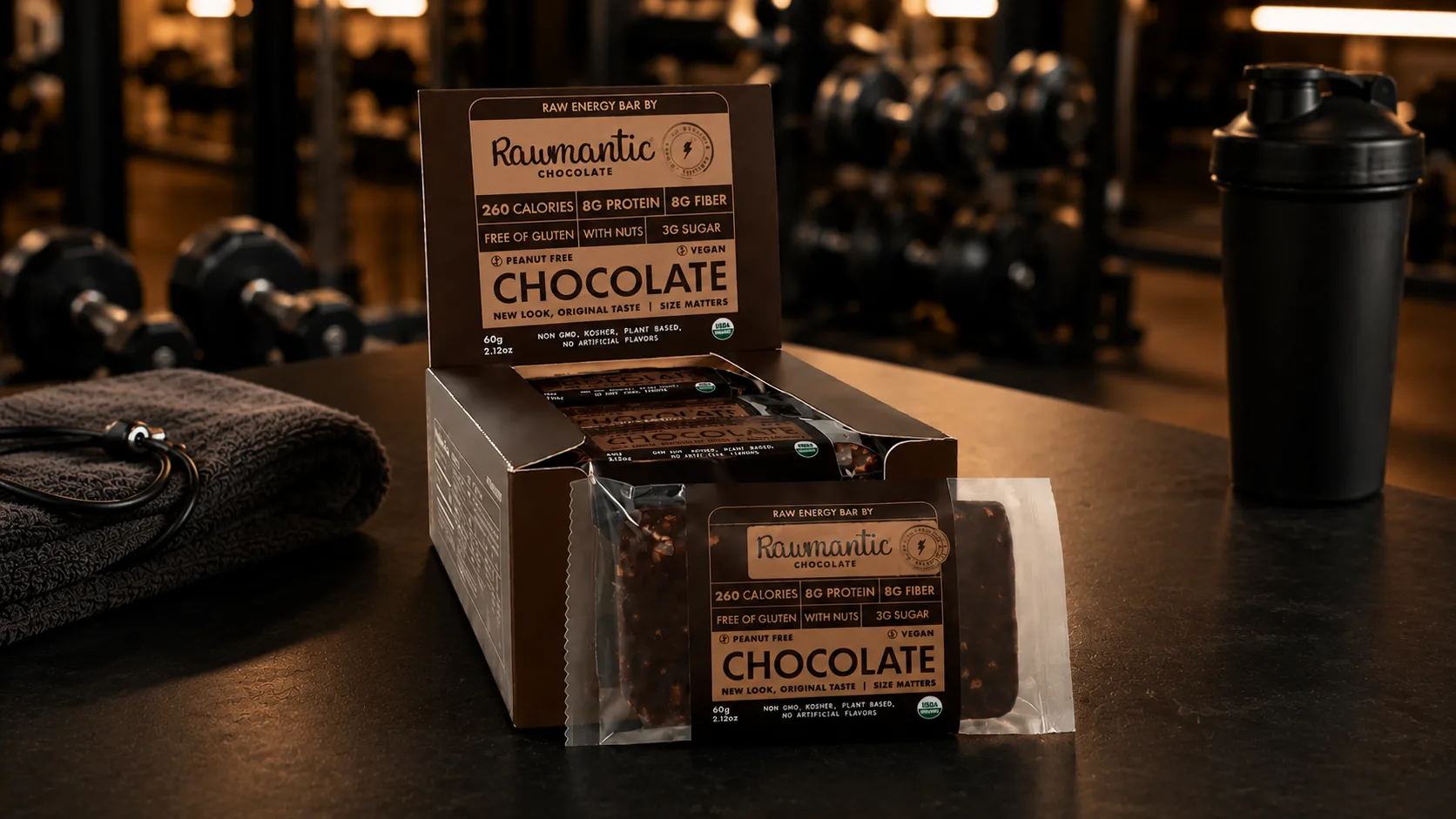
Within the space of raw protein chocolate, Rawmantic® Chocolate produces a range of products that reflect the clean ingredients and low processing standards described above. The brand uses organic cacao, plant-based proteins, and natural sweeteners, and it avoids refined sugars and synthetic additives. Rawmantic protein bars are formulated to deliver meaningful protein content while maintaining a flavor profile that does not require artificial enhancers to taste good. For consumers who want a product that aligns with both nutritional goals and clean sourcing standards, Rawmantic® Chocolate represents one of the more straightforward examples of what this snack category can deliver.
How to Make Raw Protein Chocolate Snacks at Home
For those who prefer complete control over ingredients, raw protein chocolate snacks are straightforward to prepare without specialized equipment.
Basic Raw Protein Chocolate Bar
A simple raw bar can be made by combining raw cacao powder, a plant-based protein powder, almond butter, and dates in a food processor. The mixture is pressed into a lined baking pan and refrigerated until firm. The result is a dense, chocolatey bar with a naturally sweet flavor from the dates and a protein content that depends on the specific protein powder used.
Cacao Nib Energy Balls
Energy balls made from oats, pea protein, raw cacao nibs, almond butter, and coconut sugar are another common format. These require no cooking and can be stored in the refrigerator for up to a week. Each ball, depending on size, typically provides 5 to 8 grams of protein and less than 5 grams of sugar.
Raw Chocolate Covered Almonds
Coating raw almonds in a mixture of melted cacao butter, raw cacao powder, and a small amount of maple syrup produces a simple snack with a good ratio of protein to sugar. Almonds provide roughly 6 grams of protein per ounce, and the raw cacao coating adds flavor without the sugar content of commercial chocolate.
How Raw Protein Chocolate Compares to Conventional Chocolate Snacks
The differences between raw protein chocolate and standard chocolate snack products are measurable across several areas.
Sugar content: A conventional milk chocolate bar typically contains 20 to 30 grams of sugar per serving. A well-formulated raw protein chocolate snack keeps added sugar below 6 grams per serving by relying on whole food sweeteners or sugar alcohols.
Protein content: Most standard chocolate snack products contain little to no meaningful protein. Raw protein chocolate products are specifically formulated to provide 8 to 15 grams per serving, which places them in a different nutritional category.
Processing level: Conventional chocolate is roasted, conched, and combined with dairy, refined sugar, and emulsifiers. Raw chocolate products are processed at lower temperatures and use fewer ingredients, which reduces the degree of alteration to the original cacao compounds.
Ingredient list length: A conventional chocolate bar may contain 10 to 20 ingredients, many of which are preservatives or flavor enhancers. A quality raw protein chocolate bar typically contains 6 to 10 recognizable whole food ingredients.
What to Check Before Buying
Not every product labeled "raw" or "protein" delivers on both claims equally. A few specific checks help separate well-made products from those that rely on label appeal.
Verify the protein source. The type of protein used affects both nutritional quality and digestibility. A product using a single plant protein may have a less complete amino acid profile than one using a blend. Check whether the protein is listed as one of the top three ingredients.
Check the sugar total. Some products use dates or other whole food sweeteners in large amounts, which raises the total sugar content even without refined sugar. Total sugar above 10 grams per serving warrants a closer look at the ingredient quantities.
Look for cacao percentage or sourcing details. Products that specify the cacao percentage or describe the sourcing as raw or minimally processed give more information than those that simply say "contains dark chocolate."
Review the fat source. Fats from nuts, seeds, and coconut are associated with better nutritional outcomes than fats from palm oil or partially hydrogenated oils. The type of fat listed matters as much as the amount.
Summary
Raw protein chocolate snacks offer a nutritionally practical alternative to conventional chocolate products. The combination of minimally processed cacao, plant-based protein, and natural sweeteners produces snacks that deliver real satiety value without relying on refined sugar or artificial ingredients to make them appealing.
Whether purchased from a brand like Rawmantic® Chocolate that operates with clean sourcing standards or prepared at home with a short list of whole food ingredients, raw protein chocolate meets the criteria most people associate with a snack that is both good for the body and genuinely worth eating.
Reading labels carefully, understanding what the raw designation actually means, and knowing which protein sources align with personal dietary needs are the three most useful habits for anyone navigating this category.